
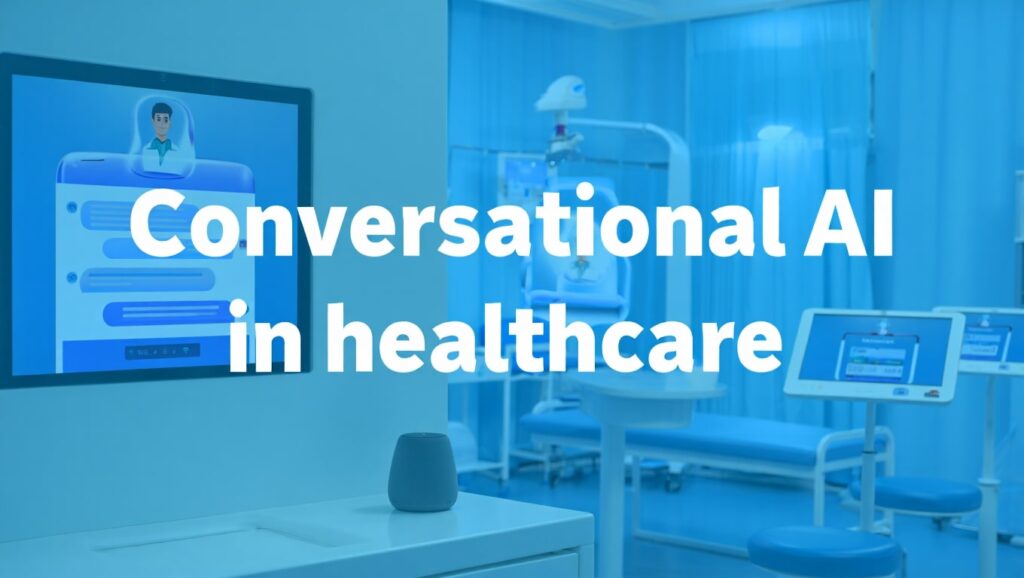
Conversational AI in healthcare is no longer a futuristic concept but a present-day reality. The healthcare landscape is undergoing a profound transformation, driven by technological advancements aimed at improving patient care, streamlining operations, and enhancing accessibility.
Among these innovations, conversational AI stands out as a powerful tool, redefining how patients interact with healthcare providers and how institutions manage complex administrative and clinical processes. It promises a future where healthcare is more responsive, personalized, and efficient.
From automating routine inquiries to providing personalized health insights, this technology is poised to address some of the most pressing challenges facing the industry, including staffing shortages, patient engagement gaps, and the ever-increasing demand for accessible information.
Understanding its capabilities and implications is crucial for any healthcare organization looking to stay competitive and patient-centric.
What is Conversational AI in Healthcare?
Conversational AI in healthcare refers to the application of artificial intelligence technologies that enable natural, human-like conversations between computers and people within a medical context.
This encompasses various forms, including chatbots, virtual assistants, and voice assistants, all designed to understand, process, and respond to human language. Their primary goal is to simulate intelligent conversation, providing information, assistance, or support.
At its core, conversational AI leverages natural language processing (NLP), machine learning (ML), and deep learning to interpret user input, determine intent, and generate relevant responses.
In healthcare, this means an AI system can understand a patient’s question about medication, a symptom description, or a request to schedule an appointment. It transforms complex medical interactions into accessible digital dialogues.

How Does Conversational AI Work in Healthcare?
The functionality of conversational AI in healthcare hinges on a sophisticated interplay of several AI components. When a patient or staff member interacts with a conversational AI system, the process begins with natural language processing (NLP), which parses the human input. NLP breaks down sentences, identifies keywords, and understands the grammatical structure.
Following NLP, natural language understanding (NLU) interprets the intent and meaning behind the user’s words. For example, if a patient types “I need to see a doctor for my cough,” NLU identifies the intent as “appointment scheduling” and the symptom as “cough.” The system then uses machine learning algorithms, trained on vast datasets of medical text and conversations, to formulate an appropriate response.
Natural language generation (NLG) then crafts this response in a coherent and human-like manner, which might involve offering available appointment slots or providing general advice.
Key point: This iterative process of understanding, processing, and generating responses allows conversational AI to engage in dynamic and context-aware dialogues. These systems can also integrate with electronic health records (EHRs) and other hospital management systems, pulling and pushing relevant patient data to personalize interactions and perform specific actions, such as updating a patient’s chart or confirming an appointment.
Top Use Cases of Conversational AI in Healthcare
Conversational AI is rapidly finding diverse applications across the healthcare spectrum, addressing bottlenecks and enhancing various touchpoints. These applications span from administrative efficiencies to direct patient support, demonstrating the technology’s versatility. By automating repetitive tasks and providing instant access to information, AI helps both patients and providers.
Here are some of the top use cases where conversational AI is making a significant impact:
- Patient Triage and Symptom Checking: AI-powered chatbots can ask patients a series of questions about their symptoms, helping to determine the severity and suggest appropriate next steps, such as self-care, scheduling a virtual consultation, or seeking emergency care. This reduces unnecessary urgent care visits.
- Appointment Scheduling and Management: Virtual assistants can handle the complexities of booking, rescheduling, and canceling appointments, sending reminders, and even guiding patients on pre-appointment preparations. This frees up administrative staff and reduces no-show rates.
- Medication Reminders and Adherence: Conversational AI can send personalized reminders for medication intake, refill prescriptions, and provide information about drug interactions or side effects. This significantly improves patient adherence to treatment plans.
- Patient Onboarding and FAQs: New patients often have many questions about insurance, clinic policies, and facility navigation. AI assistants can provide instant answers to frequently asked questions, improving the onboarding experience.
- Mental Health Support and Wellness Coaching: While not replacing human therapists, AI chatbots can offer initial mental health screening, provide coping strategies, mindfulness exercises, and connect users to professional help. They offer an accessible first line of support.
- Post-Discharge Follow-up: AI can check in with patients after discharge, monitoring recovery progress, answering post-operative questions, and ensuring compliance with follow-up instructions. This reduces readmissions and improves patient outcomes.
- Administrative Support for Staff: Beyond patient interactions, conversational AI can assist healthcare professionals with accessing information from EHRs, documenting notes, retrieving clinical guidelines, and managing internal queries, boosting operational efficiency.
Real-World Examples of Conversational AI in Healthcare
The theoretical potential of conversational AI is already translating into tangible benefits through various real-world applications. These examples highlight how different organizations are leveraging this technology to enhance patient engagement, improve access, and optimize internal workflows. They serve as blueprints for future implementations.
One prominent example involves large hospital systems deploying AI-powered virtual assistants on their websites and patient portals. These assistants can guide patients through the appointment booking process, answer common questions about services, visiting hours, or insurance coverage. This significantly reduces the call volume to administrative departments, allowing staff to focus on more complex tasks.
Another compelling use case is in chronic disease management. Companies are developing conversational AI tools that provide personalized coaching and support for patients with conditions like diabetes or hypertension. These AI coaches can track progress, offer dietary advice, remind patients to check their blood sugar, and provide motivational messages, acting as a constant support system between clinical visits. For example, some AI systems offer tailored advice on managing blood glucose levels based on a patient’s diet and activity patterns.
Furthermore, pharmaceutical companies are exploring conversational AI to assist patients with medication adherence and information. These AI systems can provide detailed information about prescription drugs, potential side effects, and correct usage instructions. They also act as interactive FAQs, reducing the burden on pharmacists and improving patient understanding of their treatment plans. These examples underscore the diverse utility and growing adoption of conversational AI across the healthcare ecosystem.
Benefits of Implementing Conversational AI in Healthcare
The adoption of conversational AI in healthcare brings forth a multitude of advantages that can significantly uplift various facets of the industry. These benefits extend from operational efficiencies to direct improvements in patient care and accessibility. For healthcare organizations, these advantages translate into better outcomes and a stronger competitive position.
Here’s a breakdown of the key benefits:
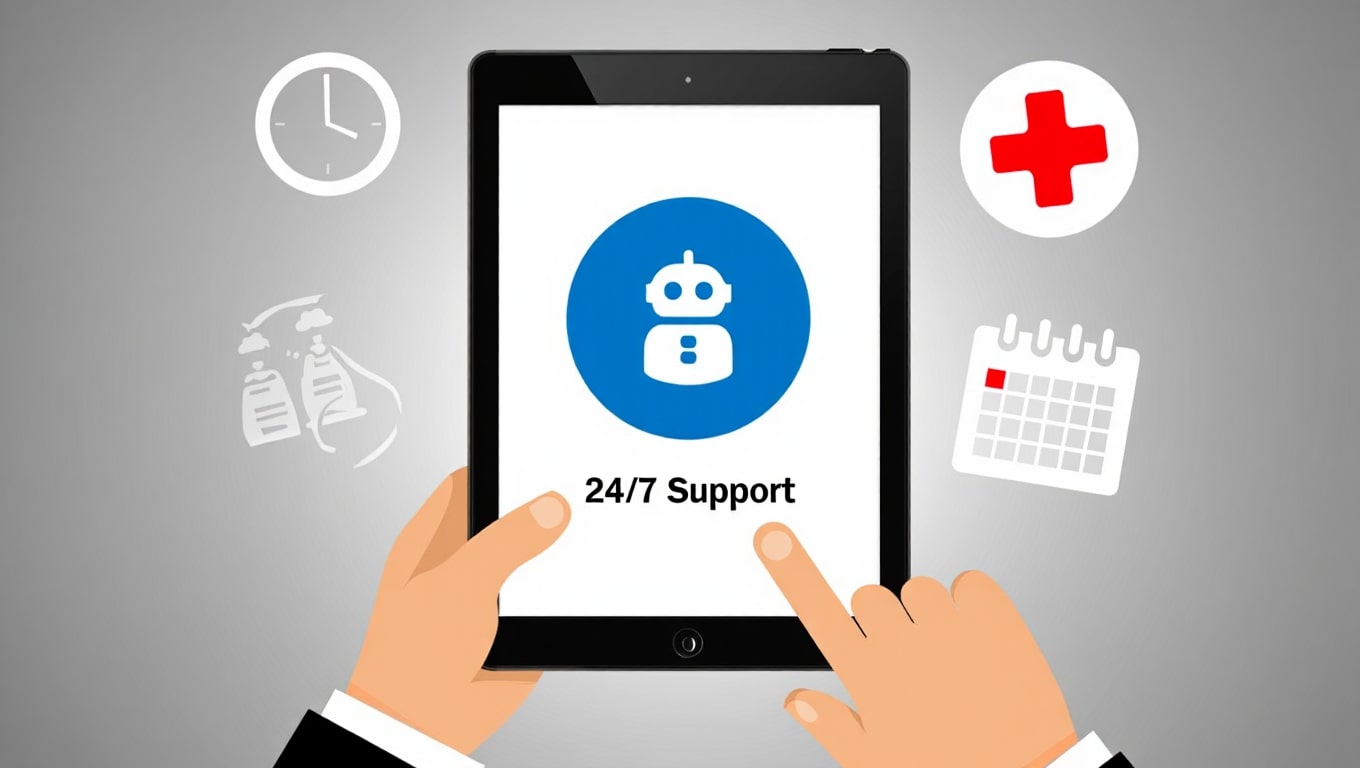
- Enhanced Accessibility and 24/7 Support: Conversational AI provides round-the-clock availability, allowing patients to access information, schedule appointments, or get answers to urgent (non-emergency) questions anytime, anywhere. This removes geographical and time barriers to care.
- Improved Operational Efficiency: By automating routine inquiries, administrative tasks, and pre-screening processes, AI frees up human staff to focus on more complex, high-value tasks. This reduces workload, minimizes wait times, and optimizes resource allocation.
- Cost Reduction: Streamlined operations, reduced administrative overhead, and fewer unnecessary visits contribute to significant cost savings for healthcare providers. AI can also reduce the financial burden on patients by offering efficient initial assessments.
- Personalized Patient Engagement: Conversational AI can deliver tailored information, reminders, and support based on a patient’s specific health profile, medical history, and preferences. This personalization fosters a stronger sense of engagement and ownership in their health journey.
- Reduced Staff Burnout: By offloading repetitive and high-volume tasks, conversational AI helps alleviate the administrative burden on doctors, nurses, and support staff. This allows them to dedicate more time to direct patient care and reduces the likelihood of burnout.
- Data Collection and Insights: Every interaction with conversational AI generates valuable data. Analyzing these conversations can provide insights into patient needs, common queries, service gaps, and trends, enabling organizations to make data-driven decisions and continuously improve their services.
- Faster Response Times: Patients often face long wait times for answers to simple questions. AI offers immediate responses, improving patient satisfaction and reducing anxiety. This is especially critical for time-sensitive information.

Impact of Conversational AI on Patient Experience and Care
The integration of conversational AI is fundamentally reshaping the patient experience, moving towards a more proactive, personalized, and convenient model of care. This shift addresses long-standing patient frustrations, such as long wait times, difficulty accessing information, and feelings of being unheard. AI is empowering patients and streamlining their healthcare journey.
One significant impact is the dramatic improvement in accessibility. Patients can now interact with healthcare systems on their own terms, at any time, from any location. This 24/7 availability for booking appointments, querying symptoms, or getting medication reminders greatly reduces barriers to care. It transforms healthcare from a reactive service into a readily available resource.
Furthermore, conversational AI enhances personalization. By leveraging patient data (with appropriate consent and security), AI can provide tailored advice, resources, and support. This could mean reminding a specific patient about their unique dietary restrictions or offering relevant educational materials based on their chronic condition. Such personalized interactions foster a stronger sense of trust and engagement, leading to better adherence to treatment plans and improved health outcomes. Patients feel more informed and involved in their own health management.
Key point: The technology also empowers patients by providing immediate access to information, reducing anxiety and uncertainty. Symptom checkers can offer preliminary guidance, while virtual assistants can clarify complex medical terms or explain test results in understandable language. This proactive approach to information dissemination helps patients make more informed decisions about their health. Ultimately, conversational AI cultivates a patient experience that is more efficient, supportive, and centered around individual needs.
Pros and Cons of Conversational AI in Healthcare
Like any transformative technology, conversational AI in healthcare presents a mixed bag of advantages and disadvantages. A balanced perspective is crucial for healthcare organizations considering its adoption. Understanding both the upsides and the challenges allows for strategic planning and mitigation of potential risks.
| Pros of Conversational AI in Healthcare | Cons of Conversational AI in Healthcare |
|---|---|
| 24/7 Accessibility: Patients can access information and services around the clock, improving convenience and reducing wait times. | Accuracy and Reliability Concerns: Misinterpretations or incorrect information from AI could lead to misdiagnosis or inappropriate advice, with serious consequences. |
| Increased Efficiency: Automates routine tasks, freeing up human staff for more critical and complex patient care. | Lack of Empathy and Human Touch: AI cannot replicate genuine human empathy, which is crucial for sensitive healthcare interactions and building patient trust. |
| Cost Reduction: Reduces operational costs associated with administrative staffing, call centers, and managing patient inquiries. | Data Privacy and Security Risks: Handling sensitive patient health information (PHI) raises significant concerns about breaches, unauthorized access, and compliance with regulations like HIPAA. |
| Personalized Patient Support: Delivers tailored information, reminders, and guidance based on individual patient data and needs. | Integration Complexities: Integrating new AI systems with legacy EHRs and other existing healthcare IT infrastructure can be challenging and costly. |
| Valuable Data Insights: Collects and analyzes interaction data to identify trends, improve services, and inform strategic decisions. | Ethical Concerns and Bias: AI models trained on biased data could perpetuate or amplify existing health disparities, leading to inequitable care. |
| Reduced Staff Burnout: Alleviates the burden of repetitive tasks on healthcare professionals, allowing them to focus on direct patient care. | High Initial Implementation Costs: Developing, deploying, and maintaining sophisticated AI systems requires substantial investment in technology and expertise. |
While the potential for conversational AI to revolutionize healthcare is immense, careful consideration of these drawbacks is essential. Strategies must be in place to mitigate risks related to accuracy, privacy, and the critical need for human oversight and empathy in clinical settings.
Challenges in Adopting Conversational AI for Healthcare
Despite its promising benefits, the path to widespread adoption of conversational AI in healthcare is fraught with significant challenges. These hurdles range from technical complexities to ethical dilemmas, requiring careful navigation by healthcare organizations. Addressing these challenges proactively is key to successful implementation.
One of the primary challenges is data security and privacy. Healthcare deals with highly sensitive patient health information (PHI), making compliance with regulations like HIPAA (Health Insurance Portability and Accountability Act) non-negotiable. Ensuring that AI systems securely handle, store, and process this data, preventing breaches and unauthorized access, is paramount. Robust encryption, access controls, and anonymization techniques are critical.
Another major obstacle is integration with legacy systems. Many healthcare organizations operate on outdated electronic health record (EHR) systems that were not designed for seamless integration with modern AI platforms. Achieving interoperability, where AI can effectively communicate with and extract/input data into existing systems, is often a complex and expensive endeavor. This requires significant IT infrastructure upgrades and careful data mapping.
Accuracy and reliability are also persistent concerns. While AI is becoming increasingly sophisticated, it is not infallible. In a clinical context, a misinterpretation by an AI system, however rare, could have severe consequences. Ensuring the AI’s responses are clinically accurate and providing mechanisms for human oversight and intervention are vital. Furthermore, the inherent lack of human empathy in AI can be a barrier for patient acceptance, especially in sensitive conversations. Developing AI that can convey appropriate tones and understanding without being truly empathetic is a design challenge.
Finally, ethical considerations and bias in AI algorithms pose a substantial challenge. If the data used to train conversational AI systems reflects historical biases (e.g., disproportionate representation of certain demographics), the AI might perpetuate or even amplify these biases in its responses or recommendations, leading to inequitable care. Continuous monitoring, diverse training data, and fairness audits are necessary to mitigate these risks.
Safety and Regulatory Considerations for AI in Healthcare
The implementation of conversational AI in healthcare must adhere to stringent safety and regulatory frameworks to protect patients and ensure ethical practices. Unlike many other sectors, healthcare AI operates under intense scrutiny due to the critical nature of patient data and the potential for impact on human lives. Navigating this landscape requires careful attention to compliance.
At the forefront is the protection of Patient Health Information (PHI). In the United States, this is governed by the Health Insurance Portability and Accountability Act (HIPAA), which mandates strict rules for the privacy and security of health data. AI systems must be designed and implemented with HIPAA compliance in mind, including robust encryption, access controls, audit trails, and data anonymization techniques. Similarly, in Europe, the General Data Protection Regulation (GDPR) imposes strict data privacy and security requirements.
Beyond data privacy, the accuracy and clinical safety of AI applications are paramount. Regulatory bodies like the U.S. Food and Drug Administration (FDA) have begun to provide guidance and frameworks for artificial intelligence and machine learning (AI/ML)-based medical devices. If a conversational AI is used for diagnosis, treatment recommendations, or even sophisticated symptom assessment, it may be classified as a medical device and require regulatory clearance. This involves demonstrating clinical validation, performance, and risk management.
Ethical AI principles are also critical. This includes transparency in how AI makes decisions, accountability for its outcomes, and fairness in its application to diverse patient populations. Healthcare organizations must ensure that their AI systems are free from biases that could lead to discriminatory care. Consent mechanisms, especially for data usage and AI interaction, must be clear and explicit. Furthermore, there must always be a mechanism for human oversight and intervention, particularly when AI is providing medical advice or recommendations, emphasizing that AI is a tool to support, not replace, human clinicians.

Best Practices for Implementing Conversational AI in Healthcare
Successful integration of Conversational AI into Healthcare environments requires a strategic and methodical approach. Simply deploying a chatbot is insufficient; organizations must adhere to best practices to maximize benefits and mitigate risks. These practices ensure the AI serves its intended purpose effectively and ethically.
Here are key best practices for implementation:
- Define Clear Objectives: Before deployment, clearly identify the specific problems conversational AI will solve. Is it to reduce call center volume, improve appointment scheduling, or enhance patient education? Well-defined goals guide the entire development and implementation process.
- Start Small and Scale: Begin with a pilot project in a specific area, like automating FAQ responses or appointment booking for a particular department. This allows for testing, learning, and refining the AI before a broader rollout, minimizing risks and proving value.
- Prioritize Data Security and Privacy: Implement robust security measures from day one. Ensure all AI systems comply with HIPAA, GDPR, and other relevant data protection regulations. Encrypt data, control access, and conduct regular security audits.
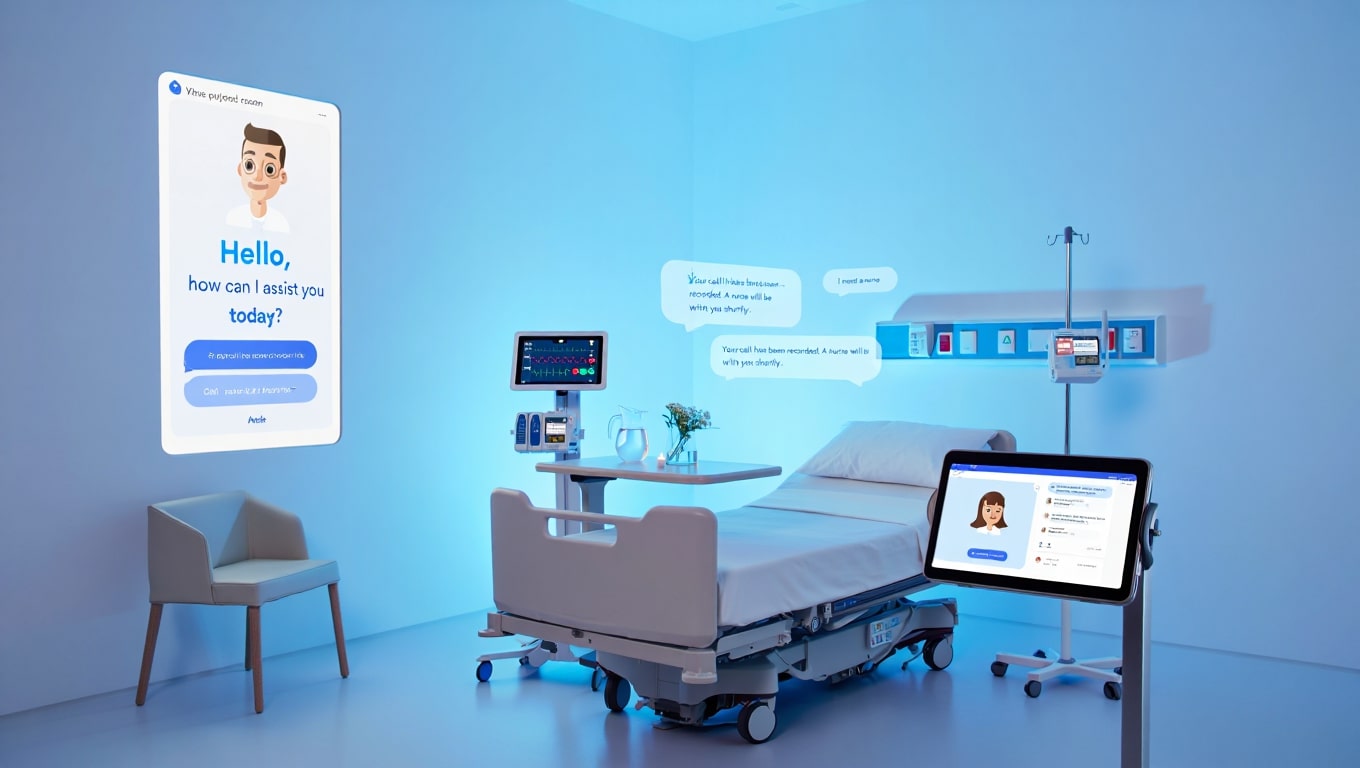
- Ensure Human Oversight and Handoffs: Design the AI to recognize its limitations. Establish clear protocols for when and how the AI should hand off complex or sensitive queries to a human agent. This ensures critical situations receive appropriate human attention.
- Train with Diverse and Relevant Data: Use high-quality, diverse, and unbiased healthcare-specific data to train the AI model. Continuously monitor and update training data to improve accuracy and reduce bias, ensuring the AI performs well across varied patient demographics.
- User-Centric Design: Develop the AI with the end-user (patients, staff) in mind. The interface should be intuitive, and the language clear and easy to understand. Conduct user testing to gather feedback and make necessary adjustments for optimal usability.
- Transparency and Expectations: Be transparent with users that they are interacting with an AI. Clearly communicate the AI’s capabilities and limitations to manage expectations. Avoid making the AI seem more capable or “human” than it is.
- Continuous Monitoring and Iteration: AI models are not “set and forget.” Continuously monitor their performance, gather user feedback, and iterate on the AI’s capabilities, knowledge base, and conversational flows. This ensures ongoing improvement and relevance.
Integrating Conversational AI with Existing Healthcare Systems
Effective integration is a cornerstone of successful conversational AI deployment in healthcare. For AI to truly enhance operations and patient care, it cannot operate in a silo. It must seamlessly connect with existing IT infrastructure, particularly electronic health records (EHRs), patient portals, and hospital management systems. This connectivity allows for personalized interactions and actionable insights.
The primary method for integration often involves Application Programming Interfaces (APIs). APIs act as bridges, allowing different software applications to communicate and exchange data securely. For conversational AI, this means using APIs to pull patient demographics, appointment history, medication lists, or laboratory results from an EHR system. Conversely, the AI can use APIs to update a patient’s chart with a new appointment booking or a symptom log from a patient interaction.
Interoperability standards play a crucial role in facilitating this data exchange. Standards like Fast Healthcare Interoperability Resources (FHIR), Health Level Seven (HL7), and DICOM (for imaging data) provide common frameworks for healthcare information. Adopting these standards ensures that data can flow accurately and consistently between the AI platform and legacy systems, reducing the complexity of custom integrations and fostering a more connected healthcare ecosystem.
Data mapping and transformation are also critical steps. Existing healthcare systems often store data in various formats. Integrating AI requires careful mapping of data fields between systems and, sometimes, transformation of data to ensure compatibility. This process ensures that the AI can correctly interpret incoming data and format outgoing data appropriately. A phased integration approach, starting with non-critical data points and gradually expanding, can help manage complexities and ensure smooth transitions. Strong data governance policies are essential throughout this process.

The Future of Conversational AI in Healthcare
The trajectory of conversational AI in healthcare points towards an even more integral and sophisticated role in the coming years. As the technology matures and regulatory frameworks evolve, we can expect to see advancements that push the boundaries of current applications. The future promises a healthcare experience that is increasingly proactive, predictive, and deeply personalized.
One significant area of growth will be in predictive and proactive health management. Future conversational AI could analyze continuous data from wearables and patient inputs to identify potential health risks before they become critical. Imagine an AI proactively alerting a patient about lifestyle adjustments needed to prevent a flare-up of a chronic condition, or reminding them to check vital signs. This shifts healthcare from reactive treatment to proactive prevention.
Hyper-personalization will also become more prevalent. As AI learns more about individual patients – their genetic predispositions, social determinants of health, and unique behavioral patterns – it will offer advice and support that is incredibly specific to them. This could extend to personalized diet plans, exercise routines, or even recommendations for specific support groups, all delivered through natural conversation. The AI will act as a truly intelligent, virtual health coach.
Furthermore, we anticipate deeper integration with advanced diagnostics and telemedicine platforms. Conversational AI might assist clinicians in remote consultations by rapidly compiling relevant patient history or suggesting diagnostic pathways. It could also play a greater role in medical education and training, providing interactive learning experiences for aspiring healthcare professionals. The synergy between AI, virtual reality, and augmented reality could create immersive patient education experiences or assist in complex surgical planning.
Key point: The ultimate vision is for conversational AI to become an invisible, yet indispensable, layer within the healthcare system, facilitating seamless communication, empowering patients, and augmenting the capabilities of healthcare professionals, leading to healthier populations and more efficient care delivery worldwide.
FAQs About Conversational AI in Healthcare
As conversational AI continues to gain traction in healthcare, many common questions arise regarding its function, benefits, and limitations. Addressing these FAQs can help demystify the technology and clarify its role within medical settings.
Here are some frequently asked questions:
Q: Can conversational AI replace doctors or nurses?
A: No, conversational AI is designed to augment, not replace, healthcare professionals. It handles routine tasks, provides information, and offers support, freeing up human staff to focus on complex diagnoses, empathetic care, and critical decision-making that require human judgment.
Q: Is patient data safe with conversational AI?
A: Reputable conversational AI solutions in healthcare are built with stringent security measures, including encryption, access controls, and compliance with regulations like HIPAA and GDPR, to protect patient data. However, robust cybersecurity practices from the implementing organization are also crucial.
Q: How accurate are AI symptom checkers?
A: AI symptom checkers can be highly accurate in suggesting potential conditions or next steps, but they are not diagnostic tools. They should always advise users to consult a healthcare professional for a definitive diagnosis and treatment plan. They serve as an initial guide, not a final answer.
Q: What types of interactions is conversational AI best suited for?
A: It excels at handling repetitive inquiries, administrative tasks (scheduling, billing questions), providing general health information, sending reminders, and offering initial symptom assessments or mental wellness support. It performs well in clearly defined, rule-based or data-rich scenarios.
Q: What is the main difference between a chatbot and a virtual assistant in healthcare?
A: While often used interchangeably, chatbots typically handle more structured, rule-based conversations (e.g., FAQs). Virtual assistants (or voice assistants) are generally more sophisticated, capable of understanding complex queries, maintaining context over longer interactions, and often integrating with multiple systems to perform actions, not just provide information.

Is Conversational AI the Right Choice for Your Healthcare Organization?
Deciding whether to adopt conversational AI requires a thorough assessment of an organization’s specific needs, capabilities, and strategic goals. It’s not a one-size-fits-all solution, and a thoughtful evaluation can determine if the investment aligns with long-term objectives. The benefits are clear, but the fit must be right.
Consider your current pain points. Are your call centers overwhelmed with routine inquiries? Do patients struggle with appointment scheduling or accessing basic information outside of business hours? Is staff burnout a significant issue due to administrative burdens? If these challenges resonate, conversational AI could offer tangible relief by automating these processes, improving efficiency, and patient satisfaction.
Evaluate your existing technological infrastructure. Successful AI integration relies on a foundation that supports interoperability, data security, and API connectivity with EHRs and other systems. Organizations with modern, flexible IT environments may find implementation smoother. Those with legacy systems might face higher initial integration costs and complexities. A clear roadmap for data governance and privacy compliance is non-negotiable, given the sensitive nature of healthcare information.
Finally, consider your patient demographic and organizational culture. While many patients are comfortable with digital interactions, some populations may prefer traditional communication channels. Phased rollouts and robust training programs for both staff and patients can ease adoption. Ultimately, if your goal is to enhance patient access, reduce operational costs, empower staff, and provide more personalized care, conversational AI warrants serious consideration as a strategic investment.
Final Verdict: The Transformative Potential of Conversational AI in Healthcare
Conversational AI stands at the precipice of revolutionizing healthcare, offering a pathway to a more efficient, accessible, and patient-centric future. Its ability to automate routine tasks, provide 24/7 support, and deliver personalized interactions addresses many critical challenges faced by modern healthcare systems. From streamlining administrative processes to enhancing patient engagement, its impact is far-reaching and profoundly positive.
While challenges such as data security, ethical considerations, and integration complexities persist, they are not insurmountable. Through careful planning, adherence to best practices, and continuous innovation, healthcare organizations can effectively navigate these hurdles. The increasing sophistication of natural language processing and machine learning will further refine AI’s capabilities, making it an even more indispensable tool.
The ultimate verdict is clear: conversational AI is not merely a technological trend but a fundamental shift in how healthcare is delivered and experienced. It empowers patients with immediate access to information and support, alleviates the burden on healthcare professionals, and paves the way for a more proactive and personalized approach to wellness. Embracing this transformative technology is essential for any healthcare provider aiming to thrive in the digital age and truly elevate the standard of care.
Related Category: AI Trends