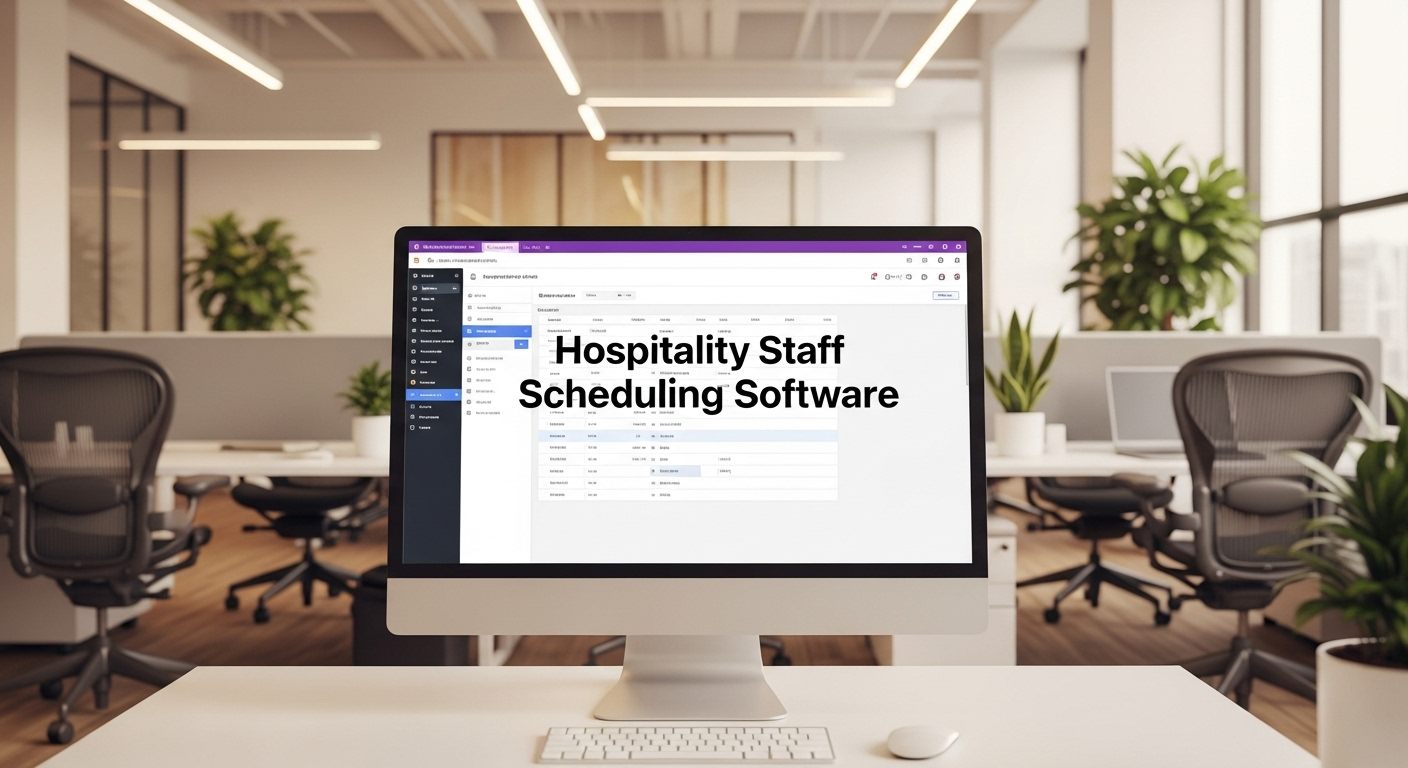
The hospitality industry thrives on exceptional service and seamless operations. However, behind every memorable guest experience lies the complex challenge of managing a dynamic workforce. From hotels and restaurants to bars and event venues, scheduling staff effectively can make or break a business’s success and profitability. Manual scheduling methods often lead to inefficiencies, compliance risks, and disgruntled employees.
This is where hospitality staff scheduling software emerges as an indispensable tool. It transforms the arduous task of creating rosters into an automated, data-driven process, ensuring optimal staffing levels, cost control, and enhanced employee satisfaction.
This comprehensive guide will explore everything you need to know about leveraging this powerful technology to revolutionize your hospitality operations.
What is Hospitality Staff Scheduling & Rostering Software
Hospitality staff scheduling and rostering software is a specialized digital platform designed to automate and optimize the process of assigning shifts and managing employee work hours within the hospitality sector. This powerful tool goes beyond simple timetables, integrating various functionalities to create efficient, compliant, and cost-effective schedules.
It allows managers to easily create, distribute, and modify employee rosters, taking into account factors like staff availability, skill sets, labor laws, and projected demand.
The software is tailored to the unique needs of hotels, restaurants, cafes, event management companies, and other hospitality businesses, helping them manage their diverse workforce effectively. It acts as a central hub for all scheduling-related activities, ensuring clarity and consistency across the organization.
Key Benefits of Effective Hospitality Staff Scheduling
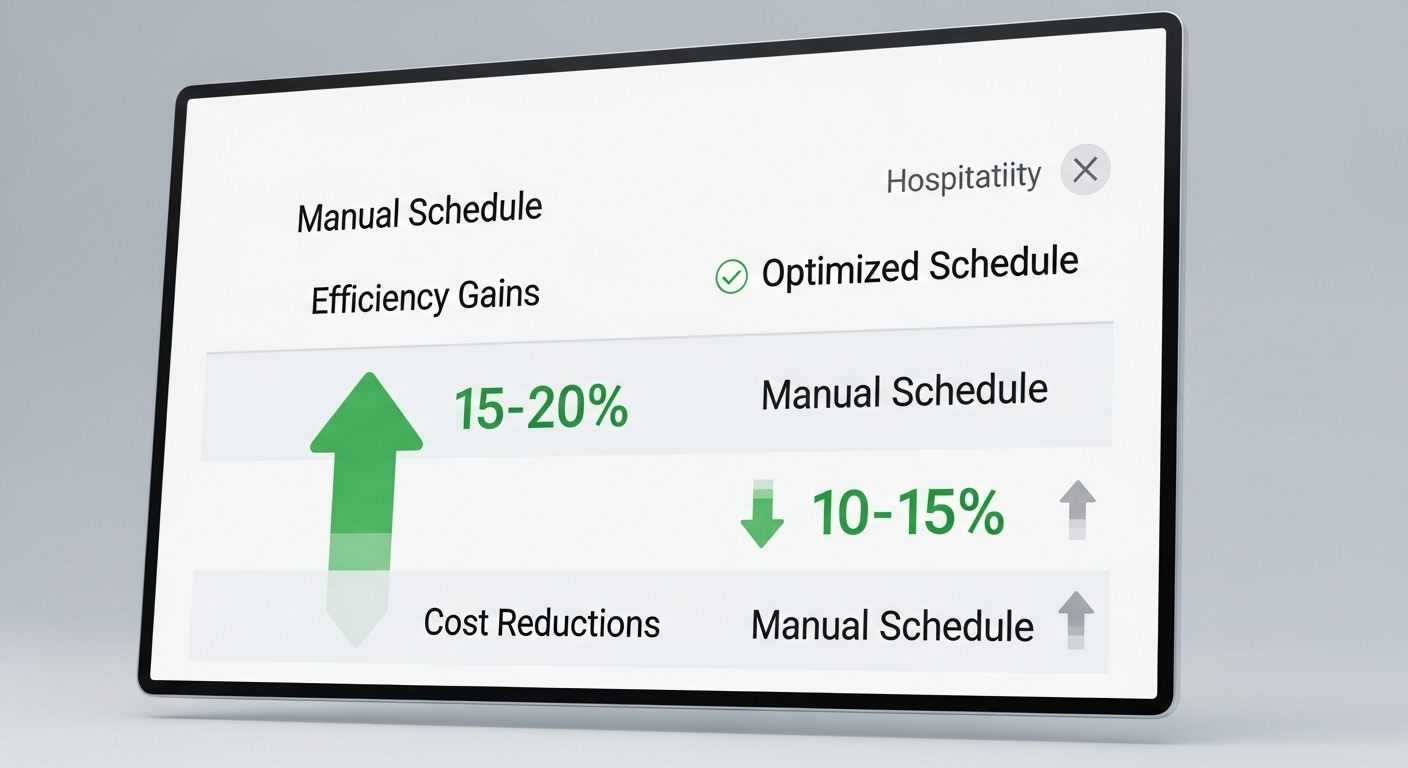
Implementing effective Hospitality staff scheduling software offers a myriad of advantages that directly impact a business’s bottom line and operational quality. These benefits extend from financial savings to improved employee morale, creating a more robust and sustainable operational model.
One of the primary benefits is significant cost reduction. By optimizing schedules, businesses can minimize unnecessary overtime, reduce absenteeism through better communication, and prevent costly penalties associated with non-compliance to labor laws. This precision in labor management directly contributes to higher profitability.
Effective scheduling also leads to an enhanced customer experience. Proper staffing ensures that there are always enough team members to provide prompt, high-quality service, reducing wait times and improving guest satisfaction. Happy guests are more likely to return and recommend the establishment to others.
Moreover, it boosts employee satisfaction and retention. Fair and transparent scheduling, consideration for employee preferences, and easy access to schedules foster a positive work environment. When employees feel valued and have a better work-life balance, they are more engaged and less likely to seek employment elsewhere, reducing turnover costs.
Finally, operational efficiency skyrockets. Managers spend less time on administrative scheduling tasks and more time focusing on strategic initiatives and guest service. Automation streamlines communication, shift swaps, and time-off requests, leading to smoother daily operations.
Challenges of Hospitality Staff Scheduling
The hospitality industry presents a unique set of challenges that make staff scheduling particularly complex. Unlike many other sectors, demand can fluctuate dramatically, requiring constant adjustments to staffing levels. This unpredictability often leads to managers spending an inordinate amount of time trying to get schedules right.
A significant hurdle is fluctuating demand. Restaurants see peak hours, hotels have seasonal rushes, and events can pop up unexpectedly. Matching staffing to these erratic patterns without over- or understaffing is a constant balancing act. Furthermore, the industry often experiences high staff turnover, meaning managers frequently deal with new hires, training periods, and a constantly changing pool of available employees.
Another complexity arises from the diverse skill sets required. A hotel might need front desk agents, housekeepers, chefs, servers, and maintenance staff, each with specific skills and certifications. Scheduling must ensure that every shift is covered by appropriately qualified personnel.
Compliance with a labyrinth of labor laws – including break requirements, overtime regulations, and fair workweek mandates – adds another layer of difficulty, making manual tracking extremely error-prone. Managing employee availability and preferences while minimizing labor costs further compounds these challenges, often leading to manager burnout and suboptimal schedules.
Rules of Effective Hospitality Staff Scheduling
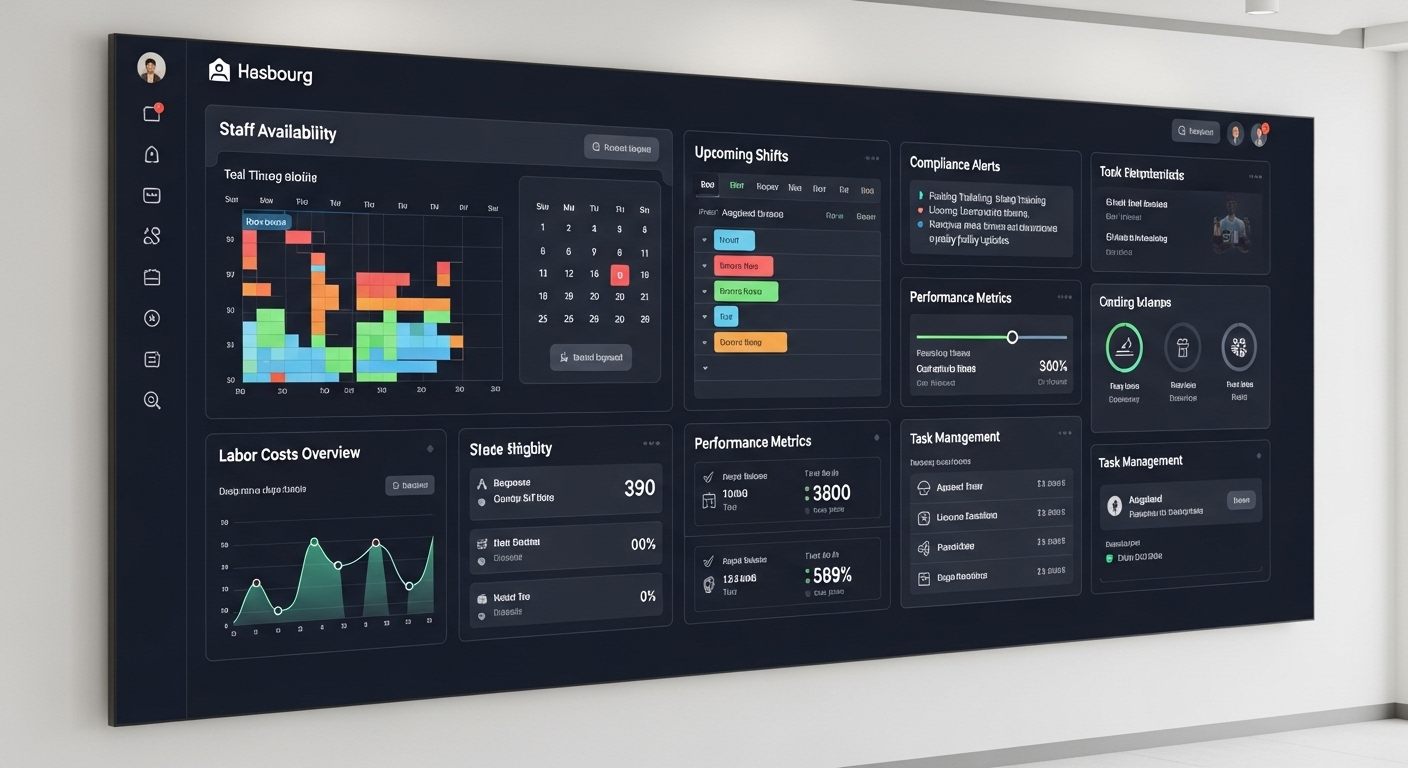
Effective hospitality staff scheduling isn’t just about filling shifts; it’s a strategic process guided by specific principles. Adhering to these rules ensures that operations run smoothly, costs are controlled, and both guests and employees remain satisfied.
First and foremost, accurate demand forecasting is critical. Businesses must predict customer traffic, bookings, and event schedules as precisely as possible to determine staffing needs. This involves analyzing historical data, seasonal trends, and upcoming events.
Next, understand employee skills and availability. Matching the right person to the right role is crucial for service quality, and accommodating employee preferences where possible boosts morale. Beyond skills, it’s essential to prioritize clear and timely communication. Employees need to know their schedules well in advance, and any changes must be communicated immediately and transparently.
Finally, ensure unwavering compliance with all relevant labor laws, including wage and hour regulations, break requirements, and fair workweek mandates. Balancing labor costs with service quality is another key rule; never compromise guest experience purely to save a few dollars on staffing. Regularly review and adjust schedules based on performance metrics and feedback to maintain optimal efficiency and responsiveness.
What to Look for in Staff Scheduling Software for Hospitality?
Choosing the right hospitality staff scheduling software is a pivotal decision that can significantly impact your operations. Not all software is created equal, and specific features are particularly crucial for the dynamic hospitality environment.
Look for software with industry-specific features that cater to hospitality’s unique needs, such as managing tip pooling, tracking specific certifications, or handling complex shift differentials. The software should be incredibly user-friendly, not just for managers creating schedules, but also for employees who need to view their shifts, request time off, and swap shifts from their mobile devices. A clunky interface will hinder adoption.
Integration capabilities are paramount. The best systems seamlessly connect with your existing Point-of-Sale (POS) systems for sales data, payroll software for accurate payments, and HRIS for employee information. Scalability is another key consideration; ensure the software can grow with your business, whether you’re adding more staff, new departments, or expanding to multiple locations.
Finally, robust reporting and analytics features are essential for gaining insights into labor costs, overtime, attendance, and compliance, enabling data-driven decision-making. Excellent customer support and ongoing updates are also vital for long-term success.
| Feature | Manual Scheduling | Hospitality Scheduling Software |
| Time Commitment | Extremely time-consuming; hours spent weekly | Significantly reduces time; schedules in minutes |
| Accuracy & Errors | High risk of human error, double bookings, and forgotten requests | Minimizes errors with automation and alerts |
| Labor Cost Control | Difficult to track overtime, potential for overstaffing | Optimizes staffing, reduces overtime, and provides cost forecasts |
| Compliance | Challenging to stay compliant with complex labor laws | Automated alerts for breaks, overtime, and fair workweek laws |
| Employee Communication | Manual calls, emails, or physical boards; slow updates | Instant updates via mobile app, in-app messaging, and self-service |
| Data & Analytics | Limited insights, hard to analyze labor trends | Comprehensive reports on labor costs, productivity, and attendance |

How Can Hospitality Scheduling Software Improve Profitability and Efficiency?
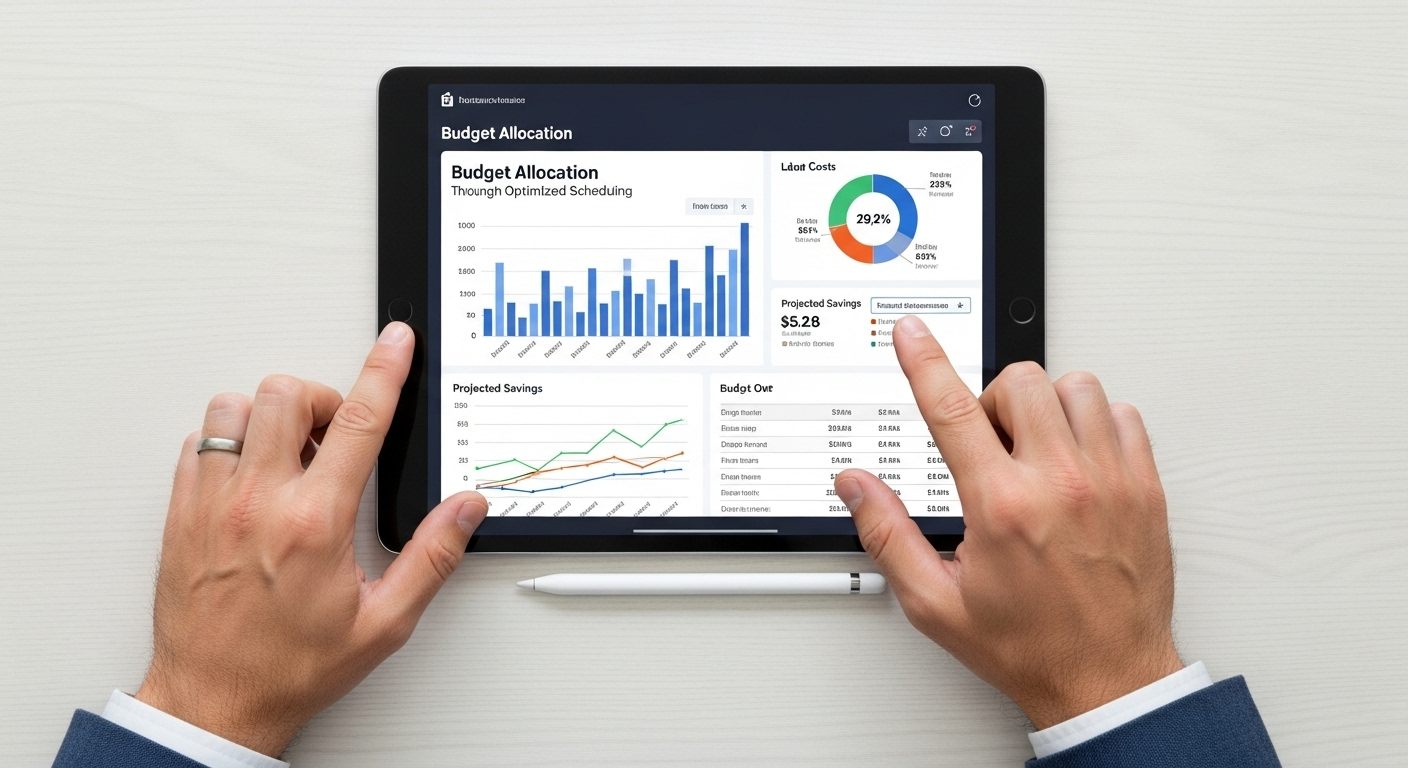
The integration of hospitality scheduling software directly translates into tangible improvements in both profitability and operational efficiency. By optimizing the most significant controllable cost—labor—businesses can unlock substantial financial gains and streamline their day-to-day operations.
One key way is through reduced labor costs. The software’s ability to accurately forecast demand and intelligently assign shifts minimizes overstaffing, thus cutting down on unnecessary wage expenditure. It also helps prevent costly overtime by providing real-time alerts and visibility into scheduled hours, allowing managers to adjust proactively. This precision ensures that you only pay for the labor you truly need.
Furthermore, the software optimizes staff utilization. By ensuring the right number of skilled employees are on duty at peak times, service quality improves, which can lead to increased revenue through higher customer satisfaction and repeat business. Conversely, preventing understaffing avoids lost sales opportunities and negative guest experiences.
The automation of administrative tasks, such as schedule creation, communication, and time-off requests, frees up valuable manager time. This allows managers to focus on critical aspects like training, guest interaction, and strategic planning, rather than getting bogged down in manual paperwork. This administrative efficiency significantly boosts overall productivity, contributing directly to a healthier bottom line.
What are the most important features of hospitality scheduling & workforce management software?
To truly excel in today’s competitive landscape, hospitality businesses need more than just basic scheduling. Modern hospitality scheduling and workforce management software offers a suite of powerful features designed to tackle the industry’s specific complexities.
- Demand Forecasting: This crucial feature uses historical data, POS integration, and seasonal trends to predict future staffing needs. It ensures you have the right number of employees at the right time, preventing both overstaffing and understaffing.
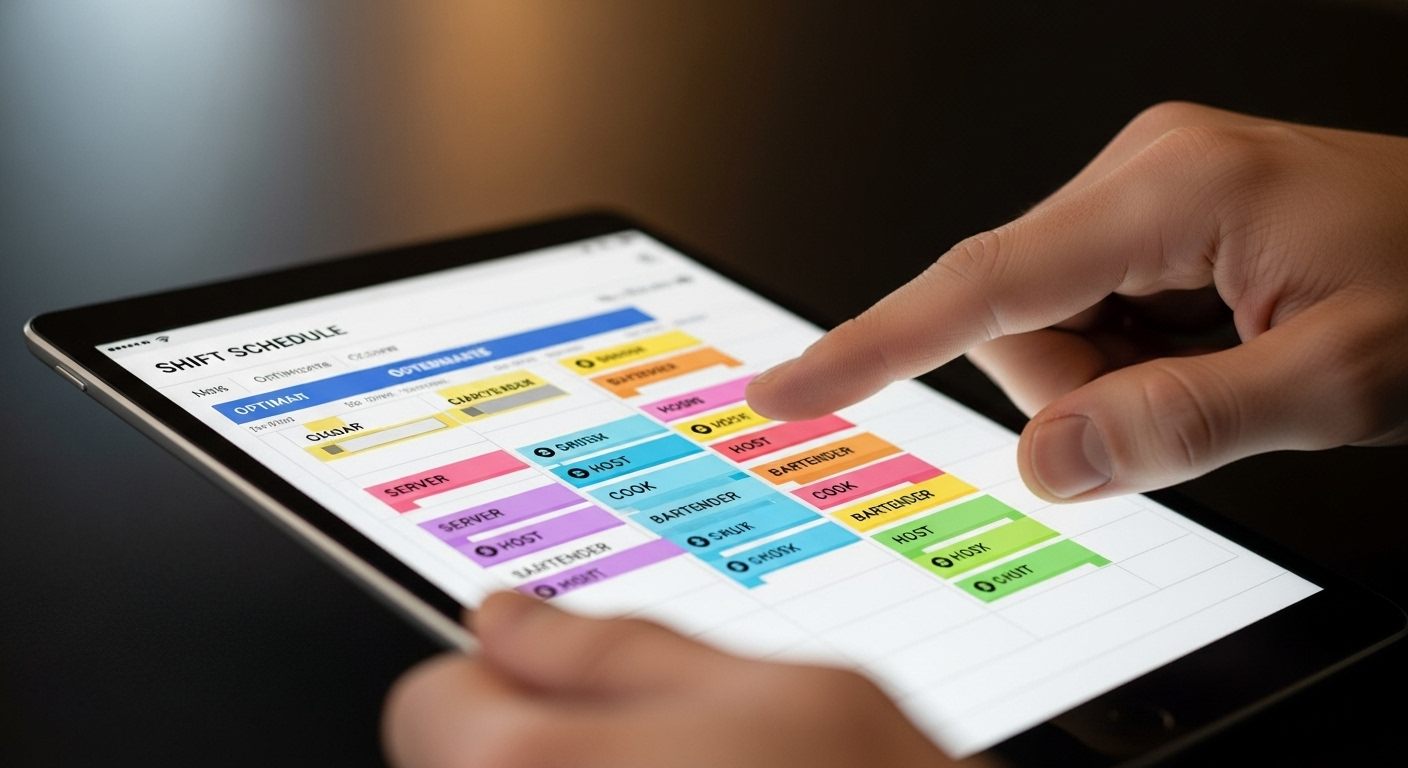
- Intuitive Drag-and-Drop Schedule Builder: Simplifies schedule creation and modifications, allowing managers to quickly assign shifts, view conflicts, and balance workloads with visual ease.
- Employee Self-Service Portal: Empowers staff to view their schedules, set availability, request time off, and initiate shift swaps directly from their mobile devices, reducing manager workload and improving employee autonomy.
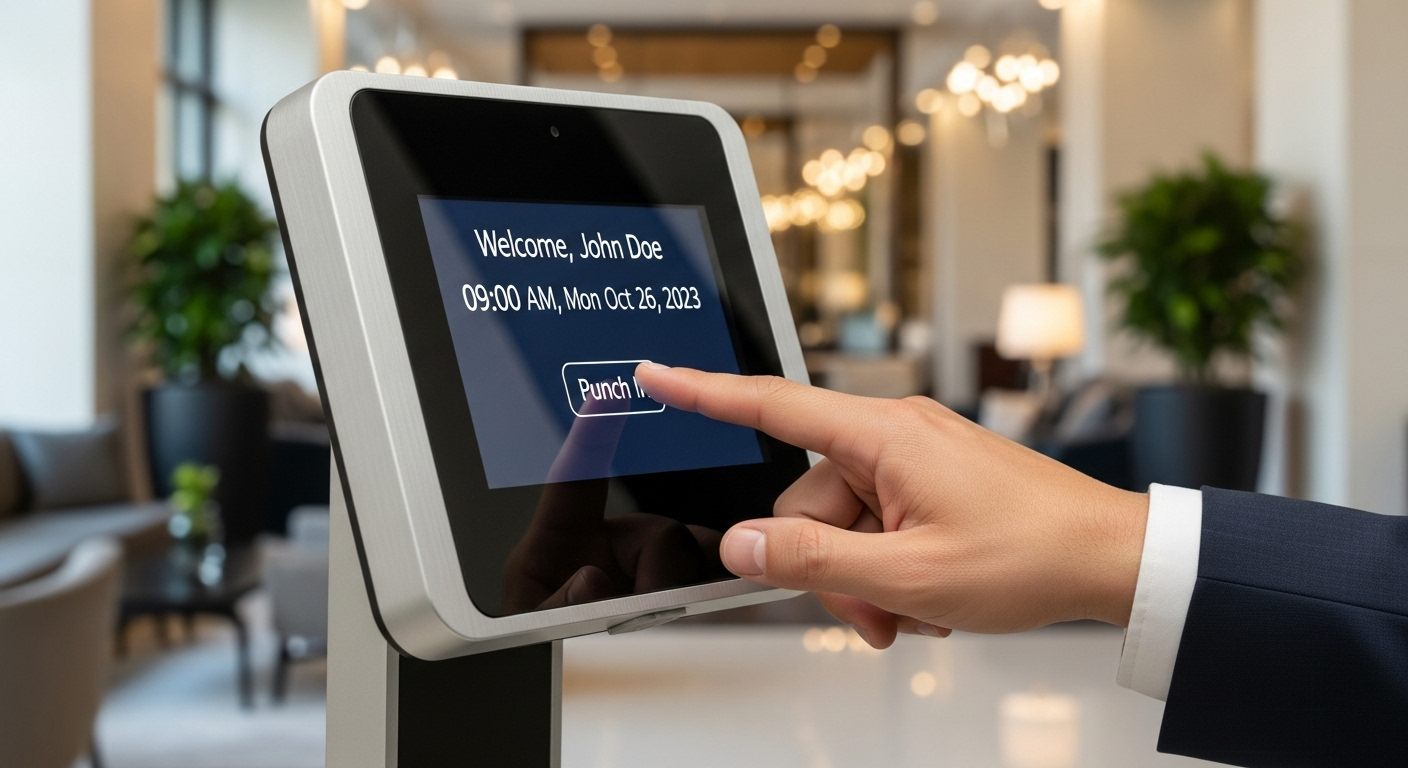
- Integrated Time and Attendance Tracking: Automatically tracks hours worked, breaks taken, and punctuality, often via punch clocks, mobile apps, or biometric scanners. This ensures accurate payroll data and compliance.
- Real-time Communication Tools: Facilitates instant messaging between managers and employees, enabling quick updates, announcements, and responses to urgent staffing needs.
- Compliance Management & Alerts: Automatically monitors schedules for adherence to labor laws, break requirements, overtime rules, and fair workweek legislation, triggering alerts for potential violations.
- Robust Reporting and Analytics: Provides detailed insights into labor costs, employee performance, attendance patterns, and scheduling efficiency, enabling data-driven decisions and continuous improvement.
- Payroll Integration: Seamlessly transfers verified time and attendance data directly to payroll systems, eliminating manual data entry errors and speeding up the payroll process.
- Skill-Based Scheduling: Allows managers to assign shifts based on an employee’s specific skills, certifications, and experience, ensuring that every role is filled by the most qualified individual.
Pros and Cons of Hospitality Staff Scheduling Software
While hospitality staff scheduling software offers immense advantages, it’s also important to consider potential drawbacks. A balanced perspective helps in making an informed decision about its implementation.
| Pros | Cons |
| Increased Efficiency & Time Savings: Automates manual tasks, freeing up manager time. | Initial Cost & Setup Time: Requires upfront investment and time for implementation. |
| Reduced Labor Costs & Overtime: Optimizes staffing levels and flags potential overtime. | Learning Curve for Staff: Employees and managers need training to use the new software effectively. |
| Enhanced Compliance & Risk Mitigation: Automated alerts help adhere to complex labor laws. | Potential Integration Challenges: May not seamlessly connect with all existing legacy systems. |
| Improved Employee Satisfaction & Retention: Offers flexibility, transparency, and better work-life balance. | Dependence on Technology: Requires reliable internet and devices; system downtime can be disruptive. |
| Better Customer Service & Guest Experience: Ensures optimal staffing for quality service. | Requires Data Accuracy: Effectiveness relies on accurate input data (forecasts, employee info). |
| Data-Driven Decision Making: Provides valuable insights through reports and analytics. | Feature Overload for Small Businesses: Some advanced features might be unnecessary for very small operations. |
How to Optimize Staffing to Match Demand
Optimizing staffing to perfectly match fluctuating demand is the holy grail of hospitality operations, and it’s where scheduling software truly shines. The goal is to avoid both the costly inefficiencies of overstaffing and the detrimental impact of understaffing on guest experience and employee morale.
Begin by leveraging the software’s demand forecasting capabilities. Integrate data from your Point-of-Sale (POS) system, historical booking records, seasonal patterns, and upcoming local events. This data provides intelligent projections of customer traffic, allowing you to anticipate staffing needs with far greater accuracy than manual guesswork. For instance, a restaurant can predict peak dining hours, or a hotel can foresee increased occupancy during a city-wide convention.
Next, employ flexible scheduling options. Use the software to create various shift types, including shorter shifts for peak periods or split shifts to cover extended operating hours efficiently. Cross-train staff across different roles; this allows for greater flexibility when unexpected demand spikes or staff call-ins occur.
The software can track these skills, making it easy to assign the most qualified available person. Regularly review your staffing metrics against actual demand and make data-driven adjustments. This continuous optimization process, facilitated by robust scheduling software, ensures that your labor force is always aligned with operational needs, leading to maximum efficiency and profitability.
Simplify Legal Compliance to Navigate Wage & Hour Laws
Navigating the intricate web of wage and hour laws is one of the most challenging aspects of hospitality management. Legal non-compliance can lead to hefty fines, costly lawsuits, and significant damage to a brand’s reputation. Hospitality staff scheduling software is an invaluable ally in simplifying this complex landscape.
The software can be configured to automatically track and enforce compliance with various regulations. This includes ensuring mandatory break and meal periods are scheduled and taken, preventing employees from working excessive hours that trigger overtime rules, and adhering to specific fair workweek or predictive scheduling laws that require advance notice of schedules or pay penalties for changes. These rules vary significantly by state and locality, making manual compliance nearly impossible without errors.
Automated alerts notify managers of potential violations before they occur, allowing for proactive adjustments. Furthermore, the system maintains accurate and auditable records of all schedules, time worked, and breaks, which are crucial in the event of a labor dispute or audit. By automating compliance, businesses significantly mitigate legal risks, reduce administrative burdens, and ensure equitable treatment for their employees, fostering a compliant and ethical work environment.
Empower Employees and Boost Retention
In an industry known for high turnover rates, empowering employees through smart scheduling practices is a powerful strategy for boosting morale and improving retention. Hospitality staff scheduling software plays a crucial role in fostering a more engaged and satisfied workforce.
The core of employee empowerment lies in the self-service portal. This feature allows staff members to proactively manage aspects of their work-life balance. They can easily view their upcoming shifts, submit availability preferences, request time off, and even initiate shift swaps with colleagues without manager intervention. This flexibility gives employees a greater sense of control over their schedules, reducing stress and improving their ability to balance work with personal commitments.
Clear and transparent communication is another key factor. Employees receive instant notifications of published schedules or any changes, ensuring everyone is always on the same page. When schedules are fair, consistent, and easily accessible, it builds trust and fosters a positive work environment.
By considering employee preferences and providing tools for flexibility, businesses demonstrate that they value their staff. This not only leads to higher job satisfaction and reduced burnout but also significantly lowers costly employee turnover, making your establishment a more attractive place to work.
Connect Your Tools and Automate Workflows
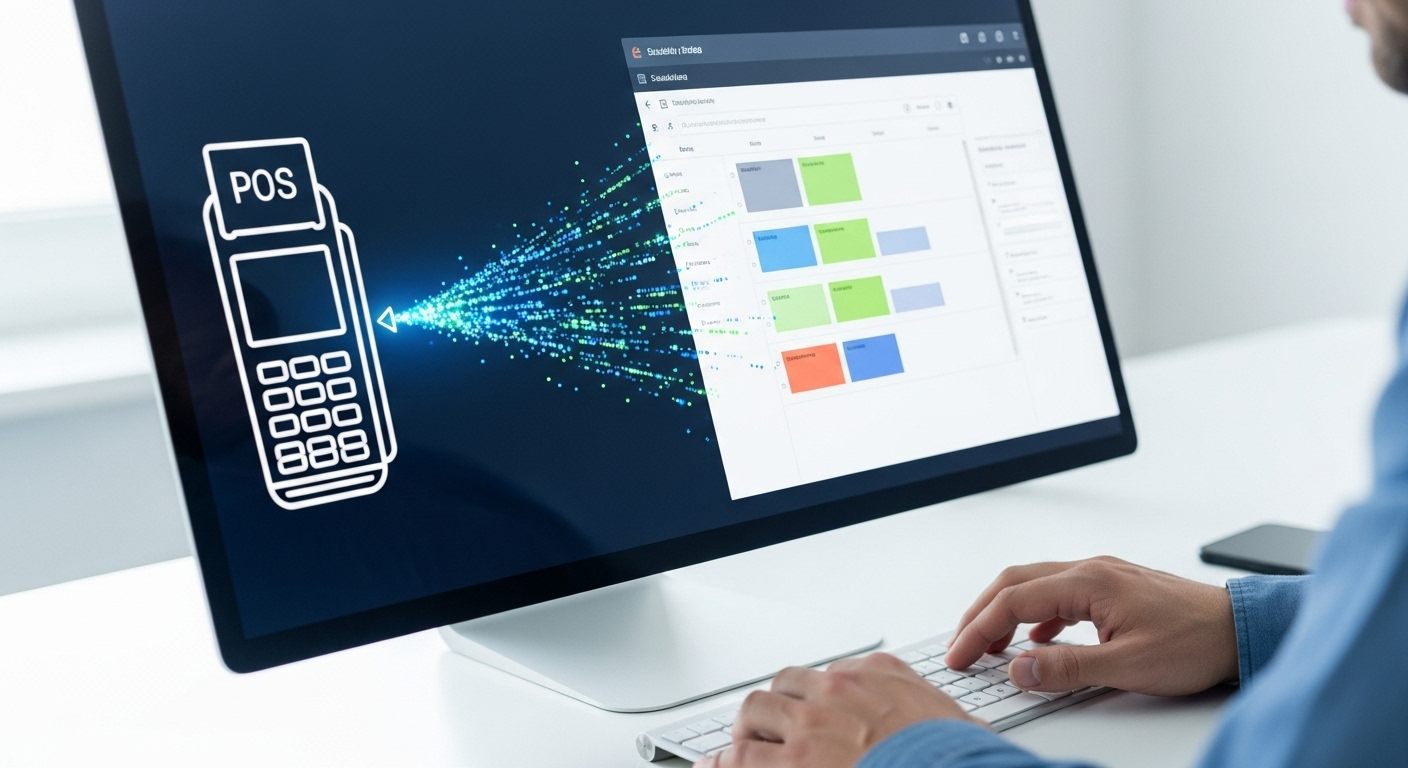
Modern hospitality operations rely on a suite of digital tools, from Point-of-Sale (POS) systems to payroll processors. The true power of hospitality staff scheduling software is unlocked when it seamlessly integrates with these existing systems, creating a unified and automated workflow.
Integrating with POS systems is paramount. This connection allows the scheduling software to pull real-time sales data and historical transaction volumes, which are critical inputs for accurate demand forecasting. Knowing exactly when your busiest periods are helps in scheduling staff optimally, ensuring adequate coverage, and maximizing revenue opportunities. Without this integration, demand forecasting remains a manual, often inaccurate estimation.
Equally important is integration with payroll and HRIS (Human Resources Information System). Once shifts are completed and hours are verified, the scheduling software can automatically transfer accurate time and attendance data directly to your payroll system. This eliminates manual data entry, reduces costly errors, and significantly speeds up the payroll process.
Similarly, linking with your HRIS ensures that employee profiles, contact information, and specific skills are consistently updated across all platforms. This interconnectedness minimizes administrative overhead, automates redundant tasks, and creates a single source of truth for all workforce-related data, allowing your operations to run with unparalleled efficiency.
What is the typical pricing for hospitality scheduling software?
The pricing for hospitality staff scheduling software typically follows a subscription-based model, often calculated on a per-employee, per-month basis. This approach makes the software scalable and accessible for businesses of all sizes, from small independent cafes to large hotel chains.
You’ll find various tiered pricing plans, usually categorized as Basic, Standard, Pro, or Enterprise. These tiers offer different feature sets, which affect the overall cost. For instance, a basic plan might include core scheduling and communication tools, while higher tiers could offer advanced features like demand forecasting, extensive reporting, deep integrations with POS and payroll, and dedicated customer support.
The cost can range anywhere from $2 to $15+ per employee per month, depending on the vendor and the chosen plan. Factors influencing the price include the number of active employees, the breadth of features required, the level of customer support, and any additional modules like time clock hardware or advanced analytics.
Many providers offer discounts for annual billing or for larger employee counts. When evaluating pricing, it’s crucial to consider the potential Return on Investment (ROI) from reduced labor costs, increased efficiency, and improved compliance, which often far outweigh the subscription fees.
| Plan Name (Example) | Key Features (Example) | Typical Cost (Per Employee/Month) | Best For |
| Starter | Basic scheduling, employee communication, and mobile app | $2 – $4 | Small cafes, single-location restaurants |
| Growth | All Starter + Time & attendance, basic analytics, time-off requests | $4 – $8 | Medium-sized restaurants, small hotels, multi-location businesses |
| Enterprise | All Growth + Demand forecasting, advanced integrations (POS, Payroll), compliance, dedicated support | $8 – $15+ | Large hotel groups, complex event venues, multi-brand operations |
Frequently Asked Questions About Hospitality Staff Scheduling
Here are some common questions about hospitality staff scheduling software, with quick answers to clarify key points.
Q: What exactly is hospitality workforce management software?
A: It’s a comprehensive platform that goes beyond basic scheduling to include time and attendance, labor analytics, compliance management, and employee self-service. It helps manage the entire employee lifecycle from hire to retire within hospitality.
Q: How does this software differ from traditional, manual scheduling methods?
A: Unlike manual methods (spreadsheets, paper), software automates tasks, reduces errors, provides real-time insights, ensures compliance, and offers self-service options, leading to greater efficiency and cost savings.
Q: Is hospitality scheduling software suitable for small cafes or restaurants?
A: Absolutely. Even small businesses benefit greatly from reduced administrative time, minimized overtime costs, and improved employee satisfaction. Many affordable and scalable options are designed for smaller operations.
Q: What are the most crucial integrations I should look for?
A: Essential integrations include Point-of-Sale (POS) systems for accurate demand forecasting, payroll systems for streamlined processing, and HRIS for comprehensive employee data management.
Q: How long does it typically take to implement hospitality scheduling software?
A: Implementation time varies based on the software’s complexity and your business size. However, most user-friendly cloud-based solutions can be set up and operational within a few days to a few weeks, with proper training and data migration.
Q: Can this software help reduce employee turnover?
A: Yes, by enabling fair, transparent scheduling, offering flexibility through shift swaps, and improving communication, it boosts employee morale, reduces stress, and fosters a sense of fairness, directly contributing to higher retention rates.
Conclusion
In the fast-paced world of hospitality, efficient staff scheduling is no longer a luxury but a strategic imperative. The transition from cumbersome manual processes to intelligent, automated systems offered by hospitality staff scheduling software marks a significant leap forward for any business striving for operational excellence.
By investing in the right scheduling solution, businesses can unlock a wealth of benefits: substantial cost savings through optimized labor management, elevated customer experiences driven by adequate staffing, robust compliance with complex labor laws, and a more engaged, satisfied workforce. The ability to forecast demand accurately, empower employees with self-service options, and integrate seamlessly with existing systems transforms chaotic rostering into a smooth, efficient operation.
Ultimately, hospitality staff scheduling software is a powerful tool that not only solves immediate operational headaches but also lays the groundwork for sustained growth and profitability. It enables managers to reclaim valuable time, focus resources where they matter most, and foster an environment where both business and employees can thrive.
Embracing this technology is a critical step towards building a resilient, responsive, and highly successful hospitality enterprise in the modern era.
Related Category: Business Trends