

This article explores the multifaceted benefits of conversational AI in healthcare, detailing its applications, challenges, and future potential.
The healthcare industry is undergoing a significant transformation, driven by technological advancements aimed at improving patient outcomes, enhancing operational efficiency, and making care more accessible. Among these innovations, conversational AI stands out as a powerful tool poised to redefine how patients interact with healthcare providers and manage their health.
From intelligent chatbots to sophisticated virtual assistants, conversational AI is streamlining administrative tasks, providing instant information, and offering personalized support. This technology not only empowers patients but also alleviates the immense pressure on healthcare professionals, allowing them to focus on complex medical needs.
What is Conversational AI in Healthcare?
Conversational AI in healthcare refers to artificial intelligence technologies designed to simulate human-like conversations through text or voice. These systems leverage natural language processing (NLP) and machine learning to understand, interpret, and respond to user queries in a relevant and helpful manner.
In the healthcare context, this includes a range of applications such as chatbots, virtual health assistants, and voice-enabled interfaces. They can interact with patients, clinicians, and administrative staff to provide information, collect data, or guide users through specific processes. The goal is to create intuitive, efficient, and accessible communication channels within the healthcare ecosystem.
These AI tools are distinct from simple automated scripts because they can learn from interactions, improve their understanding over time, and handle more complex, open-ended queries. This adaptability is crucial for the diverse and often sensitive nature of healthcare communication.

Key Technologies Powering Conversational AI
The effectiveness of conversational AI relies on a sophisticated blend of underlying technologies that work in concert to process and generate human language. Understanding these components helps in appreciating the capabilities and complexities of these systems.
Natural Language Processing (NLP) is fundamental, allowing AI to understand human language as it is spoken or written. It breaks down text and speech into understandable components, identifying intent, entities, and context. This is what enables a bot to discern whether a patient is asking about symptoms or appointment scheduling.
Natural Language Understanding (NLU) is a subset of NLP, specifically focused on interpreting the meaning behind language. It helps the AI grasp nuances, synonyms, and even sarcasm, which is vital for accurate responses in sensitive medical conversations. NLU ensures that the system doesn’t just recognize words but truly comprehends the user’s need.
Machine Learning (ML) and Deep Learning (DL) algorithms are the brains behind conversational AI’s ability to learn and improve. ML models are trained on vast datasets of conversations to recognize patterns and make predictions, while deep learning, with its neural networks, can handle even more complex linguistic structures and generate more human-like responses.
Speech Recognition (or Automatic Speech Recognition – ASR) converts spoken language into text, enabling voicebots and virtual assistants to interact verbally. Conversely, Text-to-Speech (TTS) technology converts written text into natural-sounding spoken language, completing the audio loop for voice interactions. These technologies make conversational AI accessible to a wider demographic, including those who prefer speaking over typing.
Benefits of Implementing Conversational AI in Healthcare
The integration of conversational AI in healthcare yields a multitude of advantages, fundamentally reshaping the patient experience and operational landscape. These benefits touch upon various aspects of care delivery, from accessibility to efficiency.
Improved Patient Engagement and Experience
Conversational AI offers immediate, personalized interactions that significantly enhance patient engagement. Patients can receive answers to common questions, get appointment reminders, and access health information instantly, leading to a more satisfying and less frustrating experience. This constant availability fosters a sense of being supported and understood.
Enhanced Operational Efficiency and Cost Reduction
By automating routine tasks, conversational AI frees up valuable staff time, allowing healthcare professionals to focus on direct patient care. Tasks like appointment scheduling, answering FAQs, and initial patient triage can be handled by AI, leading to reduced administrative overhead and significant cost savings for healthcare providers. This efficiency translates to better resource allocation.
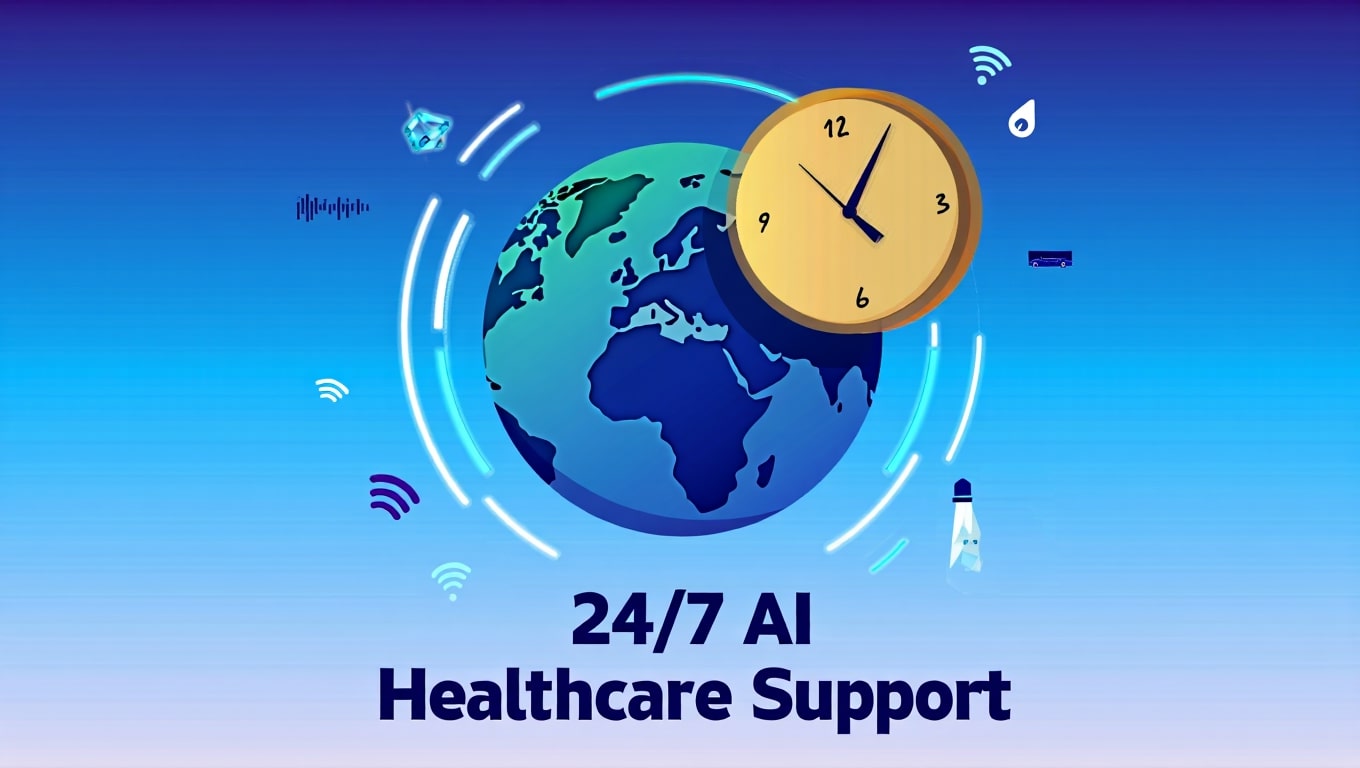
24/7 Accessibility and Support
One of the most critical benefits is the provision of round-the-clock support. Patients can access information and assistance anytime, anywhere, without waiting for office hours. This constant availability is especially vital for urgent, non-emergency queries or for patients in different time zones, ensuring timely guidance.
Personalized Patient Care and Education
Conversational AI can deliver highly personalized health information and recommendations based on a patient’s medical history, preferences, and current symptoms. This tailored approach aids in patient education, medication adherence, and proactive health management, moving beyond one-size-fits-all advice.
Reduced Administrative Burden
Healthcare staff often spend a considerable amount of time on repetitive administrative tasks. Conversational AI automates these processes, from patient registration to answering billing inquiries, drastically reducing the administrative load. This allows staff to dedicate their efforts to more complex and human-centric roles.
Better Data Collection and Insights
Each interaction with a conversational AI system generates valuable data that can be analyzed to gain insights into patient needs, common issues, and service gaps. This data can inform strategic decisions, improve service delivery, and even identify trends in public health, leading to more data-driven healthcare management.
Support for Mental Health and Wellness
Chatbots and virtual assistants can offer confidential, stigma-free support for mental health concerns. They can provide initial screenings, coping strategies, mindfulness exercises, and direct users to professional help, acting as a valuable first point of contact for individuals seeking mental wellness resources.
Streamlined Appointment Scheduling
The process of booking, rescheduling, or canceling appointments can be fully automated by conversational AI. Patients can interact with a bot to find available slots, confirm details, and receive reminders, reducing no-shows and optimizing clinic schedules. This vastly simplifies a common point of friction.
Medication Adherence Reminders
Adherence to medication regimens is crucial for patient outcomes, especially for chronic conditions. Conversational AI can send timely, personalized reminders for medication intake, refill prompts, and even answer basic questions about dosages or side effects, significantly improving compliance.
Triage and Symptom Assessment
AI-powered symptom checkers can guide patients through a series of questions to assess their symptoms, provide preliminary information about potential conditions, and recommend appropriate next steps, such as self-care, scheduling a doctor’s visit, or seeking emergency care. This helps prioritize care and reduce unnecessary ER visits.
Use Cases of Conversational AI in Healthcare
The versatility of conversational AI allows for its application across numerous facets of healthcare, enhancing various touchpoints for patients and providers alike. Its adaptable nature makes it invaluable for diverse operational needs.
- Patient Intake and Onboarding: Automating the collection of patient demographics, medical history, and insurance information before an appointment significantly reduces check-in times.
- Appointment Management: Enabling patients to effortlessly book, modify, or cancel appointments, and receive automated reminders via text or voice.
- FAQs and Information Dissemination: Providing instant answers to common questions about clinic hours, services, parking, billing, and general health inquiries, freeing up front-desk staff.
- Symptom Checkers and Pre-assessment: Guiding patients through a series of questions to understand their symptoms, offering potential causes, and advising on the appropriate level of care, from self-treatment to urgent care.
- Post-Discharge Follow-ups: Automating communication with patients after discharge to check on their recovery, remind them of follow-up appointments, and answer post-operative questions, improving recovery rates and reducing readmissions.
- Chronic Disease Management Support: Providing ongoing support for patients with chronic conditions through medication reminders, lifestyle advice, and monitoring of health metrics, encouraging self-management.
- Mental Health Support Chatbots: Offering a safe and anonymous space for individuals to discuss mental health concerns, providing coping mechanisms, stress reduction techniques, and directing users to professional psychological help.
- Provider Support (e.g., EHR Interaction): Assisting clinicians with quick access to patient data within Electronic Health Records (EHRs), answering clinical queries, and automating documentation tasks, enhancing workflow efficiency.
Real-World Examples of Conversational AI in Healthcare
Several organizations have successfully deployed conversational AI, demonstrating its tangible benefits in diverse healthcare settings. These examples highlight the practical application of this technology.
Babylon Health, a digital-first healthcare provider, uses an AI-powered chatbot for symptom checking and health assessments. Patients can describe their symptoms, and the AI provides relevant health information and recommendations, including whether to see a doctor or use self-care. This has significantly streamlined initial patient contact.
Ada Health offers an AI-powered symptom assessment app that asks users about their health and symptoms. It generates a personalized health assessment, suggesting possible conditions and guiding users on appropriate next steps, from visiting a pharmacy to seeing a specialist. Their system learns and improves with every interaction.
Many large hospital systems and clinics have implemented chatbots on their websites to handle routine inquiries. These bots answer questions about visiting hours, specific department locations, billing processes, and general hospital information. This reduces call volumes and improves the efficiency of administrative staff.
Companies like Woebot Health specialize in AI-powered mental health chatbots. Woebot uses cognitive behavioral therapy (CBT) principles to help users manage stress, anxiety, and depression through daily check-ins and interactive exercises. It offers accessible and private support, complementing traditional therapy.
In the realm of chronic disease management, AI assistants are being used to remind patients with diabetes to check their blood sugar levels or individuals with hypertension to take their medication. These systems can also provide dietary advice and exercise recommendations tailored to individual conditions.

Pros and Cons of Conversational AI in Healthcare
While conversational AI offers revolutionary advantages, it also comes with certain limitations and challenges that need careful consideration. A balanced perspective is essential for successful implementation.
| Pros of Conversational AI in Healthcare | Cons of Conversational AI in Healthcare |
|---|---|
| Enhanced Accessibility: Provides 24/7 support and instant access to information, reducing wait times and geographical barriers to care. | Accuracy Limitations: AI may misinterpret complex or nuanced symptoms, potentially leading to incorrect advice or delayed care. |
| Increased Efficiency: Automates routine tasks, freeing up healthcare professionals for more critical patient interactions and reducing operational costs. | Data Privacy & Security Concerns: Handling sensitive patient health information (PHI) requires robust security measures and strict compliance with regulations like HIPAA. |
| Personalized Patient Care: Delivers tailored health information, reminders, and support based on individual patient data and needs. | Lack of Human Empathy: AI cannot replicate genuine human empathy and understanding, which is crucial for sensitive health discussions and emotional support. |
| Improved Patient Engagement: Interactive and convenient communication methods lead to higher patient satisfaction and adherence to treatment plans. | Integration Complexities: Integrating AI solutions with legacy EHR systems and existing healthcare infrastructure can be challenging and costly. |
| Scalability: Can handle a large volume of inquiries simultaneously without degradation in performance, unlike human staff. | Bias in AI Algorithms: Training data may contain biases, leading to discriminatory or inequitable advice for certain patient populations. |
Challenges in Implementing Conversational AI for Healthcare
Despite the clear advantages, the road to widespread conversational AI adoption in healthcare is paved with significant hurdles. Addressing these challenges is paramount for successful and ethical deployment.
Data privacy and security are arguably the biggest concerns. Healthcare data is among the most sensitive, and any breach can have severe consequences. Compliance with strict regulations like HIPAA in the US and GDPR in Europe is non-negotiable, requiring robust encryption, access controls, and auditing capabilities for AI systems.
Integration with legacy systems presents a major technical challenge. Many healthcare organizations rely on older, complex Electronic Health Record (EHR) systems that were not designed for easy integration with modern AI solutions. Seamless data flow is crucial for personalized and accurate AI interactions, making interoperability a key issue.
Ensuring accuracy and reliability is critical, as incorrect medical advice can have life-threatening consequences. AI systems must be rigorously tested and continuously updated to maintain high levels of accuracy, particularly in symptom assessment and treatment recommendations. The “black box” nature of some AI can also make it difficult to understand how a specific recommendation was reached.
Ethical considerations and bias are inherent in AI development. If the training data for conversational AI is biased (e.g., predominantly representing certain demographics), the AI’s responses may inadvertently perpetuate or amplify health disparities. Developers must consciously work to create equitable and fair AI systems.
User adoption and trust can also be challenging. Patients and healthcare professionals may be hesitant to trust AI with sensitive health information or rely on it for medical guidance. Building confidence requires transparency about AI’s capabilities and limitations, along with clear human oversight mechanisms.
Finally, the cost of development and maintenance for sophisticated conversational AI can be substantial. This includes initial investment in technology, ongoing training of models, and personnel costs for oversight and continuous improvement. Organizations must weigh these costs against the projected benefits.

How to Implement Conversational AI in Your Healthcare Platform
Implementing conversational AI effectively requires a strategic, phased approach that addresses both technical and organizational aspects. Careful planning is essential to maximize the benefits and mitigate potential risks.
First, define clear objectives and scope. Identify specific pain points or processes that conversational AI can address, such as reducing appointment no-shows, automating FAQs, or providing mental health support. A focused approach yields better results than trying to solve everything at once.
Next, choose the right platform or vendor. Evaluate various AI solutions, considering their capabilities, scalability, security features, and integration potential. Look for vendors with proven healthcare experience and a strong understanding of regulatory compliance.
Data preparation and training are crucial. Conversational AI thrives on data, so gather relevant, anonymized conversational data, FAQs, and medical information to train your AI model. The quality and diversity of this data directly impact the AI’s performance and accuracy.
Implement a pilot testing phase with a small group of users before a full-scale rollout. This allows for the identification of issues, the collection of user feedback, and the fine-tuning of the AI’s responses in a controlled environment. Iterative improvements are key to success.
Finally, ensure robust integration with existing systems, particularly EHRs, to allow for seamless data exchange. Establish clear protocols for continuous monitoring of AI performance, user satisfaction, and regular updates to the AI’s knowledge base and algorithms.
Integrating Conversational AI with Existing Healthcare Systems
For conversational AI to deliver its full potential, it must seamlessly integrate with the existing complex IT infrastructure of healthcare organizations. This typically involves connecting with Electronic Health Records (EHRs), patient portals, and other administrative systems.
API integrations are the primary method for enabling data exchange between conversational AI and other systems. APIs (Application Programming Interfaces) allow different software applications to communicate with each other, facilitating the retrieval and submission of patient data in a structured format. This is crucial for personalizing interactions and automating workflows.
EHR connectivity is paramount. When a patient interacts with a conversational AI about their symptoms or appointments, the AI often needs to access or update their medical records. Secure, HIPAA-compliant connections to EHRs ensure that the AI has the most up-to-date patient information and that its actions are recorded appropriately.
Data synchronization protocols must be established to ensure consistency across all platforms. If a patient updates their contact information via a chatbot, that change must reflect in the EHR and billing systems instantly. Real-time or near-real-time synchronization prevents data discrepancies and improves operational accuracy.
Furthermore, strong security protocols are necessary to protect sensitive patient data during integration. This includes end-to-end encryption, secure authentication methods, and strict access controls. Regular security audits are essential to identify and mitigate potential vulnerabilities in the integrated system.

Best Practices For Conversational AI In Healthcare
To ensure that conversational AI solutions are effective, safe, and well-received within the healthcare environment, adhering to certain best practices is crucial. These guidelines help in maximizing benefits while minimizing risks.
- Define a Clear Scope and Objective: Start with a well-defined use case that solves a specific problem, rather than trying to build an all-encompassing AI from the outset. This allows for focused development and measurable success.
- Prioritize Patient Data Security and Privacy: Implement robust security measures from day one. Ensure full compliance with all relevant healthcare regulations (HIPAA, GDPR) regarding data handling, storage, and access.
- Design for User-Friendliness and Accessibility: The AI interface should be intuitive and easy to use for all patient demographics, including those with varying levels of technical literacy or disabilities. Support multiple languages where applicable.
- Continuous Learning and Iteration: Conversational AI models improve over time. Establish a feedback loop for monitoring performance, identifying areas for improvement, and regularly updating the AI’s knowledge base and conversational flows.
- Human Oversight and Escalation: AI should augment, not replace, human interaction. Ensure there are clear pathways for patients to escalate complex or sensitive queries to a human healthcare professional. Human oversight is vital for patient safety.
- Transparency About AI Involvement: Clearly communicate to users that they are interacting with an AI. Manage expectations about its capabilities and limitations. Honesty builds trust.
- Train with Diverse and Representative Data: To mitigate bias, ensure that the AI is trained on a wide range of diverse and representative patient data, reflecting various demographics and health conditions.
- Measure and Evaluate Impact: Establish key performance indicators (KPIs) to track the AI’s effectiveness, such as reduced call volumes, improved patient satisfaction scores, or increased appointment adherence.
Safety and Regulatory Considerations for AI in Healthcare
The deployment of AI in healthcare, particularly in areas affecting patient diagnosis or treatment, brings significant safety and regulatory scrutiny. Ensuring these systems are safe, effective, and ethically sound is paramount.
Data protection regulations like HIPAA in the United States and GDPR in the European Union are central. These laws mandate stringent requirements for the privacy and security of Protected Health Information (PHI). Conversational AI systems handling such data must be designed with these regulations at their core, implementing encryption, access controls, and data anonymization techniques.
The Food and Drug Administration (FDA) in the US plays a crucial role for AI systems classified as medical devices. If a conversational AI is intended for diagnosis, treatment, or mitigation of disease (e.g., an advanced symptom checker that provides diagnostic suggestions), it may require FDA clearance or approval. Developers must understand these classifications early in the design process.
Beyond specific regulations, ethical guidelines for AI in healthcare are emerging globally. These often emphasize principles such as transparency, accountability, fairness, and non-maleficence. For conversational AI, this means being transparent about AI involvement, avoiding algorithmic bias, and having clear pathways for human intervention.
Data governance frameworks are also essential. This involves establishing clear policies for how healthcare data is collected, stored, processed, and used by AI, as well as who is responsible for its accuracy and security. Continuous auditing and monitoring of AI performance are also key safety measures.
The Future of Conversational AI in Healthcare
The trajectory of conversational AI in healthcare points towards increasingly sophisticated and integrated solutions that will profoundly impact how care is delivered and experienced. The future promises even greater personalization and proactive health management.
We can expect advanced personalization and predictive analytics integration. Conversational AI will move beyond reactive responses to proactively offer insights and recommendations based on a patient’s complete health profile, lifestyle, and even genetic data. This could include predicting potential health risks or suggesting preventative measures tailored to individuals.
Multimodal AI will become more prevalent, combining text, voice, images, and even biometric data for richer, more context-aware interactions. Imagine an AI that can analyze a patient’s vocal tone for signs of distress, interpret images of skin conditions, and understand spoken queries simultaneously.
The development of truly empathetic AI is another exciting frontier. While AI cannot feel, it can be programmed to detect human emotions through language and tone, responding in a way that provides comfort and understanding. This could revolutionize mental health support and chronic disease management, making interactions feel more human.
Furthermore, conversational AI will see deeper integration with wearables and IoT health devices. Virtual assistants could monitor continuous glucose levels from a wearable, proactively alert patients to anomalies, and offer immediate guidance or connect them with a clinician. This creates a highly connected and responsive healthcare ecosystem.

AI-Driven Innovations in Healthcare
While conversational AI is a significant part of the AI revolution in healthcare, it’s just one piece of a much larger, interconnected puzzle. Other AI-driven innovations are also transforming the industry, often complementing conversational interfaces.
In diagnostics and imaging, AI algorithms are becoming incredibly adept at analyzing medical images like X-rays, MRIs, and CT scans to detect anomalies, often with greater speed and accuracy than human eyes. This aids in early detection of diseases such as cancer and neurological disorders, complementing conversational AI that might triage patients based on symptoms before imaging.
Drug discovery and development are being accelerated by AI. Machine learning models can analyze vast amounts of data to identify potential drug candidates, predict their efficacy, and optimize molecular structures, significantly shortening the time and cost associated with bringing new medicines to market.
Personalized medicine is another area where AI excels. By analyzing a patient’s genetic profile, lifestyle, and environmental factors, AI can help tailor treatment plans and medication dosages for optimal effectiveness and minimal side effects. Conversational AI then becomes the interface for delivering these personalized recommendations and support.
Predictive analytics, powered by AI, is being used to identify patients at high risk of certain conditions, hospital readmissions, or adverse events. This allows healthcare providers to intervene proactively, improving outcomes and reducing costs. Conversational AI can play a role in delivering these proactive interventions and engaging patients in preventative care.
Frequently Asked Questions About Conversational AI in Healthcare
As conversational AI gains traction in healthcare, several common questions arise regarding its functionality, safety, and impact.
Q: Is conversational AI in healthcare secure?
A: Yes, reputable conversational AI solutions in healthcare are designed with stringent security measures. They employ end-to-end encryption, comply with data privacy regulations like HIPAA and GDPR, and undergo regular security audits to protect patient data. However, users should always ensure they are using trusted platforms.
Q: Can conversational AI replace human doctors or nurses?
A: No, conversational AI is intended to augment, not replace, human healthcare professionals. It excels at automating routine tasks, providing information, and offering preliminary support, freeing up clinicians to focus on complex diagnoses, nuanced care, and empathetic human interactions that AI cannot replicate.
Q: How accurate are AI symptom checkers?
A: AI symptom checkers can be highly accurate for common conditions and provide valuable guidance. However, they are not diagnostic tools and should not be used as a substitute for professional medical advice. Their primary role is to inform and triage, recommending appropriate next steps based on reported symptoms.
Q: What types of healthcare organizations benefit most from conversational AI?
A: A wide range of organizations benefit, including large hospital systems seeking to reduce administrative load, clinics aiming to improve patient engagement, mental health providers offering accessible support, and pharmaceutical companies looking to enhance patient adherence programs. Any organization with high volumes of routine patient interactions can see significant improvements.
Final Verdict on Conversational AI in Healthcare
The verdict on the Benefits of Conversational AI in Healthcare is overwhelmingly positive, marking it as a truly transformative technology. Its ability to enhance patient engagement, streamline operations, and provide accessible, personalized support positions it as an indispensable tool for the modern healthcare landscape. While challenges related to data privacy, integration, and ethical considerations persist, they are being actively addressed through robust development, regulatory frameworks, and best practices.
The future promises even greater sophistication, with empathetic multimodal AI systems seamlessly integrated into every aspect of care delivery, from preventative health to post-treatment recovery. Embracing conversational AI is not merely an option but a strategic imperative for healthcare providers looking to deliver higher quality, more efficient, and patient-centric care in the years to come. The benefits far outweigh the complexities, heralding a new era of intelligent healthcare.
Key point: Conversational AI is revolutionizing healthcare by making care more accessible, efficient, and personalized, ultimately benefiting both patients and providers.
The sustained adoption and refinement of this technology will play a critical role in shaping a healthier future for all, ensuring that access to information and support is always at a patient’s fingertips.
In conclusion, conversational AI is not just a technological trend but a foundational shift that promises to redefine the delivery and experience of healthcare. Its impact on improving patient outcomes and operational efficiencies is profound and will continue to grow as the technology matures and becomes more seamlessly integrated into the fabric of healthcare systems worldwide.
Related Category: AI Trends