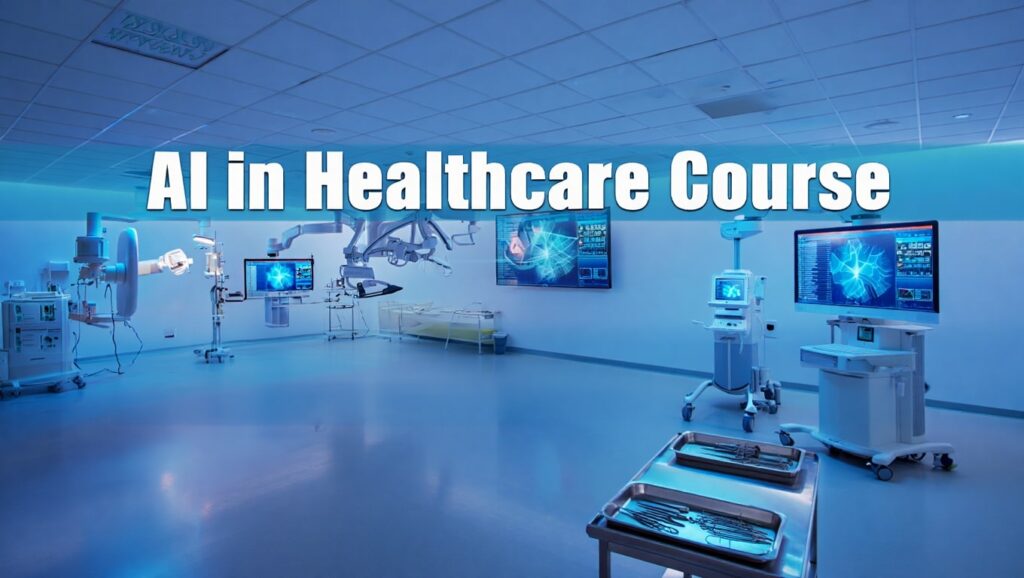
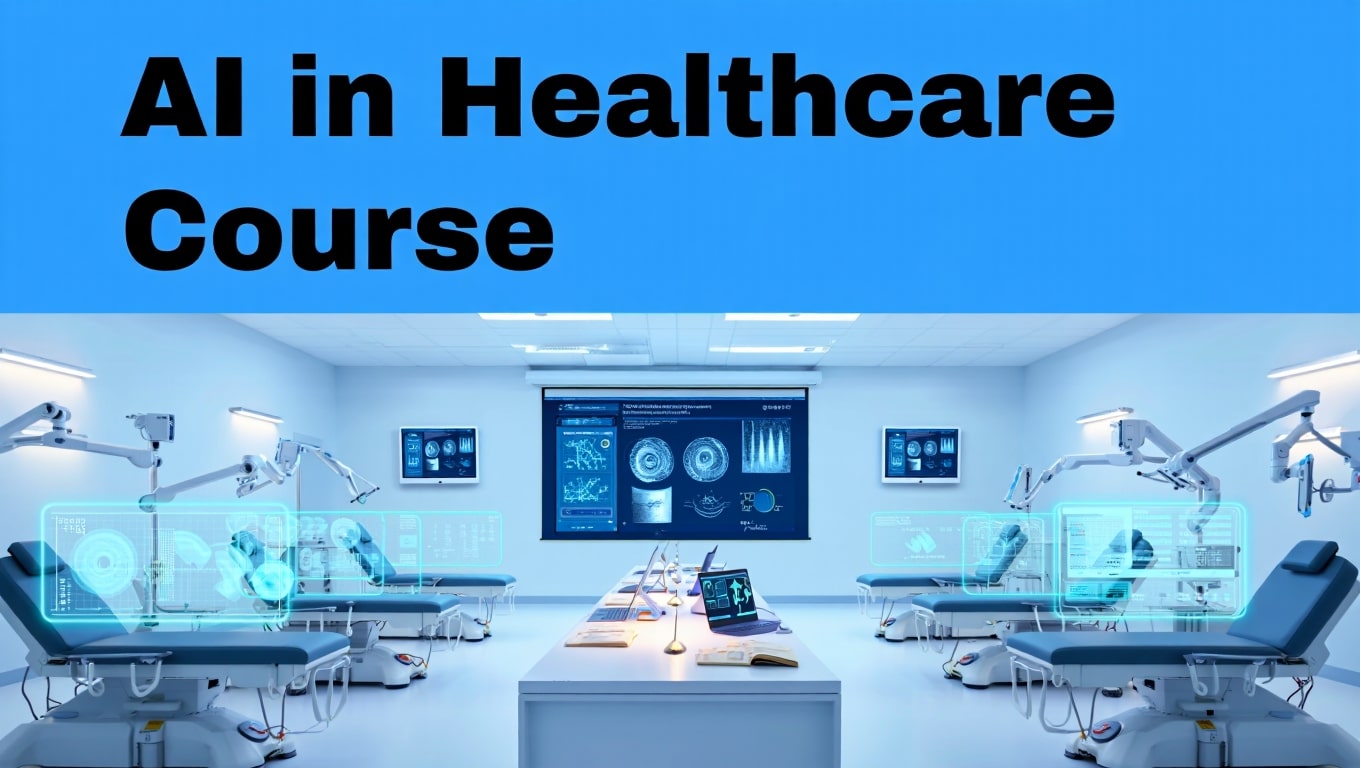
An AI in healthcare course is no longer just an advantage; it’s becoming a crucial requirement for those looking to lead or even participate in the evolving medical landscape.
The healthcare industry stands on the precipice of a monumental transformation, largely driven by the rapid advancements in Artificial Intelligence (AI). From improving diagnostic accuracy to personalizing treatment plans and streamlining administrative tasks.
AI is reshaping how medical care is delivered. This technological revolution necessitates a new breed of healthcare professionals equipped with the knowledge and skills to leverage AI effectively.
These programs bridge the gap between complex AI theories and their practical application in clinical settings, public health, and biomedical research. They offer an unparalleled opportunity to understand the synergy between technology and patient care.
AI in Healthcare Program
An AI in Healthcare Program is designed to empower professionals with the critical understanding and practical skills required to implement AI technologies within various healthcare domains.
These specialized courses delve into the foundational concepts of AI, machine learning, and deep learning, specifically tailored for medical contexts. Participants learn how these technologies can be applied to real-world challenges.
Such programs often cover topics ranging from medical imaging analysis and predictive analytics for disease outbreaks to developing AI-powered diagnostic tools and optimizing hospital operations.
The goal is to cultivate a workforce capable of harnessing AI to improve patient outcomes, enhance operational efficiency, and drive innovation in healthcare. It’s about more than just understanding algorithms; it’s about understanding their impact on human health.
What You’ll Learn in AI Healthcare Courses
Enrolling in an AI healthcare course opens up a world of knowledge at the intersection of technology and medicine. You’ll gain a robust understanding of core AI principles, including supervised and unsupervised learning, neural networks, and natural language processing (NLP). These are the building blocks for any advanced AI application in healthcare.
Beyond the technical fundamentals, courses will typically cover specific applications like medical image analysis, genomics, drug discovery, and personalized medicine. You’ll also explore essential ethical considerations, data privacy regulations (like HIPAA), and the challenges of integrating AI into existing healthcare workflows. The curriculum ensures a holistic view of AI’s role.
- Machine Learning Fundamentals: Grasping algorithms such as regression, classification, and clustering tailored for health data.
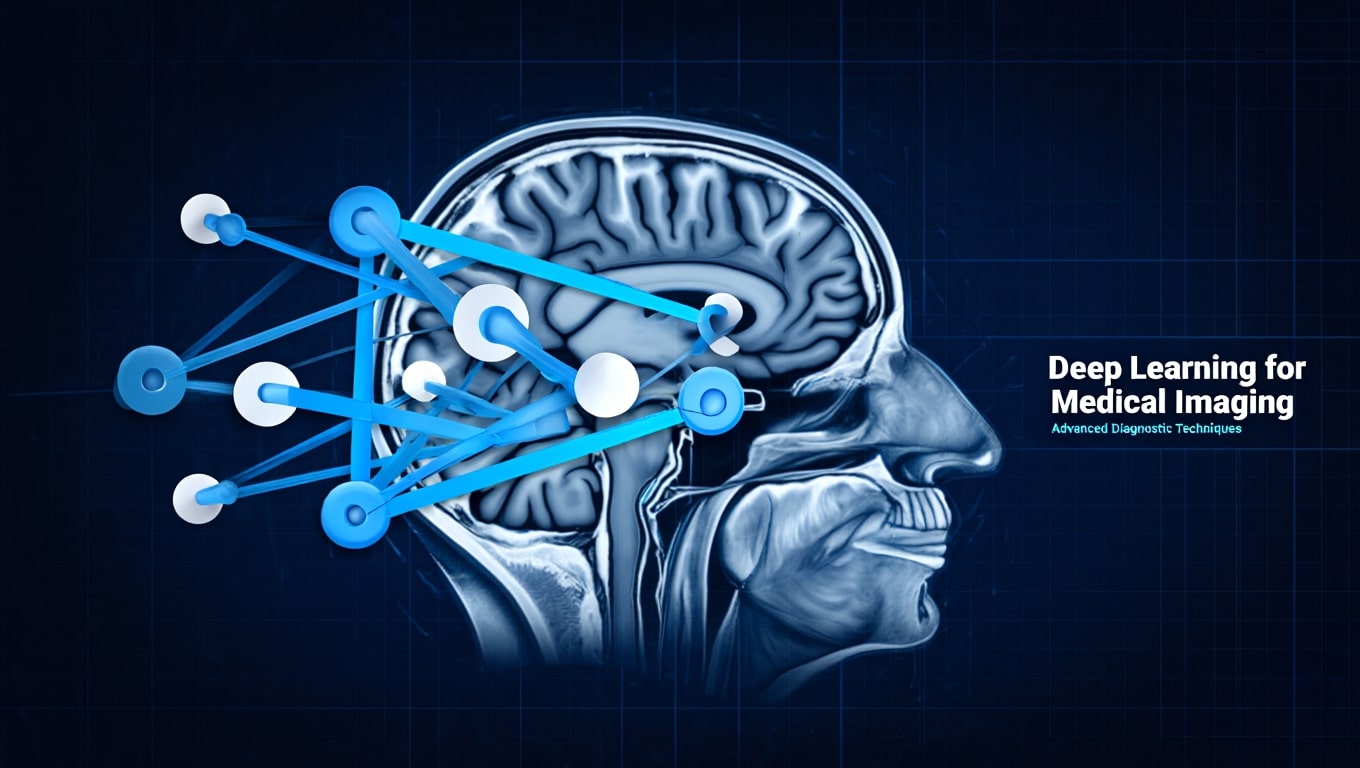
- Deep Learning for Medical Imaging: Applying neural networks to analyze X-rays, MRIs, and CT scans for disease detection.
- Natural Language Processing (NLP) in Healthcare: Extracting valuable insights from electronic health records (EHRs) and clinical notes.
- Predictive Analytics: Developing models to forecast disease progression, patient readmission rates, and population health trends.
- Ethical and Regulatory Aspects of AI: Understanding responsible AI deployment, bias detection, and compliance with healthcare laws.
Skills You’ll Gain from AI Healthcare Training
Participating in an AI healthcare training program equips you with a highly sought-after blend of technical and domain-specific skills. You’ll develop proficiency in programming languages commonly used in AI, such as Python, along with expertise in relevant libraries and frameworks. This practical coding ability is essential for building and deploying AI models.
Furthermore, you’ll hone your data analysis and interpretation skills, learning to preprocess, clean, and visualize complex healthcare datasets. The ability to critically evaluate AI models, understand their limitations, and communicate complex technical concepts to non-technical stakeholders is also a key outcome. These skills are vital for successful AI implementation.
- Data Science Proficiency: Mastering data manipulation, statistical analysis, and visualization techniques using healthcare datasets.
- Machine Learning Model Development: Building, training, and evaluating AI models for tasks like diagnosis, prognosis, and treatment optimization.
- Clinical Data Interpretation: Understanding the nuances of electronic health records, lab results, and genomic data.
- Ethical AI Deployment: Navigating the complex ethical landscape of AI in medicine, ensuring fairness, transparency, and patient safety.
- Interdisciplinary Collaboration: Effectively working with clinicians, data scientists, and ethicists to design and implement AI solutions.
Course Overview
A typical AI in healthcare course provides a structured learning journey, often blending theoretical knowledge with hands-on projects. Most programs begin with an introduction to AI and its historical context in medicine, setting the stage for more specialized topics. This initial phase ensures all participants have a common understanding of the field.
Modules usually progress from fundamental programming and data science skills to advanced machine learning and deep learning algorithms. Practical labs and case studies using real-world medical data are central to reinforcing learning and building applied skills. The culmination often involves a capstone project where students develop and present an AI solution to a healthcare problem.
Key point: The best courses emphasize practical application and ethical considerations, ensuring graduates are not only technically proficient but also responsible innovators.
Key Benefits of AI Healthcare Education
Investing in an AI healthcare education offers numerous tangible benefits for individuals and the broader healthcare system. For professionals, it opens up new career pathways in a rapidly expanding field, making them indispensable assets to hospitals, research institutions, and technology companies. It positions them at the forefront of medical innovation.
Beyond career advancement, this education empowers individuals to directly contribute to solving some of healthcare’s most pressing challenges, from improving diagnostic accuracy and personalizing treatments to enhancing patient engagement and operational efficiency. It fosters a deep understanding of how technology can augment human expertise, not replace it. Ultimately, it drives better patient outcomes and more sustainable healthcare models.
- Career Advancement: Unlock roles such as AI Specialist in Healthcare, Clinical Data Scientist, Medical AI Engineer, or Digital Health Consultant.
- Enhanced Problem-Solving: Apply AI tools to complex clinical, administrative, and public health issues.
- Innovation Leadership: Lead initiatives that integrate AI into healthcare services, pushing boundaries in patient care and research.
- Improved Patient Outcomes: Contribute to earlier diagnoses, more effective treatments, and personalized patient experiences.
- Ethical AI Practice: Develop and deploy AI solutions responsibly, prioritizing patient safety and data privacy.
Certificate Options for AI in Healthcare
For those looking to gain specialized expertise without committing to a full degree, a certificate in AI in healthcare offers an excellent pathway. These programs are often shorter in duration, typically ranging from a few weeks to several months, and are designed to provide focused, practical skills. They cater to busy professionals seeking to upskill or reskill efficiently.
Certificate programs can be offered by universities, online learning platforms, or industry associations. They vary in intensity and depth, with some focusing on specific AI techniques like deep learning for medical imaging, while others provide a broader overview of AI applications in healthcare. Choosing the right certificate depends on your existing knowledge and career goals.
Key point: A reputable certificate validates your expertise and demonstrates your commitment to integrating advanced technology into medical practice, making you a more competitive candidate in the job market.
Who Should Attend AI Healthcare Programs
AI healthcare programs are incredibly diverse, attracting a wide range of professionals from various backgrounds. Clinicians, including doctors, nurses, and allied health professionals, can benefit immensely by learning how AI can augment their diagnostic and treatment capabilities. They gain a deeper understanding of how to interpret AI-generated insights and integrate them into clinical decision-making.
IT and data science professionals already working in healthcare can use these programs to specialize their skills, focusing on medical data challenges and ethical considerations unique to the sector. Additionally, healthcare administrators, policymakers, and public health officials will find these courses valuable for strategizing and implementing AI-driven initiatives across organizations and populations. Essentially, anyone involved in the present or future of healthcare can find value.
- Medical Doctors and Clinicians: To leverage AI for enhanced diagnosis, personalized treatment, and improved patient care.
- Nurses and Allied Health Professionals: To understand how AI impacts patient monitoring, workflow optimization, and administrative tasks.
- Healthcare Administrators and Managers: To drive strategic AI adoption, improve operational efficiency, and lead digital transformation initiatives.
- Data Scientists and IT Professionals: To specialize in their AI and machine learning skills for unique healthcare data challenges and applications.
- Researchers and Academics: To apply advanced AI techniques to biomedical research, drug discovery, and public health studies.
Curriculum of the AI in Healthcare Program
The curriculum of an AI in healthcare program is meticulously structured to provide a comprehensive understanding of both AI principles and their specific applications in medicine. It typically begins with an introduction to healthcare data, its types, sources, and challenges, laying the groundwork for subsequent technical modules. Students learn about the unique nature of medical information.
Core modules often delve into programming with Python, essential statistics, and various machine learning algorithms. Specialized topics then cover areas like deep learning for medical imaging, natural language processing for electronic health records, and predictive modeling for disease risk assessment. Ethical AI, regulatory compliance, and project management are also integral components, ensuring a well-rounded education.
Key point: A strong curriculum balances theoretical knowledge with hands-on practical experience, often culminating in a capstone project where students apply their learned skills to a real-world healthcare problem.
Advance Healthcare with AI-Powered Solutions
The potential to advance healthcare with AI-powered solutions is immense and continues to grow exponentially. AI is revolutionizing diagnosis by enabling more accurate and earlier detection of diseases, often surpassing human capabilities in analyzing complex data like radiology scans or pathology slides. This leads to quicker interventions and better prognoses.
Beyond diagnosis, AI enhances personalized medicine by analyzing genomic data, lifestyle factors, and patient histories to tailor treatments to individual needs. It also streamlines drug discovery, accelerates clinical trials, and optimizes hospital operations, reducing costs and improving efficiency. AI is transforming every facet of the healthcare ecosystem, creating a future where care is smarter, more efficient, and truly patient-centric.
- Precision Medicine: AI analyzes vast datasets to recommend highly individualized treatment plans based on genetics and lifestyle.
- Automated Diagnostics: AI algorithms assist in rapidly identifying anomalies in medical images, potentially catching diseases earlier than human review.
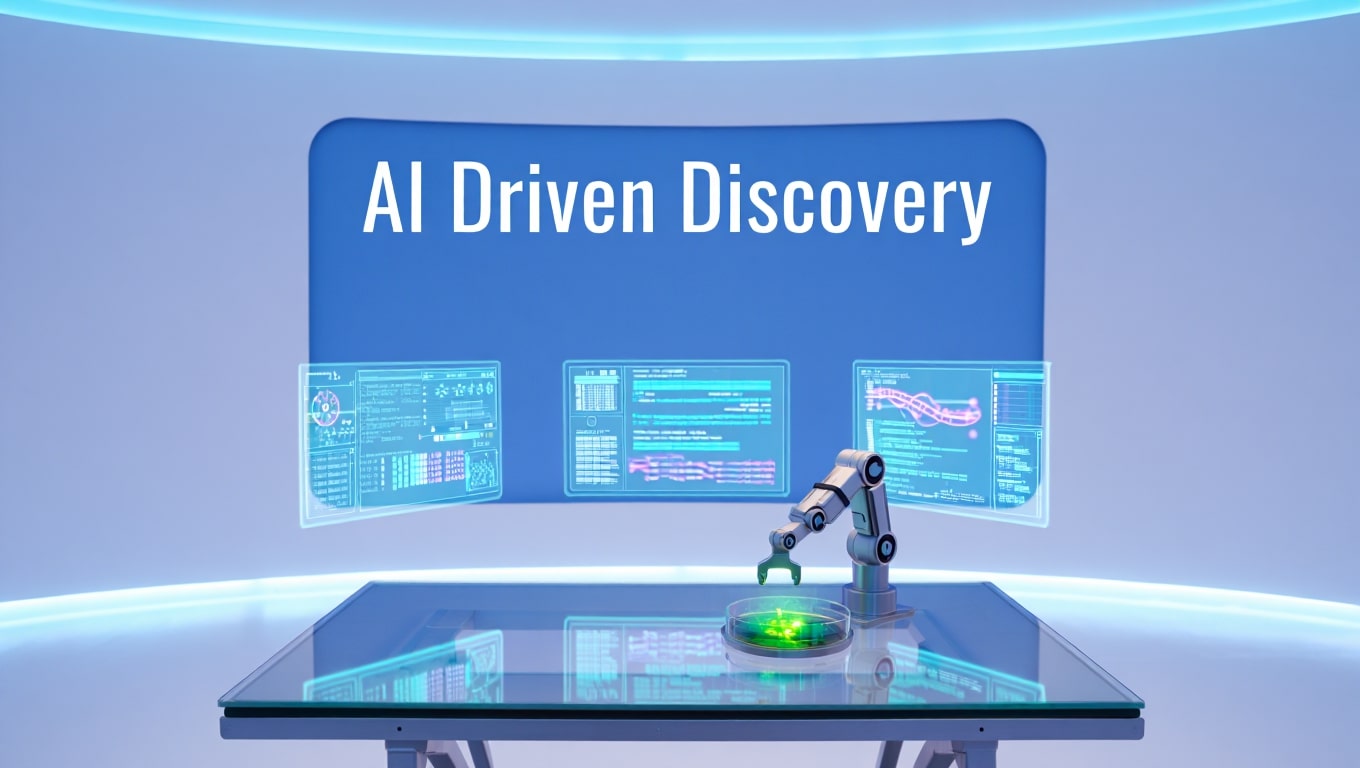
- Drug Discovery Acceleration: AI significantly speeds up the identification of potential drug candidates and predicts their efficacy, reducing development time and cost.
- Operational Efficiency: AI optimizes resource allocation, scheduling, and patient flow within hospitals, leading to better patient experiences and reduced wait times.
- Remote Patient Monitoring: Wearable tech and AI enable continuous monitoring of patient health, allowing for proactive interventions and reducing hospitalizations.
Applications of Machine Learning in Medicine
The applications of machine learning in medicine are broad and continuously expanding, touching nearly every aspect of patient care and healthcare management. One of the most prominent uses is in medical imaging, where machine learning algorithms can detect subtle patterns indicative of diseases such as cancer, retinopathy, or cardiac conditions. This augments the capabilities of radiologists and pathologists.
Predictive analytics, powered by machine learning, helps identify patients at high risk of developing certain diseases, experiencing adverse events, or requiring readmission. This allows for proactive interventions, improving preventative care and resource allocation. Furthermore, natural language processing (NLP), a subset of machine learning, extracts valuable insights from unstructured clinical notes and scientific literature, facilitating research and enhancing clinical decision support systems.
Key point: Machine learning is not just a tool; it’s a transformative force that provides unprecedented insights from complex medical data, leading to more informed decisions and improved patient outcomes.
Comparison Table of Best AI in Healthcare Courses
Choosing the right AI in healthcare course can be daunting, given the variety of options available. This table provides a quick comparison of different types of programs, highlighting their focus, duration, and target audience to help you make an informed decision.
| Course Type | Key Focus Areas | Typical Duration | Target Audience | Provider Examples |
|---|---|---|---|---|
| University Executive Programs | Strategic AI implementation, ethical leadership, policy, and innovation management. | 3-6 months (part-time) | Healthcare executives, senior managers, and clinicians with leadership roles. | Harvard Medical School, Stanford Medicine, Imperial College London. |
| Online Specializations/Certificates | Machine learning, deep learning, NLP, medical imaging analysis, and programming (Python). | 4-12 months (self-paced) | Data scientists, IT professionals, medical students, junior clinicians. | Coursera (e.g., Google, IBM), edX (e.g., MIT, Columbia), Udacity. |
| Bootcamps/Intensive Workshops | Hands-on project work, practical coding skills, and specific tool proficiency. | 1-3 months (full-time) | Individuals seeking rapid skill acquisition, career changers with a technical background. | Various specialized tech bootcamps, industry training providers. |
| Master’s Degrees (e.g., MSc in Health Data Science) | Comprehensive academic foundation in statistics, AI, data ethics, and research methods. | 1-2 years (full-time) | Recent graduates, aspiring researchers, professionals seeking deep academic immersion. | Leading universities with Health Informatics or Data Science departments. |

Pros and Cons of AI Healthcare Programs
Undertaking an AI healthcare program presents a compelling opportunity, yet it’s essential to consider both its advantages and potential drawbacks. Understanding these aspects can help prospective students set realistic expectations and choose the program best suited to their needs. The benefits often outweigh the challenges for those committed to the field.
Pros:
- High Demand for Skills: Graduates are highly sought after in a rapidly growing job market, leading to excellent career prospects and competitive salaries.
- Impactful Contribution: The ability to directly contribute to improving patient care, accelerating medical research, and enhancing public health.
- Interdisciplinary Learning: A unique blend of technology, medicine, and ethics provides a broad, stimulating educational experience.
- Innovation and Leadership: Opportunity to be at the forefront of medical innovation, shaping the future of healthcare delivery.
- Enhanced Decision-Making: Equip professionals with tools to make more data-driven and precise clinical or administrative decisions.
Cons:
- Technical Complexity: Requires a strong aptitude for statistics, programming, and complex algorithms, which can be challenging for some.
- Rapidly Evolving Field: Constant need for continuous learning and adaptation as AI technologies and applications evolve quickly.
- Data Quality Issues: Real-world healthcare data can be messy, incomplete, and biased, posing significant challenges for AI model development.
- Ethical and Regulatory Hurdles: Navigating complex ethical dilemmas, privacy concerns, and stringent regulations specific to healthcare AI.
- High Cost of Some Programs: Advanced degrees and executive programs can be significant financial investments.
Frequently Asked Questions About AI in Healthcare
Prospective students often have questions regarding the nature, requirements, and outcomes of an AI in healthcare course. Here are some common inquiries and their answers to provide further clarity.
Do I need a medical background to enroll in an AI in healthcare program?
While a medical background is beneficial for understanding clinical contexts, many programs also welcome individuals with strong technical or data science backgrounds. Some introductory courses are designed for those new to both fields.
What are the typical prerequisites for these courses?
Prerequisites vary. Most require a bachelor’s degree. Technical programs often ask for proficiency in programming (e.g., Python), mathematics (calculus, linear algebra), and statistics. Clinical programs may require a healthcare professional background.
What kind of career opportunities can I pursue after completing an AI in healthcare course?
Graduates can become AI Specialists in Healthcare, Clinical Data Scientists, Biomedical AI Engineers, Health Informatics Analysts, Digital Health Consultants, or roles in medical research and public health.
How important is ethical training in these programs?
Ethical training is paramount. Due to the sensitive nature of healthcare data and decision-making, understanding bias, privacy, accountability, and regulatory compliance (like HIPAA or GDPR) is a core component of reputable AI in healthcare courses.
Are these programs available online, or are they mostly in-person?
Both options are widely available. Many top universities and online learning platforms offer flexible, fully online programs, making them accessible to professionals worldwide. In-person or hybrid options are also common for more intensive or executive-level courses.
Choosing the Right AI in Healthcare Course
Selecting the ideal AI in healthcare course requires careful consideration of several factors. Begin by assessing your current educational background and professional experience. Are you a clinician looking to understand AI’s impact, or a data scientist aiming to specialize in medical applications? Your starting point will guide your choice.
Next, define your career aspirations. Do you seek a broad overview, specialized technical skills, or an executive-level understanding of AI strategy? Research course curricula to ensure they align with your learning goals and cover the specific AI applications or medical domains that interest you most. Consider the program’s format, duration, and faculty expertise.
Finally, evaluate the institution’s reputation, accreditation, and alumni network. Look for programs with strong industry connections, practical project work, and a focus on ethical AI. Reading reviews and contacting former students can also provide invaluable insights into the learning experience and career outcomes.
Key point: The “right” course is one that perfectly aligns with your current capabilities, future ambitions, and learning style, providing both robust knowledge and practical, in-demand skills.
Why Choose an AI in Healthcare Program
Choosing an AI in healthcare program is a strategic decision for anyone looking to make a significant impact in the medical field. This specialized education provides the critical interdisciplinary skills needed to navigate the evolving landscape where technology and patient care converge. It’s about being prepared for the future, not just reacting to it.
The demand for professionals who understand both medicine and AI is escalating rapidly, making graduates of these programs highly competitive and valuable assets. You’ll gain the ability to innovate, optimize processes, and contribute to groundbreaking advancements that save lives and improve quality of life. It’s an investment in a career that is both intellectually stimulating and profoundly meaningful.
Ultimately, an AI in healthcare program empowers you to be a part of the solution to global health challenges. It’s an opportunity to merge cutting-edge technology with compassionate care, driving a new era of medical discovery and delivery. For those passionate about healthcare and technology, there’s no better time to specialize.
Conclusion
The integration of Artificial Intelligence into healthcare is not a distant future; it’s a rapidly unfolding reality. From revolutionizing diagnostics and drug discovery to personalizing patient care and optimizing hospital operations, AI is fundamentally reshaping the medical landscape. For professionals seeking to thrive in this new era, an AI in healthcare course offers the essential knowledge and practical skills needed to lead the charge.
These specialized programs provide a unique bridge between complex technological concepts and their vital applications in medicine. By equipping individuals with expertise in machine learning, data analysis, and ethical AI deployment, they empower a new generation of healthcare innovators.
Embracing this education is not just about career advancement; it’s about being at the forefront of a movement that promises to deliver more effective, efficient, and equitable healthcare for all. The future of medicine is intelligent, and with the right training, you can be an integral part of shaping it.
Related Category: AI Trends