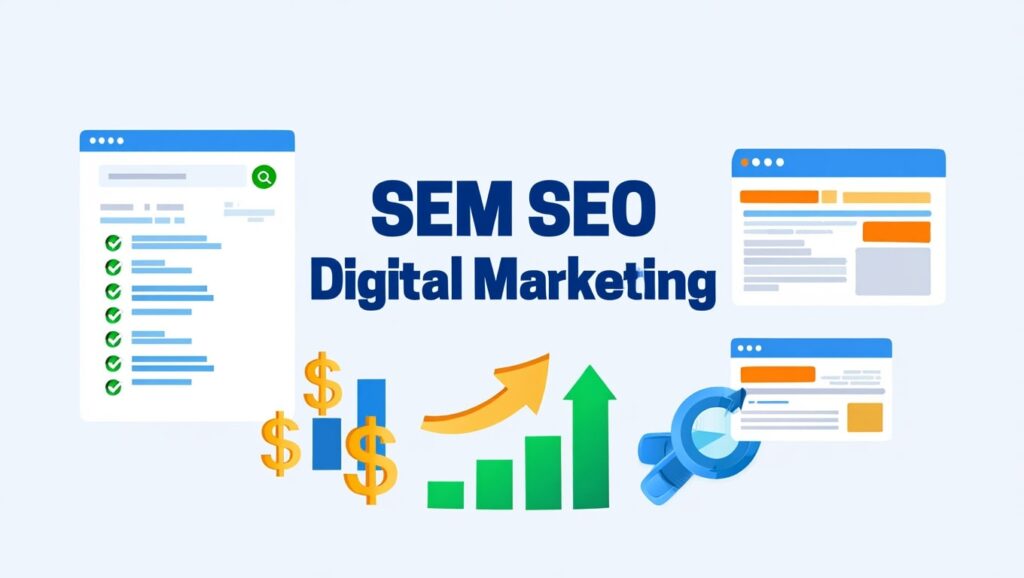
In today’s hyper-connected world, a strong online presence is no longer a luxury but a necessity for businesses aiming for sustainable growth. Digital marketing encompasses a vast array of strategies designed to reach target audiences online, and at its core lie two fundamental pillars: Search Engine Optimization (SEO) and Search Engine Marketing (SEM).
These powerful methodologies are often discussed together, yet they represent distinct approaches to achieving visibility on search engines.
Understanding the nuances of SEO and SEM, how they differ, and crucially, how they can synergistically boost your digital marketing efforts, is paramount for any business professional, marketer, or entrepreneur.
This comprehensive guide will delve into these critical concepts, providing clarity, actionable insights, and a roadmap to harness their combined power for unparalleled online success. We’ll explore their individual mechanisms, costs, timelines, and ultimately, how to integrate them into a cohesive strategy for maximum impact.
Understanding SEO vs SEM: Key Differences
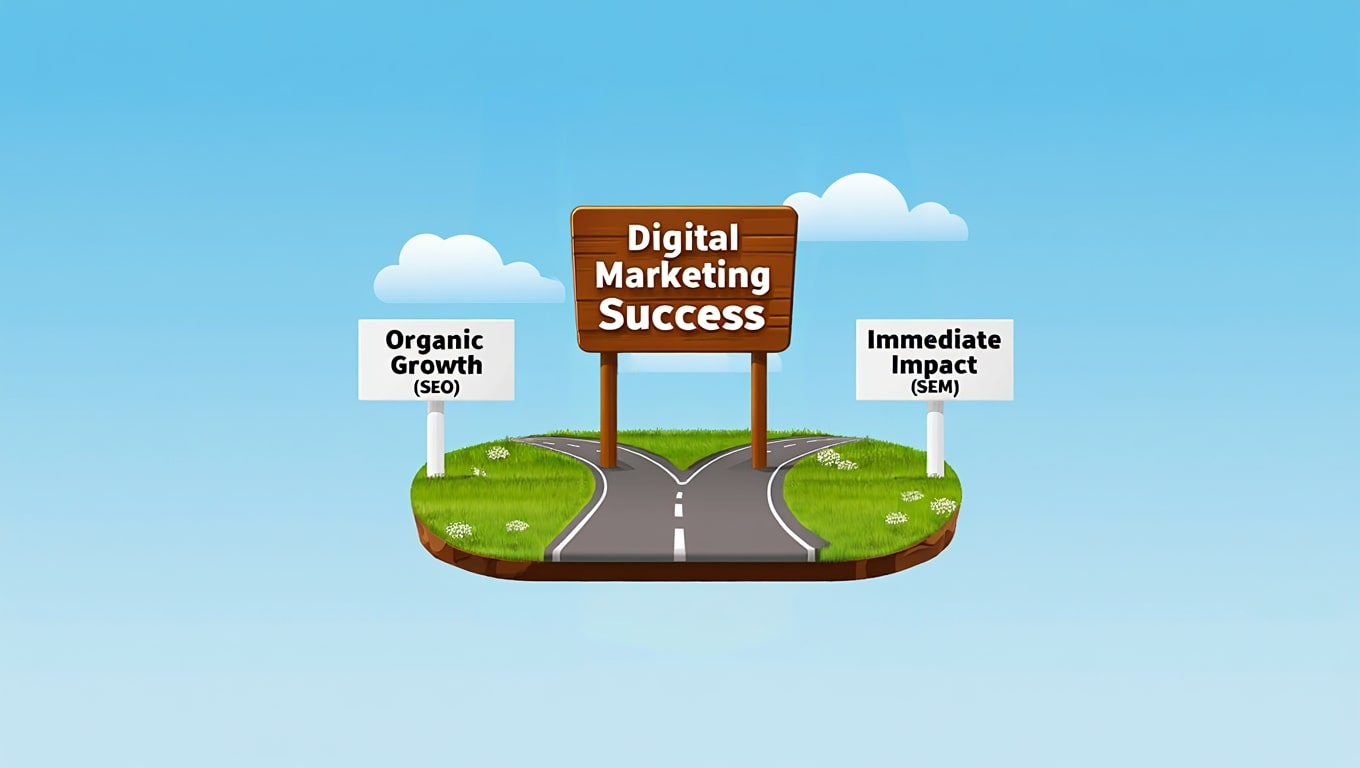
While often used interchangeably or seen as closely related, SEO and SEM refer to distinct, albeit complementary, digital marketing strategies. Both aim to increase visibility on search engine results pages (SERPs), but they achieve this through fundamentally different means. Grasping this distinction is the first step towards formulating an effective online strategy.
Key point: SEM is the broader category that includes SEO, along with paid search advertising. SEO specifically focuses on organic, unpaid search results.
What is SEO? A Comprehensive Overview
Search Engine Optimization, or SEO, is the practice of increasing the quantity and quality of traffic to your website through organic search engine results. It involves a set of techniques and strategies aimed at making your website more appealing and relevant to search engines like Google, Bing, and Yahoo. The ultimate goal is to rank higher on SERPs for specific keywords without paying directly for placement.
SEO is a long-term strategy that builds credibility and authority over time. It requires a deep understanding of how search engines crawl, index, and rank web pages. By optimizing various aspects of your website and its content, you signal to search engines that your site is a valuable resource for users searching for particular information or products.
What is SEM? Understanding Search Engine Marketing
Search Engine Marketing (SEM) is a comprehensive digital marketing strategy used to increase the visibility of a website in search engine results pages (SERPs). While SEO is a component of SEM, SEM itself is the overarching discipline that encompasses both paid and organic strategies. Its primary goal is to drive relevant traffic to a website using all available search engine avenues.
The most common form of SEM beyond SEO is Paid Search Advertising, also known as Pay-Per-Click (PPC). This involves bidding on keywords to have your ads appear at the top or bottom of search results, above or below organic listings. SEM strategists leverage both organic ranking factors and paid campaigns to dominate search results for their target audience.
SEO vs SEM: Key Differences Explained
The core distinction between SEO and SEM lies in how they generate visibility and traffic on search engines. One relies on earning its position, while the other pays for it. Both are crucial elements of a robust digital marketing strategy, but understanding their fundamental differences is vital for effective implementation.
While SEM is the broader term, in common parlance, when people refer to SEM, they often implicitly mean paid search advertising, contrasting it directly with SEO. This table highlights the key differentiating factors between these two powerful approaches.
| Feature | SEO (Search Engine Optimization) | SEM (Search Engine Marketing – Paid Search) |
|---|---|---|
| Cost | Free (organic clicks), but involves investment in time, content creation, and technical optimization. | Paid (Pay-Per-Click model), you pay for each click on your ad. |
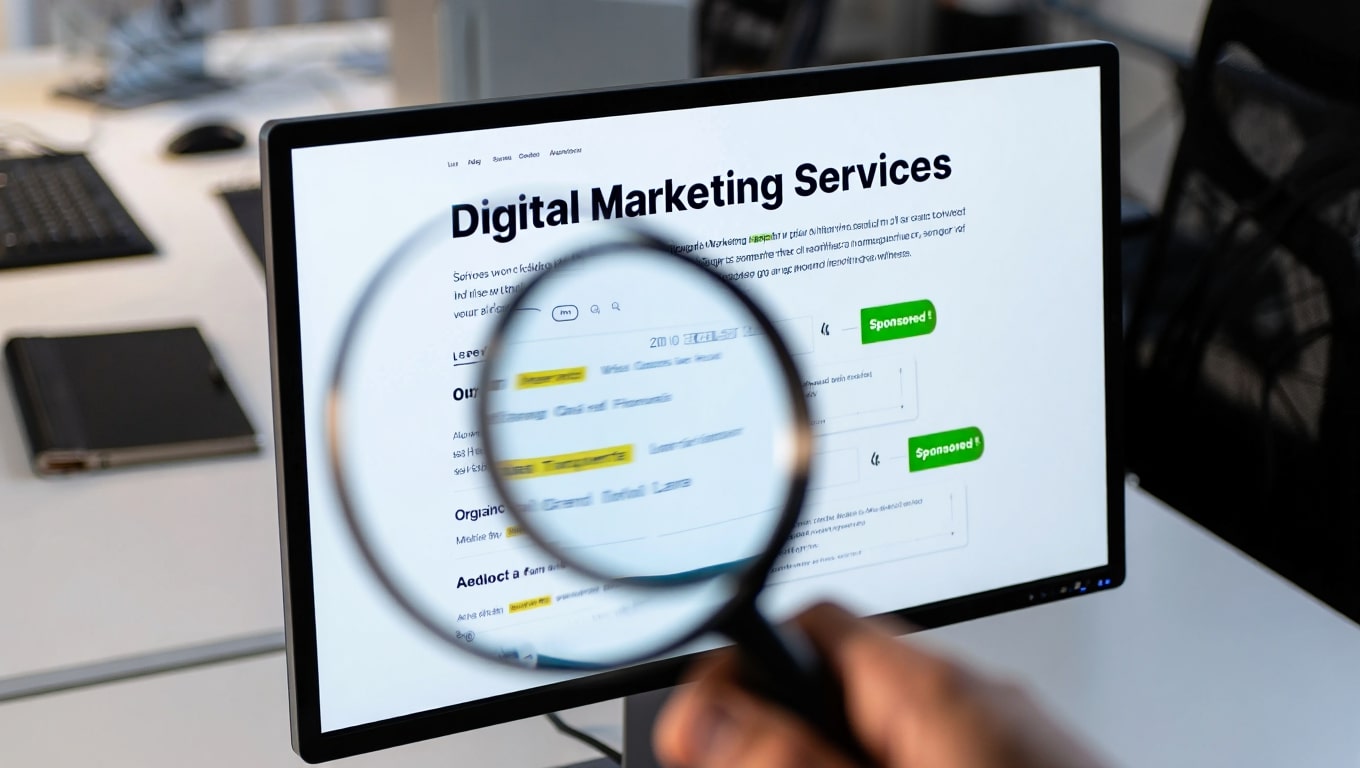
| Placement on SERP | Organic listings (usually below paid ads). | Paid ad listings (typically at the top and bottom of the SERP, marked “Ad”). |
| Speed of Results | Slower, it can take months to see significant results. | Fast ads can appear almost instantly after launch. |
| Visibility | Continuous, once achieved, builds long-term authority. | Disappears once the budget is exhausted or the campaign is paused. |
| Credibility | Often perceived as more credible and trustworthy by users. | Can be effective, but users are aware they are ads. |
| Control | Less direct control over ranking, reliant on algorithm changes. | High control over ad copy, targeting, budget, and bidding strategies. |
How SEO Works: Driving Organic Traffic
SEO operates on the principle of satisfying both search engine algorithms and user intent. It’s a multifaceted process involving technical adjustments, content creation, and external link building. The goal is to make your website the most relevant and authoritative answer to a user’s search query.
To achieve high organic rankings, SEO professionals focus on three main pillars: technical SEO, on-page SEO, and off-page SEO. Each pillar addresses different aspects of a website’s performance and perception by search engines.
- Technical SEO: This involves optimizing the non-content elements of your site to improve its crawlability, indexability, and overall user experience. This includes site speed, mobile-friendliness, site architecture, and secure connections (HTTPS).
- On-Page SEO: This focuses on optimizing the actual content and HTML source code of a page. Key elements include keyword research, optimizing title tags, meta descriptions, header tags, image alt text, and ensuring high-quality, relevant content that matches search intent.
- Off-Page SEO: This refers to activities done outside of your website to improve its search engine ranking. The most important aspect is building high-quality backlinks from other reputable websites, which signals authority and trustworthiness to search engines. Social media signals and brand mentions also contribute.
How SEM Works: Generating Paid Traffic
SEM, particularly paid search advertising, works on an auction-based system where advertisers bid on keywords to display their ads. When a user searches for a particular keyword, relevant ads are shown, and advertisers pay a fee each time their ad is clicked. This is why it’s commonly known as Pay-Per-Click (PPC).
Major platforms like Google Ads and Microsoft Advertising facilitate these campaigns. Advertisers create ads, define their target audience, set budgets, and choose keywords they want their ads to trigger for. The effectiveness of an SEM campaign relies heavily on strategic keyword bidding, compelling ad copy, and relevant landing pages.
- Keyword Research & Bidding: Advertisers identify keywords their target audience uses and bid on them. The bid amount influences ad placement, but Quality Score (relevance of ad, keywords, and landing page) is also a significant factor.
- Ad Creation: Crafting compelling and concise ad copy that includes relevant keywords and a strong call-to-action is crucial. Ads typically include a headline, display URL, and a description.
- Landing Page Optimization: The page users land on after clicking the ad must be highly relevant to the ad copy and keywords. A poor landing page experience can lead to higher costs and lower conversion rates.
- Audience Targeting: SEM allows for highly granular targeting based on demographics, geographic location, device type, time of day, and even user interests or past behavior.
- Budget Management & Monitoring: Advertisers set daily or monthly budgets and continuously monitor campaign performance to optimize bids, ad copy, and targeting for better ROI.
SEO vs SEM: How Long Does It Take to See Results
The timeline for seeing tangible results is one of the most significant distinguishing factors between SEO and SEM. This difference often influences a business’s initial digital marketing investment decisions, particularly when immediate impact is a priority. Understanding these timelines helps set realistic expectations and plan resources effectively.
SEO is a long-term game that builds organic authority and trust over time. SEM, on the other hand, offers almost immediate visibility, making it suitable for quick campaigns and rapid traffic generation.
- SEO Results: Typically, it takes 3 to 6 months to start seeing noticeable improvements in organic rankings and traffic for new websites or those with limited prior optimization. For highly competitive keywords, this timeline can extend to 6-12 months or even longer to achieve top positions. The impact is cumulative and sustainable, growing steadily over time.
- SEM Results: You can see results from SEM campaigns almost immediately. Once your ads are approved and launched, they can start appearing in search results within minutes or hours. Traffic and conversions can begin flowing as soon as clicks occur. This rapid visibility is a major advantage for urgent promotions or new product launches.
SEO vs SEM: How Much They Cost
The cost structure for SEO and SEM varies dramatically, reflecting their different operational models. While SEO doesn’t involve direct payment per click, it still requires significant investment. SEM, specifically PPC, has a direct cost associated with every user interaction.
Understanding these cost implications is crucial for budget allocation and determining the return on investment (ROI) for your digital marketing efforts. Both strategies can be expensive, but the nature of the expense differs considerably.
| Cost Factor | SEO (Search Engine Optimization) | SEM (Paid Search Advertising) |
|---|---|---|
| Direct Traffic Cost | None (clicks are “free” once ranked). | Pay-per-click (PPC) model; cost per click varies by keyword competition. |
| Implementation Costs |
|
|
| Scalability | Scales organically with content and authority; higher traffic doesn’t directly increase per-click cost. | Highly scalable by increasing budget; more traffic directly increases costs. |
| ROI Timeline | Long-term, sustainable ROI; value compounds over time. | Potentially immediate ROI; results stop when the budget runs out. |
Pros and Cons of SEO vs SEM
Both SEO and SEM offer unique advantages and disadvantages that make them suitable for different business objectives and stages. A balanced understanding of these points is crucial for making informed decisions about your digital marketing investments.
Neither strategy is universally superior; rather, their effectiveness depends on specific goals, budget constraints, and desired timelines. Let’s break down the key pros and cons of each approach to help you weigh your options.
Pros of SEO:
- Cost-Effective Traffic: Once ranked, organic clicks are free, providing a potentially high ROI over the long term.
- Increased Credibility & Trust: High organic rankings are often seen as a mark of authority and trustworthiness by users.
- Sustainable Results: Organic rankings, once achieved, tend to be more stable and long-lasting than paid ad placements.
- Improved User Experience: SEO optimization often leads to a better overall website experience, benefiting all visitors.
- Brand Awareness: Consistent high rankings enhance brand visibility and recognition.
Cons of SEO:
- Slow Results: It takes significant time and consistent effort to see meaningful results.
- Algorithm Dependency: Rankings can fluctuate with search engine algorithm updates, requiring continuous adaptation.
- No Guaranteed Ranking: There’s no guarantee of specific ranking positions, even with dedicated effort.
- Resource Intensive: Requires ongoing content creation, technical maintenance, and link building.
Pros of SEM (Paid Search):
- Immediate Visibility: Ads can appear at the top of SERPs almost instantly, driving rapid traffic.
- Highly Targeted: Precise targeting options allow you to reach specific demographics, locations, and interests.
- Full Control: Complete control over ad copy, budget, bidding, and campaign duration.
- Measurable ROI: Detailed analytics provide clear insights into performance, allowing for quick optimization.
- Quick A/B Testing: Easy to test different ad copies, keywords, and landing pages to find what works best.
Cons of SEM (Paid Search):
- Cost Per Click (CPC): You pay for every click, which can become expensive, especially for competitive keywords.
- Temporary Visibility: Ads disappear as soon as your budget runs out or the campaign is paused.
- Ad Fatigue: Users may become desensitized to ads or actively avoid them.
- Requires Constant Monitoring: Campaigns need continuous optimization to maintain efficiency and ROI.
SEO vs SEM: Which Strategy is Right for You?
Deciding between SEO and SEM (or how to prioritize them) depends heavily on your business goals, available budget, timeline for results, and the competitive landscape of your industry. There’s no one-size-fits-all answer, as the optimal strategy often combines elements of both.
Consider the following factors to determine which approach, or combination, aligns best with your current needs. It’s important to be honest about your resources and what you aim to achieve in both the short and long term.
- For immediate visibility and lead generation: If you need to drive traffic and sales quickly, SEM is often the preferred choice. It’s excellent for new product launches, seasonal promotions, or businesses needing immediate customer acquisition.
- For long-term brand building and sustainable traffic: SEO is your foundation. Investing in SEO builds a lasting asset, enhancing your website’s authority and providing a steady stream of “free” organic traffic over time.
- If the budget is very limited but time is not, SEO can be pursued with a smaller monetary investment, focusing on internal content creation and technical fixes. However, it requires significant time and effort.
- If you’re in a highly competitive niche, both are likely necessary. SEM can help you compete immediately for high-value keywords while SEO works to secure your long-term organic presence.
- To test keywords and market demand: SEM allows for rapid testing of keywords and messaging. What works well in paid campaigns can then inform your SEO content strategy.

How SEO and SEM Work Together for Maximum Impact
The most effective digital marketing strategies don’t treat SEO and SEM as mutually exclusive options. Instead, they integrate them into a cohesive approach where each strategy complements and amplifies the other. This synergy leads to greater overall online visibility, increased traffic, and improved conversion rates.
Combining SEO and SEM allows businesses to dominate the search engine results page (SERP), capturing both immediate and long-term opportunities. By leveraging the strengths of each, you can cover more ground and secure a stronger digital footprint.
One common strategy is to use SEM to quickly gain visibility for keywords where your SEO is still developing. Once your organic rankings improve, you can shift your SEM budget to other keywords or focus on capturing additional market share. The data gathered from SEM campaigns (e.g., high-converting keywords, effective ad copy) can also provide invaluable insights to refine your SEO strategy.
Benefits of Combining SEO and SEM Strategies
Integrating SEO and SEM isn’t just about covering all bases; it’s about creating a powerful, self-reinforcing digital marketing ecosystem. The benefits extend beyond simple visibility, impacting everything from data intelligence to user perception and overall marketing efficiency.
When these two disciplines work in harmony, they deliver a compounded effect that significantly outperforms using either strategy in isolation. Here are some key advantages of a combined approach:
- Maximized SERP Real Estate: Appear multiple times on the same search results page (once organically, once via paid ad), increasing your chances of getting clicked.
- Enhanced Data Intelligence: SEM provides immediate data on keyword performance, conversion rates, and user behavior that can inform and accelerate SEO content and keyword strategies.
- Improved Brand Visibility & Recall: Seeing your brand multiple times (organic and paid) builds stronger brand recognition and trust among users.
- Mitigation of Risk: If organic rankings drop due to algorithm changes, paid ads can act as a safety net to maintain traffic. Conversely, if ad campaigns become too expensive, a strong organic presence ensures continued visibility.
- Efficient Keyword Targeting: Use paid ads to target highly competitive, high-volume keywords immediately, while simultaneously building organic authority for those same terms over time.
- Accelerated Learning Curve: Quickly identify high-converting keywords and ad copy through PPC, then incorporate those insights into your organic content and meta descriptions for SEO.
- Support for All Stages of the Buyer Journey: SEO often catches users early in their research phase, while SEM can target those closer to making a purchase decision with direct offers.
FAQ: Common Questions About SEO and SEM
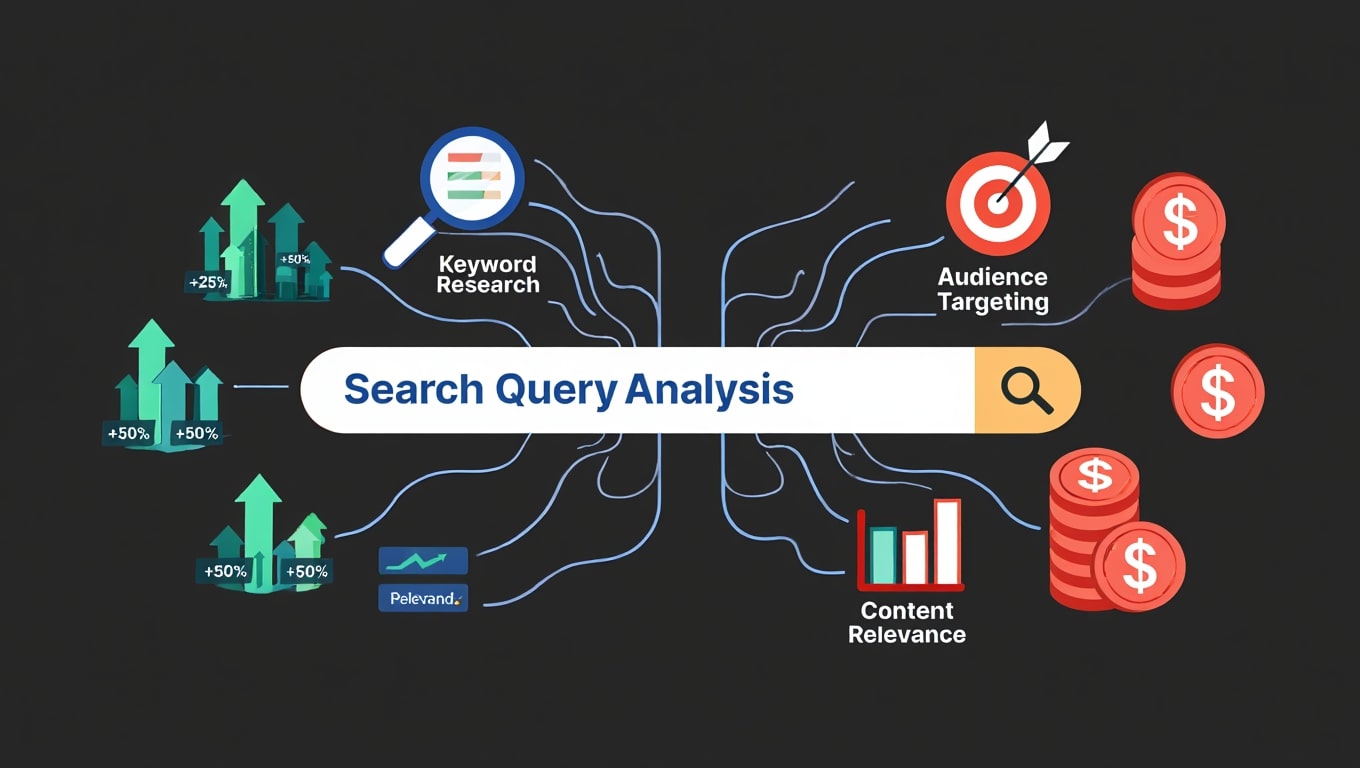
Navigating the world of search engine marketing often brings up a number of questions, especially when distinguishing between SEO and SEM. Here, we address some of the most frequently asked questions to provide further clarity and practical insights.
Understanding these common queries can help solidify your grasp of these essential digital marketing strategies and empower you to make more informed decisions for your business.
Q: Is SEM just PPC?
A: Not exactly. SEM is the broader category that encompasses all efforts to gain visibility on search engines, including both paid search advertising (PPC) and organic search engine optimization (SEO). While many use SEM synonymously with PPC, it technically includes SEO as well.
Q: Which is more important for a new business, SEO or SEM?
A: For a new business, SEM (PPC) can provide immediate visibility and traffic, allowing you to test market demand, keywords, and conversion pathways quickly. Simultaneously, a strong foundation in SEO should be laid to build long-term, sustainable organic traffic and authority. Often, a blended approach is best.
Q: Can I do SEO and SEM myself, or do I need an agency?
A: While it’s possible to learn and implement basic SEO and SEM techniques yourself, especially for smaller businesses, achieving expert-level results often requires specialized knowledge, experience, and dedicated tools. Many businesses find it more effective to hire an agency or an experienced professional for optimal performance.
Q: Does paid advertising (SEM) affect my organic rankings (SEO)?
A: Directly, no. Running paid ads does not directly boost your organic search rankings. However, there can be indirect benefits. Increased brand visibility from ads can lead to more organic searches for your brand name, and the data from paid campaigns can inform your SEO strategy by identifying high-performing keywords and content.
Q: How do I measure the success of my SEO and SEM efforts?
A: For SEO, key metrics include organic traffic, keyword rankings, bounce rate, time on page, and conversion rates from organic traffic. For SEM, you’ll look at clicks, impressions, click-through rate (CTR), cost per click (CPC), cost per acquisition (CPA), and return on ad spend (ROAS). Google Analytics and Google Search Console are essential tools for tracking both.
SEO vs SEM: Final Recommendations
After exploring the distinct characteristics, benefits, and challenges of SEO and SEM, it’s clear that both are indispensable tools in the digital marketer’s arsenal. The question isn’t whether to choose one over the other, but rather how to strategically integrate them for optimal results.
Our final recommendation is to adopt a holistic approach, where SEO lays the groundwork for long-term organic growth and brand authority, while SEM provides immediate visibility, accelerates testing, and captures short-term opportunities. This combined strategy maximizes your presence on search engine results pages, ensuring you reach users at every stage of their buying journey.
Key Takeaway: For sustainable online success, prioritize building a strong SEO foundation while strategically leveraging SEM for immediate impact and accelerated learning. Adapt your allocation of resources based on your business objectives, market dynamics, and performance data.
Implementing Your SEO and SEM Strategy
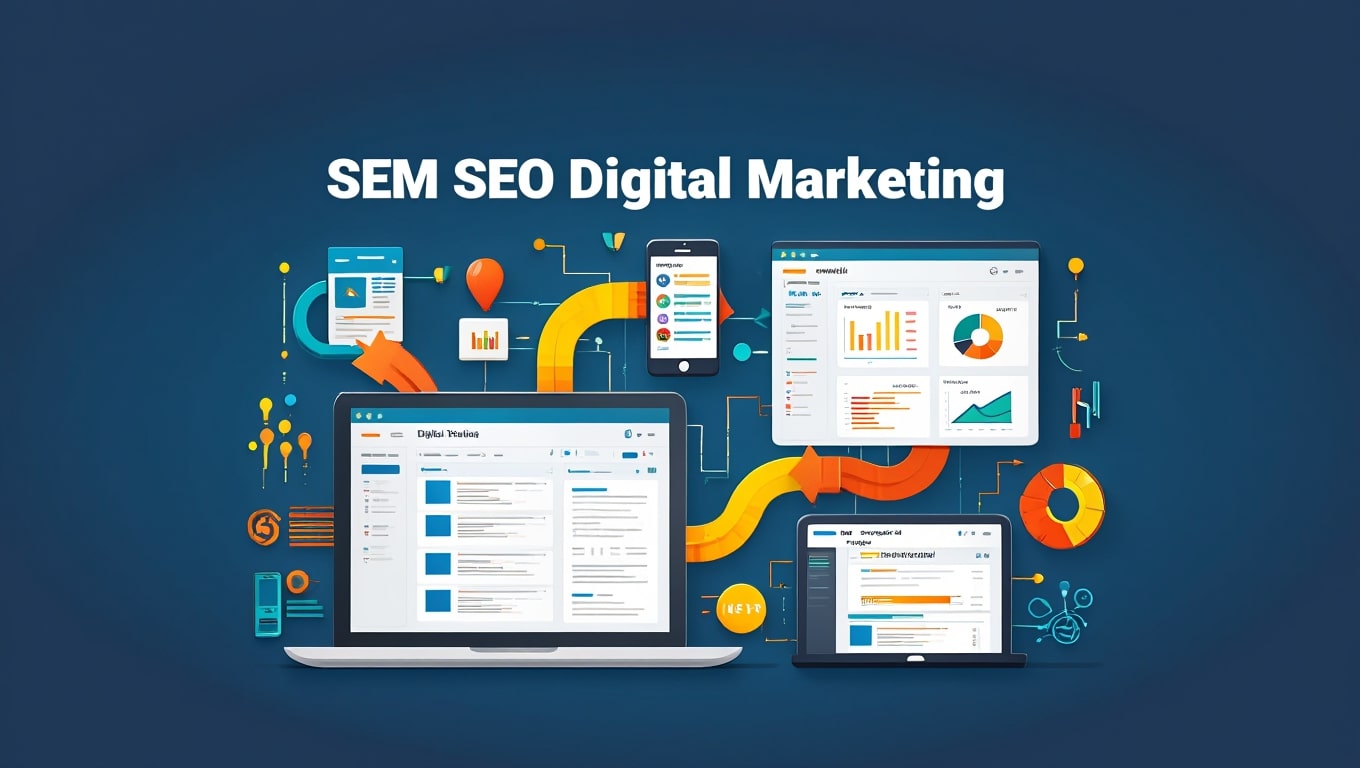
Implementing a successful combined SEO and SEM strategy requires careful planning, consistent execution, and continuous optimization. It’s not a set-it-and-forget-it endeavor but rather an ongoing process that evolves with your business goals and the ever-changing digital landscape.
Start by defining clear, measurable objectives for both your organic and paid efforts. Conduct thorough keyword research to identify both high-intent terms for immediate SEM targeting and long-tail keywords for long-term SEO content creation.
Ensure your website has a solid technical SEO foundation and is producing high-quality, relevant content regularly. Simultaneously, launch targeted PPC campaigns for your most critical products or services, closely monitoring their performance. Use the data from your paid campaigns to refine your SEO strategy, and vice versa. Regularly review analytics, make data-driven adjustments, and stay updated on search engine algorithm changes and advertising platform features. This iterative process of planning, executing, measuring, and optimizing will be key to unlocking maximum impact from your combined SEO and SEM efforts.
In the dynamic realm of digital marketing, achieving and maintaining online visibility is crucial for any business seeking to thrive. Both Search Engine Optimization (SEO) and Search Engine Marketing (SEM) offer distinct yet powerful pathways to connect with your target audience through search engines. While SEO focuses on earning organic rankings through credibility and relevance over time, SEM provides immediate, targeted visibility through paid advertising.
The most effective strategy isn’t to choose one over the other, but rather to integrate them into a harmonious digital marketing ecosystem. By combining SEO’s long-term sustainability and trust-building with SEM’s immediate impact and granular control, businesses can dominate search results, gather invaluable data, and accelerate their path to sustained online growth. Embracing a comprehensive approach to “SEM SEO digital marketing” is the key to unlocking your brand’s full potential in the competitive digital landscape.
Related Category: Business Trends