In today’s hyper-connected world, a strong digital presence is not just an advantage—it’s a necessity for business survival and growth. From small startups to multinational corporations, every entity strives to capture the attention of its target audience online.
However, navigating the complex landscape of search engine optimization (SEO), social media marketing, content creation, and paid advertising can be overwhelming. This is where the best digital marketing companies come into play, offering specialized expertise and proven strategies to elevate your brand.
Choosing the right digital marketing partner is a pivotal decision that can significantly impact your return on investment and long-term success.
This comprehensive guide will walk you through everything you need to know, from understanding the core concepts of digital marketing to identifying the perfect agency that aligns with your specific business goals. We’ll explore various services, emerging trends, and practical tips to help you make an informed choice and unlock your brand’s full online potential.
What is Digital Marketing, and what are its benefits for your projects?
Digital marketing encompasses all marketing efforts that use an electronic device or the internet. Businesses leverage digital channels such as search engines, social media, email, and other websites to connect with current and prospective customers. It’s a broad field that continually evolves with technological advancements and changes in consumer behavior.
The benefits of digital marketing for any project or business are immense and transformative. Firstly, it offers unparalleled reach, allowing you to connect with a global audience irrespective of geographical boundaries. Unlike traditional marketing, digital strategies are highly measurable, providing detailed insights into campaign performance, customer behavior, and ROI. This data-driven approach enables continuous optimization and more effective resource allocation.
Secondly, digital marketing is often more cost-effective than traditional methods, particularly for small and medium-sized enterprises (SMEs). It allows for precise targeting, ensuring your message reaches the most relevant audience, which minimizes wasted ad spend. Furthermore, it fosters stronger customer engagement through interactive content, personalized communication, and immediate feedback channels, building loyalty and advocacy.
Key benefit: Digital marketing provides measurable results and greater reach at often lower costs compared to traditional marketing.

How to Choose the Right Digital Marketing Agency
Selecting the ideal digital marketing agency is a crucial step that can make or break your online strategy. It’s not just about finding a company; it’s about finding a partner who understands your vision and can translate it into tangible online success. Begin by clearly defining your business goals and what you hope to achieve through digital marketing, whether it’s increased brand awareness, lead generation, or higher sales.
Research is paramount. Look for agencies with a proven track record in your industry or a similar niche. Examine their past client portfolios, case studies, and testimonials to gauge their expertise and results. Pay close attention to their communication style and transparency; a good agency will keep you informed, provide regular reports, and be upfront about their strategies and pricing.
Consider their team’s specialization and certifications. Do they have experts in SEO, PPC, content marketing, and analytics? A well-rounded team often indicates a comprehensive approach. Finally, assess their cultural fit and responsiveness. A strong working relationship built on trust and mutual understanding is essential for a successful long-term partnership.
Top Digital Marketing Agencies in Dhaka
Dhaka, the bustling capital of Bangladesh, is rapidly emerging as a hub for digital innovation, with numerous agencies offering cutting-edge digital marketing services. The competitive landscape in Dhaka offers businesses a diverse selection of agencies, each with distinct strengths and specializations. When looking for a top agency in this dynamic market, it’s important to consider those that demonstrate a deep understanding of local consumer behavior and market trends while also being adept at global best practices.
Agencies like WebAble Digital are often cited for their integrated marketing solutions, focusing on creative campaigns and data-driven strategies for a diverse clientele. Similarly, Magnito Digital has established itself with a strong portfolio in content creation, social media management, and digital advertising, catering to both local and international brands. These companies often pride themselves on delivering measurable results and fostering strong client relationships.
Other notable agencies, such as Geeky Social, specialize in specific areas like performance marketing and technical SEO, offering tailored solutions for businesses looking for specialized expertise. When evaluating agencies in Dhaka, look for those that exhibit a strong local presence, provide transparent reporting, and offer case studies relevant to the Bangladeshi market. Always conduct thorough due diligence, including checking client reviews and discussing your specific needs in detail, to find the best fit for your projects.
List of the Best Digital Marketing
Identifying the absolute “best” digital marketing companies globally can be subjective, as the ideal agency often depends on a business’s specific needs, budget, and industry. However, certain characteristics and firms consistently stand out for their innovation, results, and comprehensive service offerings. These agencies typically blend cutting-edge technology with creative strategies to deliver exceptional client outcomes across various sectors.
Many top-tier agencies are part of larger global networks, such as those under WPP, Publicis Groupe, or Omnicom Group, which house numerous specialized digital firms. These networks offer a vast array of services, from global brand strategy to highly targeted local campaigns. Within this landscape, you’ll find agencies like Ogilvy (known for integrated marketing and advertising), VMLY&R (focused on brand experience and customer relationship management), and specialized performance marketing agencies.
Beyond these giants, boutique agencies often excel in specific niches, offering personalized service and deep expertise. The “best” also includes companies renowned for their innovation in areas like artificial intelligence in marketing, advanced analytics, and immersive digital experiences. Look for agencies that prioritize data-driven decisions, demonstrate strong ethical practices, and continuously adapt to the evolving digital landscape. Their ability to deliver measurable ROI and foster long-term client relationships is a hallmark of excellence.
Digital Marketing Services Explained
Digital marketing encompasses a wide array of services designed to enhance a brand’s online visibility and achieve specific business objectives. Understanding these services is crucial when evaluating potential agency partners. Each service plays a unique role in a holistic digital strategy.
- Search Engine Optimization (SEO): This service focuses on improving your website’s visibility in search engine results. It involves technical SEO (site speed, mobile-friendliness), on-page SEO (keyword optimization, content quality), and off-page SEO (link building). Effective SEO drives organic traffic, which is highly valuable.
- Pay-Per-Click (PPC) Advertising: PPC involves bidding on keywords to display ads at the top of search engine results pages or on social media platforms. Platforms like Google Ads and Meta Ads (Facebook/Instagram) are key. It offers immediate visibility and precise targeting, making it excellent for lead generation and quick sales.
- Social Media Marketing (SMM): SMM leverages platforms like Facebook, Instagram, LinkedIn, and Twitter to build brand awareness, engage with customers, and drive traffic. It includes content creation, community management, and paid social advertising campaigns.
- Content Marketing: This involves creating and distributing valuable, relevant, and consistent content to attract and retain a clearly defined audience. Examples include blog posts, articles, videos, infographics, e-books, and podcasts. It supports SEO, builds authority, and nurtures leads.
- Email Marketing: A highly effective direct marketing channel, email marketing involves sending commercial messages to a group of people via email. This includes newsletters, promotional offers, welcome series, and abandoned cart reminders, all aimed at nurturing leads and driving conversions.
- Website Design and Development: A user-friendly, aesthetically pleasing, and technically sound website is the foundation of any digital marketing effort. Agencies offer services ranging from responsive design and e-commerce development to ongoing maintenance and optimization for performance and user experience (UX).
- Analytics and Reporting: Monitoring and analyzing data from all digital channels is crucial for understanding campaign performance and identifying areas for improvement. Agencies provide detailed reports on key metrics, offering insights into ROI and strategic adjustments.
How Digital Marketing Is Becoming A Global Growth Engine
Digital marketing has transcended traditional geographical barriers, evolving into a potent global growth engine for businesses of all sizes. The internet provides an unprecedented platform for companies to reach international markets without the enormous overheads associated with physical expansion. This accessibility democratizes global trade, allowing even small businesses to compete on an international stage.
One of the primary drivers of this global growth is the ability to target diverse audiences with precision. Advanced analytics and segmentation tools allow marketers to tailor campaigns to specific cultures, languages, and consumer behaviors in different regions. This personalization fosters deeper connections and significantly boosts conversion rates, making global expansion more efficient and effective than ever before.
Furthermore, digital platforms enable scalable growth. Campaigns can be scaled up or down based on market response, making it less risky to test new international markets. The constant flow of data provides immediate feedback, allowing for rapid adjustments to strategy. This agility, combined with the cost-effectiveness of digital channels, empowers businesses to tap into new revenue streams and establish global brand recognition, ultimately making digital marketing an indispensable tool for worldwide economic expansion.
Pros and Cons of Hiring a Digital Marketing Agency
Deciding whether to hire an in-house team or outsource digital marketing to an agency is a common dilemma for businesses. Both approaches have distinct advantages and disadvantages that should be carefully weighed against your specific needs and resources.
Pros of Hiring a Digital Marketing Agency:
- Expertise and Specialization: Agencies bring a team of specialists in various fields (SEO, PPC, content, social media) under one roof, offering diverse and deep expertise that an in-house team might lack.
- Access to Advanced Tools and Technology: Agencies invest in premium tools and software for analytics, automation, and campaign management, which might be too costly for individual businesses.
- Cost-Effectiveness: While an agency fee might seem high, it can often be more cost-effective than hiring a full in-house team with equivalent skill sets, including salaries, benefits, and training.
- Fresh Perspectives and Innovation: Agencies work with multiple clients across different industries, giving them broader insights and fresh ideas that can be applied to your business.
- Scalability and Flexibility: You can scale services up or down based on your evolving needs without the complexities of hiring or laying off staff.
- Time-Saving: Outsourcing frees up your internal team to focus on core business operations, improving overall efficiency.
Cons of Hiring a Digital Marketing Agency:
- Less Control and Oversight: You might have less direct control over daily tasks and immediate decision-making compared to an in-house team.
- Potential for Misalignment: Agencies may not always fully grasp your company culture, brand voice, or internal processes, potentially leading to communication gaps or off-brand messaging.
- Cost (Perceived): The retainer fees can be substantial, especially for full-service agencies, which might be a barrier for very small businesses.
- Communication Challenges: Time zone differences, varying communication styles, or slow responses can sometimes hinder progress and efficiency.
- Dependency: Over-reliance on an agency can leave you vulnerable if the partnership sours or the agency undergoes significant changes.
Finding Your Perfect Match: Agency Selection Tips
The journey to finding the best digital marketing company is much like a thorough hiring process. It requires diligence, clarity, and a forward-thinking approach to ensure a successful partnership. Your objective isn’t just to find an agency, but to find the *right* agency for your unique business needs and aspirations.
Start by defining your goals clearly. What specific outcomes do you want to achieve? Is it lead generation, brand awareness, e-commerce sales, or perhaps a combination? This clarity will help you filter agencies that specialize in your target areas. Next, conduct extensive research. Look beyond glossy websites and delve into their case studies, client testimonials, and industry awards. Pay attention to agencies that have demonstrated success in your industry or with businesses of similar size.
During the vetting process, schedule discovery calls and interviews with several shortlisted agencies. Ask pertinent questions about their strategies, reporting methods, team structure, and how they handle client communication. Request a proposal that clearly outlines their proposed strategy, KPIs, timelines, and pricing structure.
Don’t shy away from asking for client references and actually contacting them. A good agency will be transparent and confident in its past work. Finally, consider the cultural fit. A collaborative and communicative relationship is vital for long-term success, ensuring that the agency becomes an extension of your own team.
What Is Content Marketing? Definition, Strategy, and Examples
Content marketing is a strategic marketing approach focused on creating and distributing valuable, relevant, and consistent content to attract and retain a clearly defined audience—and, ultimately, to drive profitable customer action. It’s about providing useful information and entertainment, rather than overtly selling, to build trust and authority with your target market.
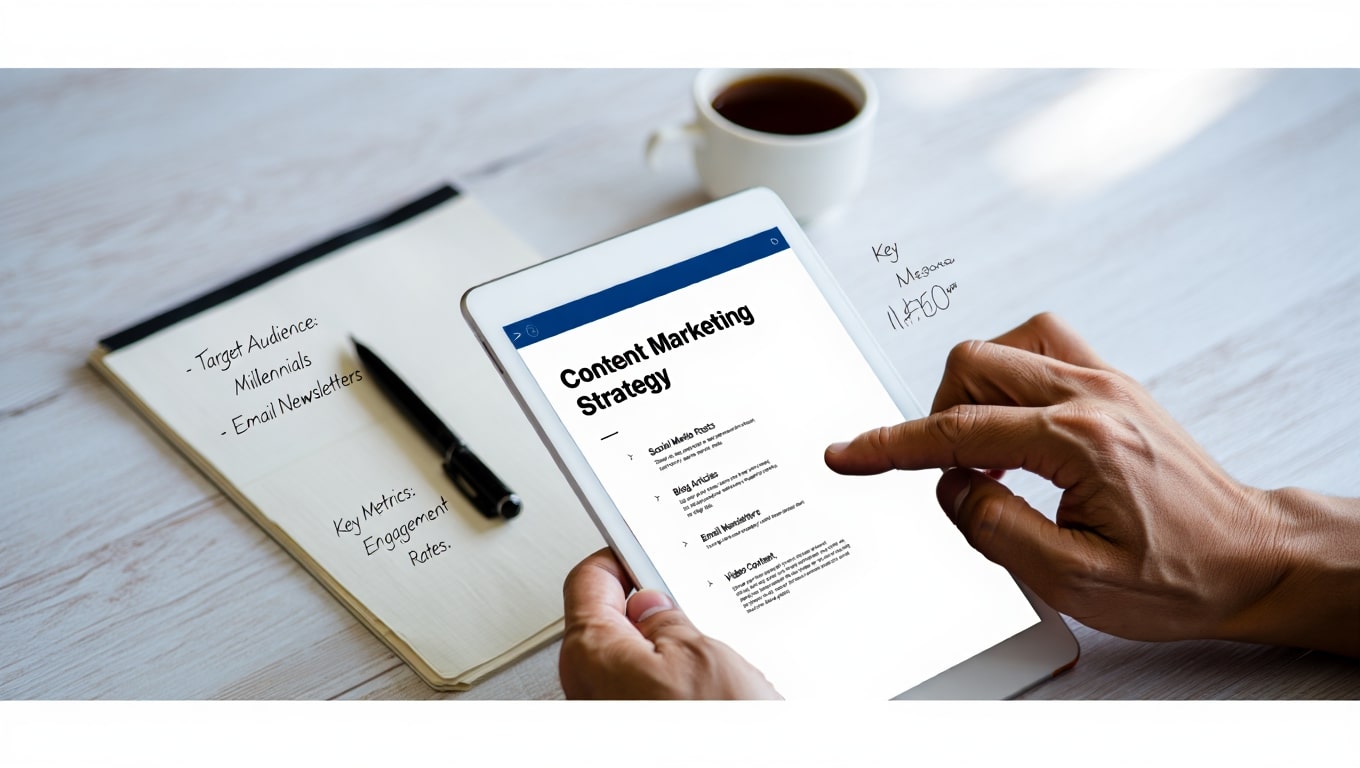
A robust content marketing strategy begins with understanding your audience: their pain points, interests, and preferred content formats. This knowledge informs the type of content you create and where you distribute it. Key elements of a content marketing strategy include:
- Audience Research: Identifying buyer personas and their journey.
- Content Planning: Developing a content calendar, brainstorming topics, and outlining content types.
- Content Creation: Producing high-quality, engaging content that resonates with your audience.
- Distribution: Sharing content across appropriate channels like blogs, social media, email newsletters, and third-party sites.
- Promotion: Using paid ads or organic reach to boost content visibility.
- Measurement and Optimization: Tracking performance metrics (traffic, engagement, conversions) and refining the strategy.
Examples of Content Marketing:
- Blog Posts and Articles: Informative pieces addressing common customer questions or industry trends.
- Videos: Tutorials, product demonstrations, behind-the-scenes content, or brand stories on platforms like YouTube or TikTok.
- Infographics: Visually appealing summaries of data or complex topics.
- E-books and Whitepapers: In-depth guides or research reports offering significant value.
- Podcasts: Audio content discussing industry insights, interviews, or narratives.
- Case Studies: Demonstrating how your product or service has helped real clients solve their problems.
Email Marketing Design Tips: What Really Drives Results
Email marketing remains one of the most effective digital channels for nurturing leads, driving sales, and building customer loyalty. However, its success heavily relies on compelling design and strategic content. A well-designed email goes beyond aesthetics; it guides the reader towards action and strengthens brand perception.
Firstly, mobile-friendliness is non-negotiable. The majority of emails are opened on mobile devices, so your design must be responsive, ensuring it looks great and functions perfectly on all screen sizes. Use a single-column layout, large readable fonts, and sufficient spacing between elements. Secondly, a clear and concise call-to-action (CTA) is paramount. Your CTA button should be prominent, use action-oriented language, and lead directly to the desired landing page.
Personalization and segmentation significantly boost engagement. Address recipients by name and tailor content based on their past behavior, preferences, or demographic data. This makes emails feel more relevant and less like generic mass communications. Use compelling visuals, but don’t overdo it; balance images with text to avoid emails being flagged as spam or loading slowly.
Finally, A/B test everything—subject lines, CTA button colors, content placement, and send times. Continuous testing provides invaluable data on what truly resonates with your audience, enabling iterative improvements that drive higher open rates, click-through rates, and conversions.
Growth Marketing vs. Demand Generation: Which Strategy Should You Focus On?
In the dynamic world of digital marketing, “Growth Marketing” and “Demand Generation” are two powerful strategies, often used interchangeably but with distinct focuses and objectives. Understanding their differences is key to determining which approach best suits your business’s current stage and goals.
Demand Generation primarily focuses on creating interest and awareness for your products or services. Its goal is to educate potential customers, stimulate curiosity, and build a pipeline of qualified leads for the sales team. This strategy typically targets the top and middle of the sales funnel, using tactics like content marketing, SEO, PPC, and webinars to attract new prospects and guide them toward conversion. The success of demand generation is often measured by lead volume, MQLs (Marketing Qualified Leads), and brand awareness metrics.
Growth Marketing, on the other hand, takes a more holistic, experimental, and data-driven approach, spanning the entire customer journey—from acquisition to activation, retention, revenue, and referral (AARRR funnel). While it includes demand generation, growth marketing emphasizes continuous experimentation and optimization across all touchpoints to identify scalable growth opportunities.
It focuses not just on acquiring customers, but on keeping them, growing their lifetime value, and turning them into advocates. Tactics include A/B testing, user experience optimization, personalization, and leveraging data for quick iterations.
Here’s a comparison:
| Feature | Demand Generation | Growth Marketing |
|---|---|---|
| Primary Goal | Create awareness and generate qualified leads. | Optimize the entire customer journey for sustainable growth. |
| Focus Area | Top and middle of the funnel (awareness, interest). | Entire funnel (acquisition, activation, retention, revenue, referral). |
| Key Metrics | Lead volume, MQLs, website traffic, and brand awareness. | Customer Lifetime Value (CLV), churn rate, retention, referral rates, and conversion rates at every stage. |
| Tactics Used | Content, SEO, PPC, webinars, PR, and email campaigns for lead nurturing. | A/B testing, UX optimization, personalization, viral loops, product marketing, data analysis, and demand generation tactics. |
| Time Horizon | Short to medium-term lead pipeline building. | Long-term, sustainable, exponential growth. |
Ultimately, both strategies are valuable. If your immediate need is to fill your sales pipeline with new prospects, focus on demand generation. If you’re looking for sustainable, exponential growth across the entire customer lifecycle and are willing to iterate rapidly, then growth marketing is your path. Many successful companies integrate elements of both.
How to Measure ROI from Digital Marketing Campaigns
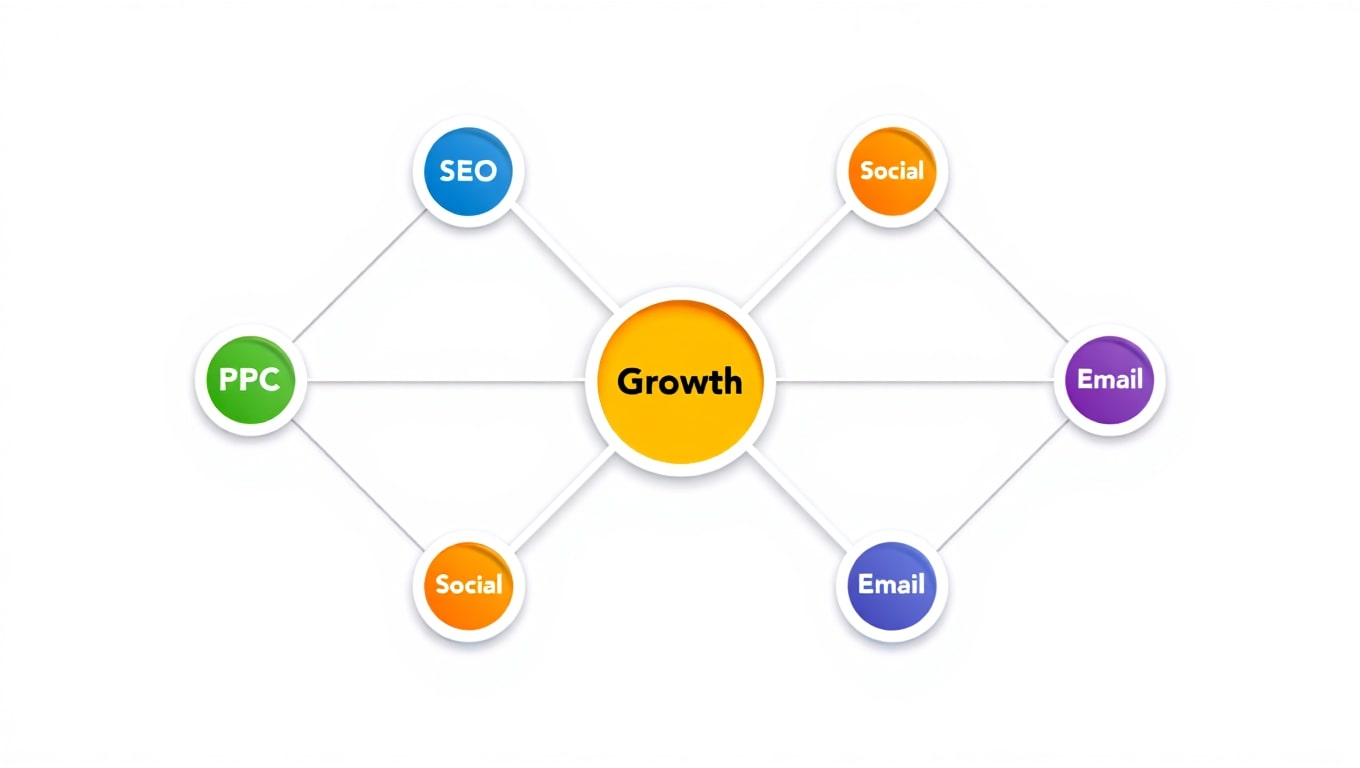
Measuring Return on Investment (ROI) from digital marketing campaigns is fundamental to understanding their effectiveness and justifying future expenditures. Without proper measurement, it’s impossible to optimize strategies, allocate budgets wisely, or prove the value of your marketing efforts. The key is to establish clear objectives and track relevant metrics from the outset.
The basic formula for ROI is straightforward: `(Revenue generated – Cost of marketing campaign) / Cost of marketing campaign * 100`. However, attributing revenue directly to specific digital touchpoints can be complex. Start by defining your Key Performance Indicators (KPIs) for each campaign. For an SEO campaign, KPIs might include organic traffic, keyword rankings, and organic conversions. For a PPC campaign, focus on click-through rates (CTR), cost per click (CPC), cost per acquisition (CPA), and conversion rates.
Leverage analytics tools like Google Analytics, marketing automation platforms, and CRM systems to collect comprehensive data. Implement conversion tracking on your website to monitor specific actions, such as form submissions, downloads, or purchases. Consider using attribution models (e.g., first-click, last-click, linear, time decay) to understand which touchpoints contribute most to a conversion.
Regular reporting and analysis are vital; they allow you to identify successful campaigns, pinpoint areas for improvement, and demonstrate the tangible impact of your digital marketing investment on your business’s bottom line.
Key to ROI: Define KPIs, track conversions, and analyze data consistently to optimize performance.
Digital Marketing Trends to Watch in the Current Year
The digital marketing landscape is constantly evolving, driven by technological advancements and shifting consumer behaviors. Staying abreast of the latest trends is crucial for businesses aiming to maintain a competitive edge and connect effectively with their audience. The current year promises several exciting developments that will shape marketing strategies.
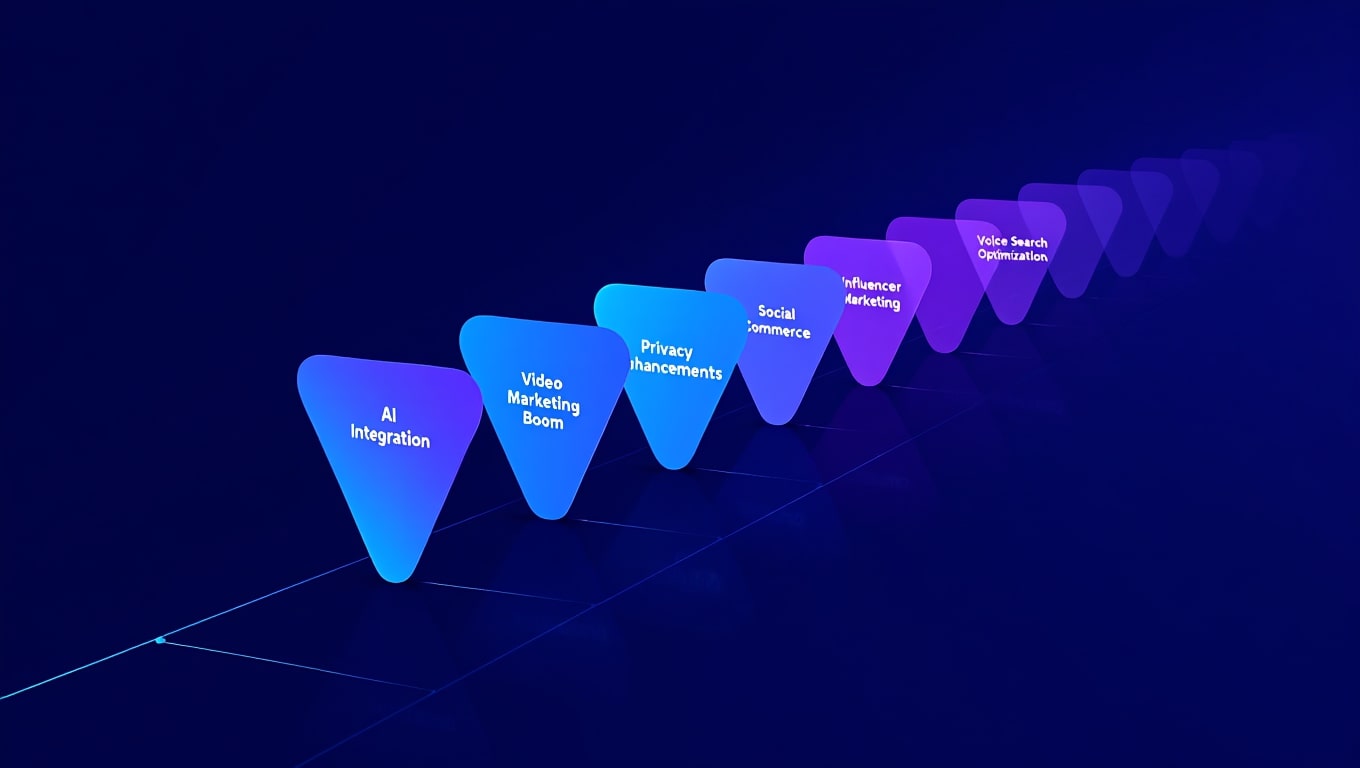
One of the most impactful trends is the accelerated adoption of Artificial Intelligence (AI) and Machine Learning (ML). AI is revolutionizing personalization, predictive analytics, content generation, and customer service through chatbots. Marketers are leveraging AI to deliver highly relevant experiences at scale, anticipate customer needs, and automate routine tasks, freeing up time for strategic planning.
Another dominant trend is the continued rise of short-form video content, primarily fueled by platforms like TikTok, Instagram Reels, and YouTube Shorts. Businesses are investing in engaging, bite-sized video narratives to capture attention quickly and build community. Parallel to this, experiential marketing and augmented reality (AR) are gaining traction, allowing brands to create immersive and interactive experiences that bridge the digital and physical worlds.
Privacy-first marketing and the importance of zero-party and first-party data are also critical. With increasing consumer concerns about data privacy and the deprecation of third-party cookies, marketers are focusing on transparent data collection and building direct relationships with customers.
Lastly, influencer marketing continues to mature, with a greater emphasis on micro- and nano-influencers who offer niche audiences and higher engagement rates, providing authentic recommendations and fostering trust. Adapting to these trends will be key for successful digital marketing companies and their clients.
FAQ About Digital Marketing Agencies
When considering partnering with a digital marketing agency, potential clients often have a multitude of questions. Here are some of the most frequently asked questions, providing clarity on common concerns.
- Q: What is the average cost of a digital marketing agency?
A: The cost varies significantly based on the agency’s expertise, the scope of services, the length of the contract, and your business’s size. Retainers can range from a few hundred dollars per month for basic services to tens of thousands for comprehensive, full-service solutions. Project-based fees and hourly rates are also common. - Q: How long does it take to see results from digital marketing?
A: Results vary by channel and strategy. PPC campaigns can yield immediate traffic and leads, often within weeks. SEO, content marketing, and brand building typically require 3-6 months to show significant, sustainable results. Long-term strategies often produce the most profound and lasting impact. - Q: Should I hire a full-service agency or a specialist agency?
A: A full-service agency offers a comprehensive, integrated approach across multiple channels, which is ideal if you need a complete overhaul or don’t have an in-house team. A specialist agency excels in one or two areas (e.g., only SEO or only PPC) and is better if you have specific, well-defined needs or an existing in-house team managing other aspects. - Q: How do agencies stay updated with digital marketing trends?
A: Reputable agencies invest heavily in continuous learning. This includes attending industry conferences, participating in webinars, subscribing to premium research, running internal R&D, and maintaining certifications with platforms like Google and Meta. They often have dedicated teams for market research and trend analysis. - Q: What should I look for in an agency’s reporting?
A: Look for clear, concise reports that go beyond raw data. Good reports explain what the data means, highlight key insights, show progress against your KPIs, and outline future recommendations. They should be transparent about successes and challenges and be delivered regularly (e.g., monthly). - Q: What is the importance of a strong client-agency relationship?
A: A strong relationship built on trust, open communication, and shared goals is paramount. It ensures that the agency fully understands your brand, objectives, and challenges, leading to more effective strategies and better results. Regular meetings and feedback are crucial for this.
Final Verdict: Selecting the Best Digital Marketing Partner
The journey to finding the Best digital marketing companies culminates in making an informed and strategic decision that aligns perfectly with your business ambitions. There isn’t a one-size-fits-all answer, as the “best” agency is ultimately the one that delivers the most value and achieves your specific objectives within your operational framework. It’s a significant investment, and the right partnership can unlock unprecedented growth and market advantage.
Recap your decision-making process by reflecting on the core components: clear goal definition, meticulous research into agency expertise and track record, an evaluation of their service offerings, and a thorough assessment of their cultural fit and communication style. Prioritize transparency, data-driven strategies, and an agency’s willingness to adapt and innovate alongside your business. The digital landscape is ever-changing, and a dynamic, forward-thinking partner is essential.
Ultimately, the most successful partnerships are built on mutual trust, clear expectations, and continuous collaboration. By carefully considering all the factors discussed in this guide, you can confidently select a digital marketing agency that not only meets your current needs but also helps you navigate future challenges and capitalize on emerging opportunities, propelling your brand towards sustained online success.
Related Category: Business Trends