In the dynamic world of sales and business growth, the Business Development Representative (BDR) plays an absolutely critical role. Often seen as the frontline of an organization’s outbound sales efforts, BDRs are responsible for identifying, qualifying, and engaging potential clients.
They act as vital bridges, connecting prospective customers with solutions that can address their specific needs.
This comprehensive guide will delve deep into the multifaceted role of a BDR, exploring everything from daily responsibilities and essential skills to career progression and salary expectations.
Whether you’re considering a career in business development or looking to hire top-tier talent, understanding the BDR function is paramount to driving consistent revenue growth. Let’s uncover the strategic importance and exciting opportunities that come with being a Business Development Representative.
What is a Business Development Representative (BDR)? – Role Definition
A Business Development Representative (BDR) is an entry-level sales role primarily focused on outbound lead generation and qualification. Their main objective is to initiate conversations with potential customers who may not yet be aware of a company’s products or services. BDRs are crucial in filling the sales pipeline by proactively seeking out new business opportunities.
Unlike Account Executives (AEs) who close deals, BDRs concentrate on the very first stages of the sales cycle. They are the initial point of contact, striving to understand a prospect’s challenges and determine if there’s a potential fit for their organization’s offerings. This role requires a unique blend of persistence, research acumen, and excellent communication skills.

What Does a BDR Do? – Key Responsibilities
The day-to-day life of a Business Development Representative is highly active and revolves around a set of core responsibilities designed to generate qualified leads. These activities are essential for maintaining a healthy and robust sales pipeline for the entire team. A BDR’s effectiveness directly impacts the success of the sales organization.
The primary goal of a BDR is not to close sales but to set up qualified meetings or demonstrations for Account Executives. This involves a strategic and systematic approach to outreach and engagement. Their success is typically measured by the number of high-quality meetings scheduled and the subsequent progression of those leads through the sales funnel.
- Prospect Research: Identifying target accounts and contacts using various tools and databases. This involves understanding company size, industry, pain points, and key decision-makers.
- Outbound Outreach: Executing multi-channel outreach campaigns via cold calling, personalized emails, and social selling (e.g., LinkedIn). The aim is to grab attention and spark initial interest.
- Lead Qualification: Engaging prospects in conversations to assess their needs, budget, authority, and timeline (BANT criteria or similar frameworks). This ensures that only genuinely interested and suitable leads are passed on.
- Meeting Scheduling: Successfully booking initial discovery calls, product demonstrations, or follow-up meetings for Account Executives. This is a primary metric of BDR success.
- CRM Management: Meticulously tracking all activities, communications, and lead progress within a Customer Relationship Management (CRM) system. Accurate data is vital for analytics and handover.
- Collaboration with Sales & Marketing: Working closely with marketing to understand campaign effectiveness and with AEs to refine ideal customer profiles and messaging. Feedback loops are crucial for continuous improvement.
Business Development Representative Job Description – Complete Overview
A typical Business Development Representative job description seeks individuals who are self-starters, highly motivated, and possess excellent communication skills. The role is challenging but incredibly rewarding for those looking to kickstart a career in sales or business development. Companies value candidates who are coachable, resilient, and eager to learn.
The BDR role is foundational for many organizations, especially those in SaaS (Software as a Service) and B2B (Business-to-Business) sectors. It offers a clear pathway for professional growth and provides invaluable experience in understanding market dynamics and customer needs.
Key Responsibilities and Duties:
- Conduct extensive research to identify and target potential customers within defined industries or verticals.
- Develop and execute outbound strategies across multiple channels to engage prospects.
- Personalize outreach messages to resonate with specific prospect pain points and business goals.
- Qualify leads thoroughly to ensure they meet the ideal customer profile before scheduling meetings.
- Maintain accurate and up-to-date records of all interactions and activities in the CRM system.
- Collaborate with Account Executives to ensure a smooth handover of qualified leads and provide insights.
- Continuously learn about industry trends, competitive landscape, and product offerings to enhance outreach effectiveness.
- Meet and exceed monthly and quarterly quotas for qualified meetings and pipeline generation.
Qualifications and Skills:
- Bachelor’s degree in Business, Marketing, or a related field (or equivalent practical experience).
- Strong desire to begin or advance a career in sales.
- Excellent verbal and written communication skills.
- Ability to conduct effective research and gather relevant information.
- High level of resilience, persistence, and ability to handle rejection.
- Familiarity with CRM software (e.g., Salesforce, HubSpot) is a plus.
- Proven time management and organizational abilities.
BDR vs. Sales Representative vs. Account Executive – Key Differences
Understanding the distinct roles within a sales team is crucial for appreciating the BDR’s specific contribution. While all these roles work towards revenue generation, their primary focus, responsibilities, and position in the sales funnel differ significantly. Each role builds upon the previous one, creating a systematic approach to customer acquisition.
The sales cycle is a complex process, and efficient handoffs between these specialized roles ensure that prospects receive the right attention at each stage. This specialization allows each individual to excel in their specific area of expertise, optimizing the overall sales performance.
| Role | Primary Focus | Key Responsibilities | Metrics of Success | Sales Cycle Stage |
|---|---|---|---|---|
| Business Development Representative (BDR) | Outbound prospecting & lead qualification | Research, cold outreach (email, calls, social), initial qualification, and meeting setting | Meetings booked, qualified leads generated, pipeline created | Top of Funnel (Awareness/Interest) |
| Sales Representative / Sales Development Representative (SDR) | Similar to BDR, it often covers inbound leads | Qualifying inbound inquiries, follow-ups, and initial outreach for both inbound/outbound | Meetings booked, qualified leads from inbound sources | Top to Mid Funnel (Interest/Consideration) |
| Account Executive (AE) | Closing deals and managing relationships | Conducting demos, negotiations, managing sales process, closing contracts | Revenue closed, quota attainment, average deal size | Mid to Bottom of Funnel (Consideration/Decision) |
Essential Skills for a Successful Business Development Representative
Success as a Business Development Representative hinges on a specific set of skills that enable effective communication, persistence, and strategic thinking. These abilities allow BDRs to navigate challenging conversations, manage rejection, and consistently generate new opportunities. Developing these competencies is key to thriving in the role.
Beyond natural aptitude, many of these skills can be honed through training, practice, and a commitment to continuous improvement. Companies often invest in coaching and resources to help their BDRs become masters of their craft, understanding that their foundational work impacts the entire sales ecosystem.
- Communication Skills (Verbal & Written): The ability to articulate value clearly and concisely, whether on a cold call or in a personalized email. Active listening is crucial for understanding prospects needs.
- Resilience & Persistence: BDRs face frequent rejection, making the ability to bounce back and maintain a positive attitude essential. Consistent follow-up demonstrates tenacity.
- Research Acumen: Proficiency in quickly gathering relevant information about companies and individuals to personalize outreach and qualify leads effectively.
- Time Management & Organization: Juggling multiple outreach campaigns, managing a high volume of prospects, and prioritizing tasks efficiently are vital for productivity.
- Active Listening: Understanding a prospect’s underlying needs, challenges, and goals, rather than just waiting for a turn to speak. This helps tailor conversations and build rapport.
- Adaptability: Being able to adjust messaging, strategies, and even daily routines based on feedback, market changes, or new insights.
- Technological Proficiency: Comfort with CRM systems, sales engagement platforms, and various prospecting tools is necessary for efficient workflow.
- Empathy: Understanding the prospect’s perspective and challenges, which helps in framing solutions that truly address their problems.

How to Become a Business Development Representative – Step-by-Step Guide
Embarking on a career as a Business Development Representative can be an exciting and rewarding path, especially for those with a strong desire to enter the sales field. It’s a role that prioritizes drive and potential over extensive prior experience, making it accessible to aspiring professionals. A structured approach can significantly boost your chances of landing your first BDR role.
While a degree is often preferred, many companies are increasingly open to candidates who demonstrate relevant skills and a genuine passion for sales, regardless of their academic background. Focus on building transferable skills and showcasing your commitment.
- Educate Yourself: While not always mandatory, a Bachelor’s degree in business, marketing, communications, or a related field can be beneficial. Alternatively, consider online courses or certifications in sales, marketing, or business development.
- Develop Core Skills: Actively work on improving your communication, research, time management, and resilience. Take on projects or volunteer roles that require these skills.
- Gain Relevant Experience: Look for internships, entry-level customer service roles, or any position that involves communication, problem-solving, or persuasion. This demonstrates your ability to interact with people and handle challenges.
- Network Strategically: Connect with BDRs, SDRs, and sales leaders on LinkedIn. Attend industry webinars or virtual events to learn and make connections. Informational interviews can provide invaluable insights.
- Tailor Your Resume and Cover Letter: Highlight transferable skills, achievements, and your enthusiasm for the BDR role. Research each company and customize your application to their specific needs.
- Prepare for Interviews: Be ready to discuss your motivation for sales, how you handle rejection, your research process, and your communication style. Practice mock calls or role-playing scenarios.
- Show Initiative: Demonstrate your proactivity by researching the company’s product, market, and even attempting to identify potential prospects during the interview process. This shows genuine interest and capability.
How to Prepare for a BDR Interview – Tips and Strategies
Preparing for a Business Development Representative interview requires more than just knowing your resume. It demands demonstrating your potential, showcasing your communication prowess, and proving your resilience. Interviewers want to see that you understand the challenges of the role and are eager to tackle them head-on.
A successful BDR interview often involves a combination of behavioral questions, situational role-playing, and your ability to articulate your understanding of the company and its market. Showcasing your personality and genuine enthusiasm can also set you apart from other candidates.
- Research the Company Thoroughly: Understand their product/service, target market, competitors, and recent news. Be able to articulate why you want to work *for them*.
- Understand the BDR Role: Be clear on what a BDR does and how it differs from other sales roles. Show that you grasp the outbound nature and qualification focus.
- Prepare for Behavioral Questions: Practice answering questions like “Tell me about a time you faced rejection,” “How do you handle pressure?”, or “Describe a time you persuaded someone.” Use the STAR method (Situation, Task, Action, Result).
- Practice Role-Playing: Many BDR interviews include a mock cold call or email exercise. Be ready to research a hypothetical prospect, craft a message, and deliver it confidently. Focus on asking qualifying questions.
- Showcase Your Research Skills: Be ready to explain your process for identifying potential leads or finding information about a company.
- Prepare Thoughtful Questions: Ask about the team culture, training programs, typical day, career progression, and how success is measured. This demonstrates your engagement and foresight.
- Demonstrate Enthusiasm and Coachability: Show genuine excitement for the role and the company. Be open to feedback during role-plays and express your willingness to learn and grow.

Business Development Representative Salary – What to Expect
The compensation for a Business Development Representative typically consists of a base salary plus commission, known as On-Target Earnings (OTE). This structure motivates BDRs to achieve and exceed their quotas for qualified meetings and pipeline generation. The earning potential can be significant for top performers.
Several factors influence a BDR’s salary, including location, company size, industry, and the candidate’s prior experience or relevant skills. Entry-level roles usually start with a lower base but offer strong commission potential as performance improves.
Key factors influencing BDR salary:
- Location: Major metropolitan areas with high demand for tech and sales talent (e.g., San Francisco, New York, Boston) typically offer higher salaries.
- Company Size and Industry: Larger, well-funded tech companies or those in high-growth industries may offer more competitive packages.
- Experience Level: While many BDR roles are entry-level, those with prior customer-facing experience or a proven track record of hitting targets may command a higher starting OTE.
- Commission Structure: The percentage of commission and how it’s calculated (e.g., per meeting booked, per qualified lead, per deal closed by AE) significantly impacts total earnings.
As a general guideline, a typical BDR OTE in North America can range from $50,000 to $90,000+ annually, with the base salary usually falling between $40,000 and $60,000. Exceptional performers can often exceed the on-target earnings, making it a very lucrative entry point into sales.
Career Outlook for Business Development Representatives – Future Prospects
The career outlook for Business Development Representatives remains incredibly strong, driven by the ongoing need for companies to generate new business and expand their market reach. In an increasingly competitive landscape, effective outbound prospecting is more critical than ever, ensuring a consistent demand for skilled BDRs. This role serves as a crucial engine for growth across various industries.
As businesses continue to rely on robust sales pipelines, the BDR position will only grow in importance. The skills learned in this role are highly transferable and valued, providing a solid foundation for diverse career paths within and beyond sales. It’s a role with inherent upward mobility and significant learning opportunities.
Strong Demand: Companies across sectors, particularly in technology (SaaS), healthcare, and financial services, consistently seek talented individuals to fill BDR roles. The emphasis on scalable, repeatable sales processes ensures a continuous need for lead generation specialists.
<nbsp;
Adaptability and Evolution: The tools and strategies for business development are constantly evolving, requiring BDRs to be lifelong learners. This adaptability ensures the role remains dynamic and relevant, incorporating new technologies like AI for prospecting and personalization.
Foundation for Leadership: The BDR role provides foundational experience in understanding business processes, customer needs, and sales methodologies. This knowledge is invaluable for aspiring sales leaders, marketing strategists, and even product developers.
Overall, the future looks bright for Business Development Representatives, offering ample opportunities for growth, learning, and significant career advancement.
Business Development Representative Career Progression – Growth Path
The Business Development Representative role is often considered a launchpad for a successful career in sales and beyond. The skills acquired—prospecting, communication, resilience, and business acumen—are highly transferable and valued across numerous departments. Most companies have a clearly defined career progression path for high-performing BDRs.
This structured growth path incentivizes BDRs to excel in their initial role, knowing that their hard work can lead to significant advancement and increased earning potential. It’s a testament to the value that companies place on cultivating internal talent and fostering continuous development.
- Junior BDR / BDR: The entry-level position where individuals learn the fundamentals of prospecting, outreach, and qualification. Focus is on mastering tools and meeting initial quotas.
- Senior BDR / Team Lead: After demonstrating consistent success, BDRs may advance to a senior role, potentially taking on mentorship responsibilities for new BDRs, helping with strategy, or managing a small segment of the BDR team.
- Account Executive (AE): This is the most common and coveted next step. AEs are responsible for owning the full sales cycle, conducting product demonstrations, negotiating deals, and ultimately closing sales. The experience gained as a BDR is invaluable for this transition.
- Sales Manager / Team Leader: Experienced AEs or Senior BDRs with leadership potential might move into management, overseeing a team of BDRs or AEs. This role focuses on coaching, strategy, and achieving team targets.
Next Career Moves for BDRs – Advancement Opportunities
While the path to Account Executive is the most common for successful BDRs, the foundational skills developed in this role open doors to a variety of other exciting career opportunities. The ability to understand customer needs, communicate value, and drive business growth is sought after in many different functions within a company.
These alternative career paths demonstrate the versatility of the BDR experience and highlight how it can serve as a robust platform for broader professional development. Exploring these options can lead to roles that align with individual strengths and long-term career aspirations beyond direct sales.
- Customer Success Manager (CSM): Leveraging a deep understanding of customer needs, BDRs can transition to CSM roles, focusing on customer retention, satisfaction, and growth within existing accounts.
- Sales Operations: BDRs understand the sales process intimately, making them excellent candidates for Sales Operations roles. Here, they can help optimize sales processes, analyze data, and implement new technologies to improve efficiency.
- Sales Enablement: In this role, BDRs can use their frontline experience to train new sales hires, develop sales playbooks, create effective messaging, and provide valuable resources to the sales team.
- Marketing Specialist: With their direct insights into customer pain points and effective messaging, BDRs can contribute significantly to marketing teams, especially in content creation, lead generation strategies, or product marketing.
- Product Management: A deep understanding of customer needs and market feedback, gained as a BDR, can be a valuable asset for a Product Manager focused on developing solutions that truly resonate with users.
- Recruitment/Talent Acquisition: The communication and interviewing skills developed as a BDR are highly transferable to recruiting, especially for sales roles where understanding the candidate’s potential for success is key.
How to Succeed as a BDR – Proven Strategies
Succeeding as a Business Development Representative requires more than just making calls; it demands a strategic mindset, relentless effort, and continuous self-improvement. The most effective BDRs are proactive, organized, and constantly refine their approach to outbound prospecting. Implementing proven strategies can significantly boost performance and lead to consistent goal attainment.
Focusing on these key areas will not only improve your immediate results but also build a strong foundation for your long-term career growth in sales. It’s about working smarter, staying resilient, and always learning from every interaction.
- Master Your Research: Before any outreach, invest time in thorough research of the prospect’s company, role, recent activities, and potential pain points. This enables truly personalized and relevant communication.
- Personalize Your Outreach: Avoid generic templates. Tailor every email, LinkedIn message, or cold call script to the individual prospect and their specific context. Highlight how your solution addresses *their* challenges.
- Embrace Multi-Channel Prospecting: Don’t rely on just one method. Combine cold calls, personalized emails, and strategic social selling (e.g., LinkedIn Sales Navigator) to maximize your chances of connecting.
- Perfect Your Opening Lines and Value Proposition: You have seconds to capture attention. Craft compelling, benefit-driven opening statements that clearly articulate potential value and spark curiosity.
- Develop Strong Qualifying Questions: Learn to ask open-ended questions that uncover needs, budget, authority, and timeline. The goal is to qualify, not to sell on the first call.
- Be Resilient and Learn from Rejection: Rejection is an inherent part of the role. View it as feedback, analyze what went wrong, and adjust your approach. A positive mindset is crucial.
- Master Follow-Up Cadences: Implement a systematic and persistent follow-up strategy. Most appointments are set after multiple touchpoints. Use sales engagement platforms to automate and track.
- Utilize Your CRM Effectively: Keep your CRM updated with every interaction, insight, and next step. This ensures accurate reporting, seamless handoffs to AEs, and helps you stay organized.
- Seek Feedback and Coaching: Regularly ask for feedback from your manager and Account Executives. Be open to coaching and actively work on improving your techniques.
- Continuously Learn: Stay updated on industry trends, sales methodologies, and product knowledge. Read sales books, listen to podcasts, and participate in webinars.
Top Tools and Technologies for Business Development Representatives
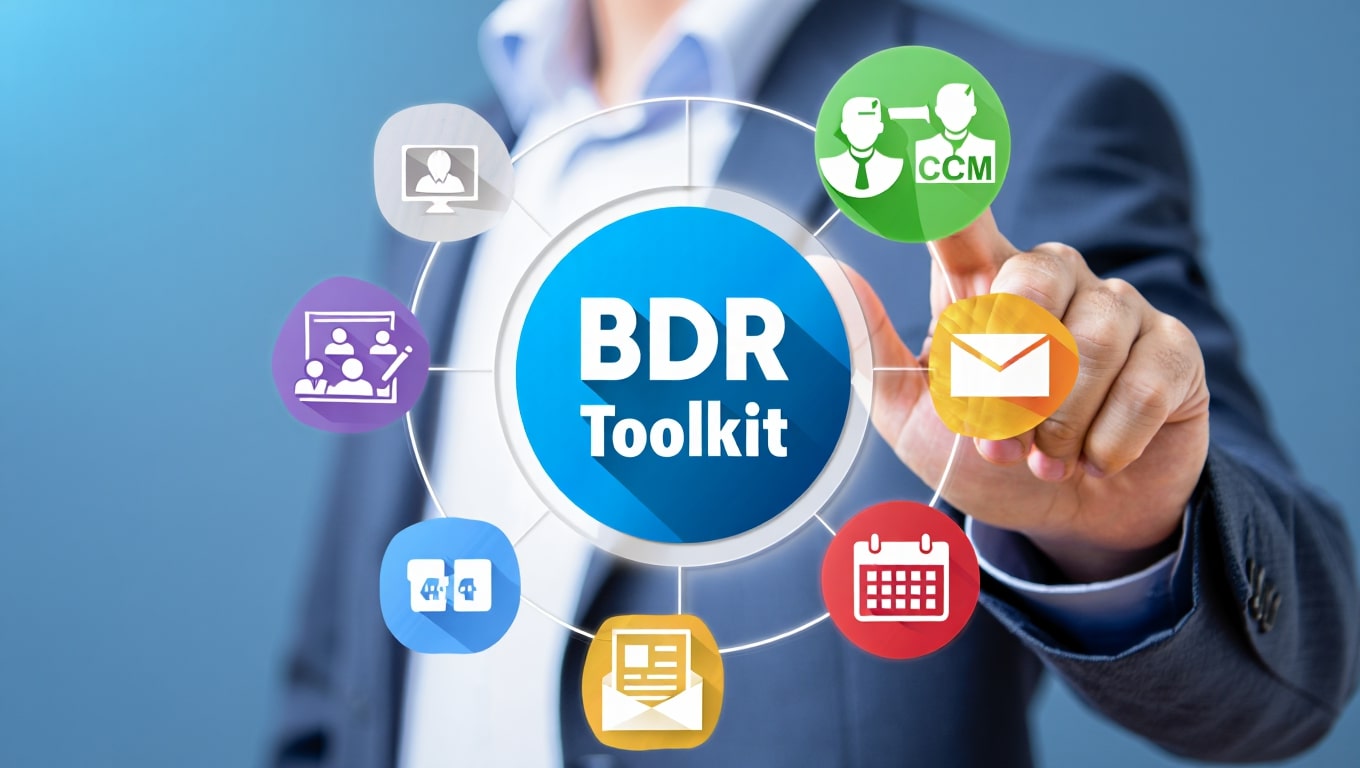
In today’s fast-paced sales environment, Business Development Representatives leverage a suite of powerful tools and technologies to maximize their efficiency and effectiveness. These platforms streamline workflows, automate repetitive tasks, provide critical data, and enhance personalization. Becoming proficient with these tools is a hallmark of a modern, high-performing BDR.
Investing in and mastering these technologies allows BDRs to spend more time on meaningful engagement and less on administrative burdens. They are indispensable for scaling outreach efforts and maintaining a competitive edge in outbound prospecting.
- Customer Relationship Management (CRM) Systems:
- Salesforce: The industry standard for managing customer data, tracking interactions, and forecasting.
- HubSpot CRM: Popular for its user-friendly interface and comprehensive suite of sales, marketing, and service tools.
- Pipedrive: Known for its visual pipeline management and focus on deal progression.
- Sales Engagement Platforms (SEPs):
- Salesloft: Automates email sequences, provides call coaching, and tracks engagement metrics.
- Outreach: Offers robust sequencing, call logging, and analytics to optimize multi-channel outreach.
- Prospecting and Data Enrichment Tools:
- LinkedIn Sales Navigator: Essential for identifying target accounts, finding decision-makers, and engaging in social selling.
- ZoomInfo: Provides extensive contact and company data, including email addresses, phone numbers, and company insights.
- Apollo.io: Combines a B2B database with sales engagement features for seamless prospecting.
- Lusha/Clearbit: Tools for finding verified email addresses and phone numbers.
- Communication & Scheduling Tools:
- Calendly/Chili Piper: For automated meeting scheduling, reducing back-and-forth emails.
- Gong.io/Chorus.ai: Conversation intelligence platforms that analyze sales calls for coaching and insights.
- Email & Productivity Tools:
- Gmail/Outlook Integrations: Seamless integration with sales tools for efficient email management.
- Grammarly: For ensuring clear, error-free written communication.
Frequently Asked Questions About BDRs
It’s common for individuals considering or interacting with the Business Development Representative role to have various questions. Addressing these frequently asked questions helps clarify the position’s nuances and provides practical insights into what it entails. Understanding these aspects can aid in career decisions and improve overall collaboration within sales teams.
Here are some common queries and their concise answers, designed to demystify the BDR role further.
Q: Is a BDR role a good entry point into sales?
A: Absolutely. The BDR role is widely recognized as one of the best entry points into a sales career. It provides fundamental training in prospecting, communication, and resilience, which are critical for advancement.
Q: How long do BDRs typically stay in the role?
A: The typical tenure for a BDR can vary, but it’s often 12-24 months. High performers might move to an Account Executive role sooner, while others may choose to specialize or transition to different departments.
Q: Is the BDR role stressful?
A: It can be. The role involves consistent rejection, high activity targets, and the pressure to meet quotas. However, it also offers immense satisfaction when targets are met, and valuable skills are developed to manage stress effectively.
Q: What’s the difference between a BDR and an SDR?
A: While often used interchangeably, BDRs traditionally focus on outbound prospecting (cold outreach), while SDRs may also handle inbound leads (responding to website inquiries, demo requests). The core responsibilities of qualifying and setting meetings are very similar.
Q: What makes a BDR successful?
A: Success in a BDR role comes from a combination of strong communication skills, relentless persistence, excellent research abilities, coachability, and the ability to maintain a positive attitude despite frequent rejection.
Q: Do BDRs make cold calls?
A: Yes, cold calling is a fundamental part of the BDR role. While modern BDRs also utilize email and social selling, direct phone outreach remains a highly effective way to connect with prospects.
Q: What kind of training can I expect as a BDR?
A: Most companies provide comprehensive training for new BDRs, covering product knowledge, sales methodologies, CRM usage, prospecting tools, and communication techniques. Ongoing coaching and mentorship are also common.
Is a Business Development Representative Role Right for You? – Final Verdict
Deciding if a Business Development Representative role is the right fit involves honest self-assessment of your skills, personality, and career aspirations. It’s a demanding but incredibly rewarding position that offers a direct path to professional growth and significant earning potential within the sales ecosystem. This role is not for everyone, but for the right individual, it’s a powerful launchpad.
If you thrive on challenge, enjoy connecting with new people, possess a strong work ethic, and are resilient in the face of setbacks, then a BDR role could be an excellent choice for you. It provides invaluable experience that forms the bedrock of a successful business career.
This role might be for you if you are:
- Highly motivated and goal-oriented.
- An excellent communicator, both verbally and in writing.
- Resilient and can handle rejection without losing momentum.
- Naturally curious and enjoy solving problems.
- Tech-savvy and comfortable learning new tools.
- Eager to learn and grow within a dynamic environment.
- Looking for a fast-paced career with clear progression.
Consider other options if you:
- Dislike cold calling or proactive outreach.
- They are easily discouraged by rejection.
- Prefer a more predictable, less target-driven environment.
- They are not comfortable with performance-based compensation structures.
Ultimately, the Business Development Representative role is a crucial stepping stone that builds character, hones essential business skills, and provides a clear pathway to advanced sales positions or other leadership opportunities. It’s a challenging yet immensely rewarding career choice for those ready to embrace the hustle and drive business growth.
In conclusion, the Business Development Representative is far more than just an entry-level sales position; it is the strategic heartbeat of a company’s growth engine. By mastering the art of outbound prospecting, lead qualification, and effective communication, BDRs not only fill the sales pipeline but also lay the groundwork for long-term customer relationships. Their dedication and resilience are critical for translating market potential into tangible business opportunities.
Understanding this role—its responsibilities, necessary skills, career trajectory, and the tools that empower it—is essential for anyone looking to enter the world of sales or for organizations striving to build high-performing revenue teams. The BDR role offers a robust foundation for a thriving career and promises continued relevance in an ever-evolving business landscape.
Related Category: Business Trends